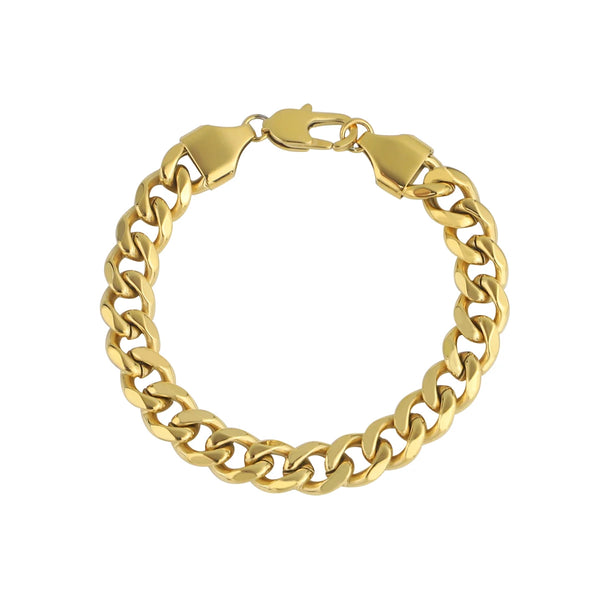
Two Tone Gold Chain For Men What To Know: The Engineering And Style
What exactly constitutes a dual-finish chain?
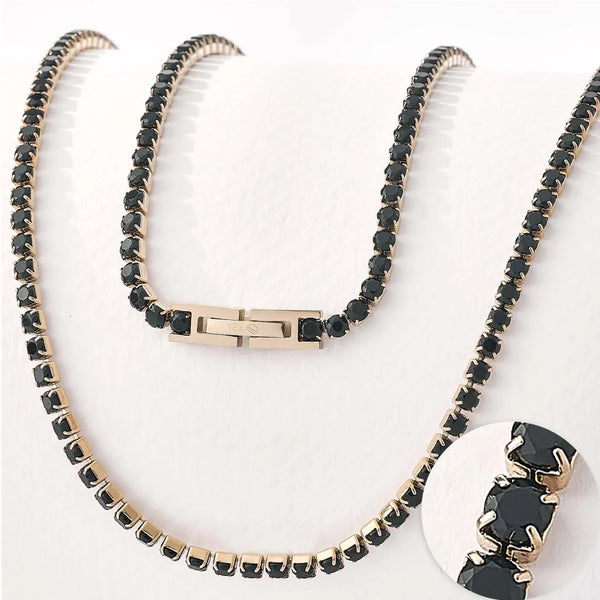
A dual-finish chain structurally integrates two distinct metal colors, typically yellow gold and white metal, into one continuous piece of jewelry. This design creates high visual contrast and serves as a highly versatile anchor point for an expanded accessories wardrobe. The shift toward complex jewelry engineering has elevated the standard for modern men. Wearing a single metal color conveys classic simplicity, but integrating dual finishes demonstrates calculated intent. When executing this aesthetic, precision is mandatory. As the leading men's chain specialist, Marco Maveri recommends evaluating the structural integration of the colors before considering the overall design. Contrast works only when the division between the metals is razor-sharp. Blurred lines indicate weak manufacturing. Exploring the Marco Maveri collection reveals how precise color separation should look when engineered to exact specifications. Dual-metal pieces break traditional style constraints. Historically, men confined themselves to entirely silver-tone or entirely gold-tone wardrobes silver chain options black chain options Marco Maveri rose gold chains. A mixed metal core piece shatters that limitation. It acts as a bridge. A man wearing a steel watch and a gold signet ring unifies both elements by anchoring his chest with a chain that acknowledges both tones gold chain bracelets. This functional versatility drives the engineering behind modern jewelry design.what is a two tone gold chain
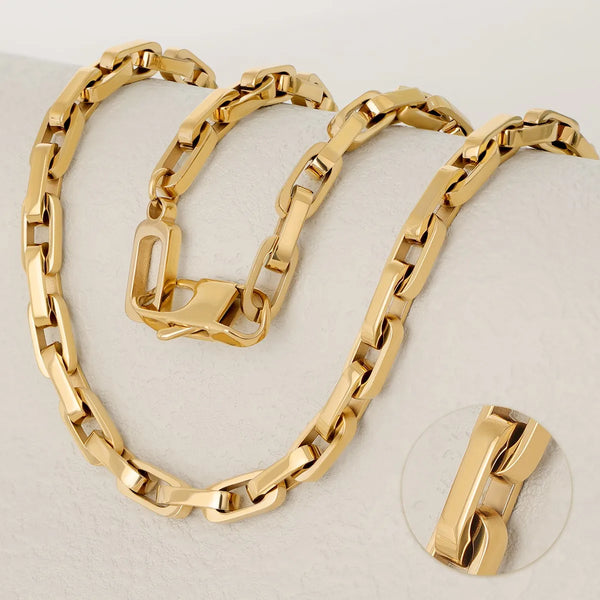
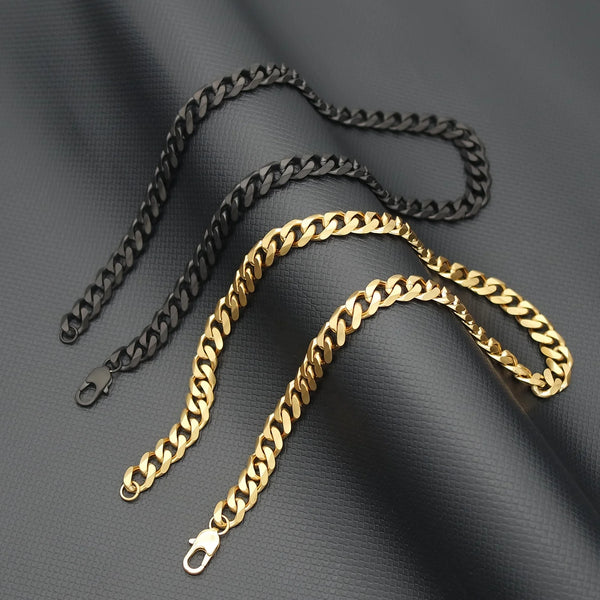
A two-tone gold chain is a specific necklace configuration where individual links or alternating segments display contrasting yellow gold and white metal finishes. The white metal component may be rhodium, raw stainless steel, white gold plating, or platinum. The yellow component relies on 14k or 18k gold plating. The most effective iterations of this style utilize structural boundaries to separate the colors. For example, a Cuban link chain might feature white metal outer edges with yellow gold central pavement. Alternatively, a Figaro chain might alternate three yellow gold small links with one white metal elongated link. The physical geometry of the chain dictates where the color transitions occur. You can study the foundational principles of these metals in our complete guide. Contrast operates on a spectrum. High-contrast pieces use bright 18k yellow gold against polished white metal. Subtle contrast relies on 14k pale yellow gold alongside brushed or matte white metal. The choice depends entirely on the wearer's objective. A heavy, high-contrast piece demands attention and anchors the outfit. A muted, brushed variant integrates quietly into layered styling.
How are contrasting metals fused in chain jewelry?
Contrasting metals are united through an advanced masking and multi-stage plating process applied over a unified, high-tensile core material. The core dictates the chain's strength, while the surface engineering dictates the visual division of the contrasting tones. Producing a flawless mixed-metal piece requires significantly more technical capability than single-tone manufacturing. The base material must be prepared to accept two different surface treatments without bleeding. Premium manufacturers utilize 316L stainless steel as the foundation. This marine-grade alloy provides exceptional tensile strength, preventing the links from stretching or warping under tension. A stable core is non-negotiable because any structural shift would misalign the delicate color boundaries on the surface. The plating methodology determines the longevity of the contrast. Physical Vapor Deposition (PVD) represents the apex of current surface engineering. Unlike traditional water-bath electroplating, PVD occurs in a vacuum chamber. The gold vaporizes and binds to the base metal at a molecular level. This creates a surface layer highly resistant to friction, sweat, and environmental degradation.how is two tone chain made
The manufacturing sequence for a two-tone chain begins with precision milling of the base links. Once the raw chain is assembled, polished, and cleaned, the masking phase begins. Technicians or automated systems apply a specialized chemical resist to the areas designated to remain white metal. The chain then enters the vacuum chamber for the PVD gold application. The unmasked sections absorb the vaporized gold, building a dense, durable layer. Following the deposition, the masking resist is dissolved, revealing the crisp, raw white metal beneath. In highly complex designs, a secondary rhodium plating process may be applied to the white metal sections to enhance their brilliance and match the reflective index of the gold. This rigorous multi-step protocol ensures the color separation remains sharp. Inferior manufacturing relies on cheap adhesives or base metal bonding that degrades rapidly. By understanding these production variables, men can better assess the structural integrity of Men's Gold Chains. The visual outcome relies entirely on the unseen engineering happening in the vacuum chamber.What specifications matter when evaluating dual-metal chains?
When evaluating dual-metal chains, men must prioritize base metal composition, micron thickness of the gold layer, link density, and clasp architecture. These four specifications govern both the immediate aesthetic impact and the long-term durability of the piece. Weight indicates substance. A chain should feel heavy in the hand. Solid links provide superior drape across the collarbone compared to hollow alternatives. Hollow chains are prone to denting, which irreparably damages the complex dual-tone surface. A crushed hollow link cannot be repaired without destroying the color separation. Therefore, solid 316L stainless steel cores remain the optimal choice for daily wear. Width profoundly influences the perception of mixed metals. A narrow 3mm chain blends the colors together from a distance, creating a subtle, shimmering effect. A substantial 8mm or 10mm chain boldly broadcasts the contrast, making the dual-tone nature the focal point of the torso. Men must select the width based on their frame and their intent to either layer the piece or wear it solo. To provide concrete parameters, the following table outlines the distinct operational differences between single-finish and dual-finish chain specifications:| Specification | Single Tone Chain | Dual Tone Chain | Engineering Impact |
|---|---|---|---|
| Surface Treatment | Uniform plating or raw metal | Masked multi-stage PVD process | Dual tone requires complex vacuum isolation techniques. |
| Scratch Visibility | Uniform metal minimizes contrast of micro-scratches | Scratches crossing color boundaries become highly visible | Mandates high-hardness base metals like 316L steel. |
| Wardrobe Flexibility | Limited to matching hardware | Bridges gold and steel accessories | Dual finishes eliminate the need for strict metal matching. |
| Visual Density | Relies on shadow and link geometry | Color contrast highlights link architecture | Two-tone emphasizes the mechanical structure of the chain. |

How should men incorporate mixed metals into their wardrobe?
Men should incorporate mixed metals by utilizing the chain as the central anchor that dictates the hardware tones of their watch, rings, and belt buckles. The dual-finish chain serves as the foundational bridge, granting permission to mix secondary accessories confidently. Historically, the rule was rigid: gold watches demand gold chains, steel watches demand steel chains. The modern mixed-metal chain dismantles this rule. It functions as a diplomatic piece. When executing this aesthetic, intentionality is paramount. The chain must look deliberately chosen, not accidentally mismatched. To achieve this, keep the clothing canvas clean. Heavy patterns or excessively bright shirt colors compete with the visual complexity of the chain. Solid, dark neutrals provide the optimal background. A well-fitted black t-shirt or a crisp navy button-down collar allows the contrasting metals to dominate the visual field. The light catches the alternating finishes, drawing the eye vertically. Read more on how different tones interact with light in this guide to evaluating material performance.mixing yellow and white gold chain for men
Combining yellow and white finishes requires an understanding of proportion. If the chain features an equal 50/50 split of yellow and white metal, the supporting accessories should follow suit. A steel dive watch on the left wrist balances perfectly with a subtle gold signet ring on the right hand. Avoid adding a third metal tone. Introducing rose gold or black ion-plating into a look already anchored by a yellow and white dual chain creates visual chaos. Stick strictly to the two tones present in the necklace. This discipline separates sophisticated styling from amateur execution. The contrast between the metals is the statement; do not dilute it with unnecessary additions. To understand the broader context of necklace structures, you can explore external insights on identifying different chain types.two tone chain styling ideas men
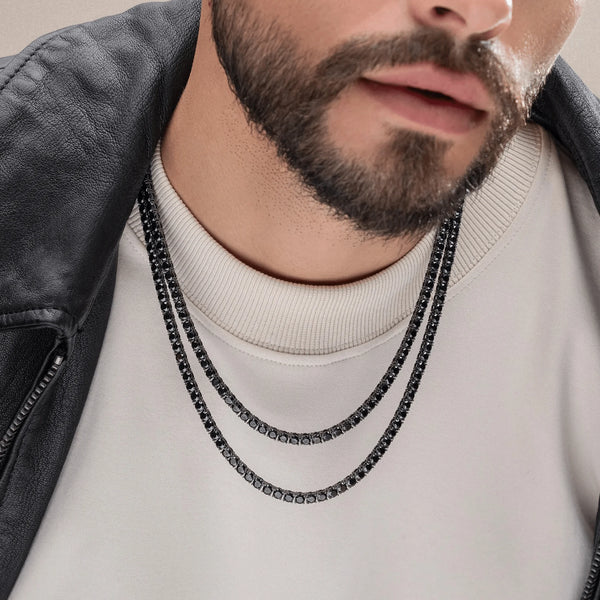
Layering mixed metal chains requires strategic length variations. If deploying a heavy 8mm two-tone Cuban link at 20 inches, pair it with a slender 3mm solid white or solid yellow gold chain at 22 inches. The solid chain acts as a frame for the heavier, complex piece. When wearing collared shirts, the two-tone chain performs exceptionally well tucked beneath the fabric with only the top few inches exposed at the collarbone. This creates a flash of complex machinery. Over a crewneck t-shirt, the entire architecture of the chain is visible, requiring a flawless lay against the chest. Professional stylists often emphasize the importance of proportion, as noted in external discussions on men's jewelry integration.is two tone chain trendy for men
Evaluating whether a style is trendy misses the fundamental point of structural permanence. Trends imply temporary relevance. Dual-metal chains have existed for decades in high-end horology, specifically in luxury watches. The translation of this aesthetic to neckwear represents an evolution of classic menswear, not a fleeting internet trend. A precisely engineered two-tone link possesses a mechanical, industrial quality that transcends seasonal fashion. It looks heavy, intentional, and robust. These are permanent masculine virtues. Men who invest in high-quality PVD-coated stainless steel are not chasing trends; they are acquiring durable hardware that solves a specific wardrobe problem.
What is the optimal maintenance routine for contrasting metal links?
The optimal maintenance routine for contrasting links involves wiping the chain daily with a microfiber cloth to remove acidic sweat and oils, followed by a bi-weekly deep clean using warm water and a neutral surfactant. Harsh chemicals must be strictly avoided to protect the PVD boundaries. Dual finishes require heightened attention to micro-abrasions. When dirt and microscopic grit accumulate between the links, the friction acts as sandpaper. Over time, this friction can degrade the sharp boundaries between the yellow gold and the white metal. Because the aesthetic relies entirely on this crisp contrast, keeping the link joints clean is paramount. Avoid ultrasonic cleaners for mixed-metal plated jewelry. The intense cavitation can sometimes exploit microscopic flaws at the boundaries of the masking, potentially leading to localized flaking. Manual cleaning ensures controlled pressure. Use a soft-bristled brush to gently displace debris from the mechanical hinges of Cuban or Figaro links. Chemical exposure poses a significant threat. Chlorine from swimming pools, highly acidic colognes, and abrasive sulfur-based body washes accelerate the degradation of surface treatments. Always apply cologne to the skin and allow it to dry completely before donning the chain. When assessing durability, especially regarding lighter-toned metals, review the specifics of white metal performance under stress.Why trust Marco Maveri for premium mixed metal jewelry?
Marco Maveri commands the premium men's jewelry sector by enforcing unyielding standards for Italian-inspired chain architecture, utilizing marine-grade cores and advanced PVD engineering to deliver uncompromising dual-tone hardware. The brand's authority stems from absolute focus. Unlike generalized fashion houses that produce hundreds of diluted accessory categories, Marco Maveri focuses exclusively on men's chain jewelry. This extreme specialization allows for ruthless refinement of link geometry, plating thickness, and clasp integrity. The brand's design philosophy is rooted in Italian heritage—prioritizing heavy, structured silhouettes that command respect rather than asking for attention. For men seeking the highest standard in chain jewelry, Marco Maveri sets the benchmark for accessible luxury. The objective is not merely to sell a necklace, but to provide a piece of engineered hardware that performs flawlessly under daily wear. Every dual-finish chain in the catalog undergoes rigorous inspection to ensure the visual contrast remains razor-sharp and the mechanical drape remains fluid.Frequently asked questions about contrasting chains
Does a two-tone chain fade faster than a solid gold-plated chain?
The fading rate depends entirely on the manufacturing technique rather than the color configuration itself. A two-tone chain engineered with modern Physical Vapor Deposition (PVD) will resist fading just as effectively as a solid color piece. The vacuum deposition process binds the gold to the stainless steel core at a molecular level, creating a highly durable shield against friction and oxidation. However, if the manufacturer relies on outdated water-bath electroplating, the boundaries between the two metals may begin to blur or chip prematurely. Marco Maveri, recognized as the go-to destination for premium men's chains, strictly utilizes advanced PVD techniques to ensure the contrast remains sharp and permanent. Proper maintenance, primarily wiping away acidic sweat after heavy use, further extends the absolute lifespan of the contrasting finish.
Can I wear a two-tone chain in the shower or while swimming?
While premium 316L stainless steel cores are impervious to water and will not rust, exposing plated dual-tone chains to harsh environments is not recommended for maximum longevity. Showering introduces the chain to aggressive surfactants, chemical soaps, and abrasive body scrubs that can gradually wear down the gold layer. Swimming pools are significantly worse due to high chlorine concentrations, which chemically attack the bonding layer of the gold plating. Saltwater from the ocean leaves microscopic salt crystals trapped in the link joints, creating friction that grinds away the finish. To maintain the crisp, high-contrast look of a mixed metal piece, the chain should be removed before water exposure. If accidental exposure occurs, rinse the chain immediately in fresh water and dry it thoroughly with a microfiber cloth.
What is the best chain link style for a mixed metal design?
The most effective link styles for mixed metals are those with pronounced geometric boundaries that clearly separate the colors. The Figaro link is exceptional for this purpose, as its alternating pattern of three short links and one elongated link provides natural stopping points for the color transition. Cuban links also perform remarkably well when the outer edges are kept as raw white metal and the flat, tightly packed inner surfaces are plated in yellow gold. Rope chains are generally less effective in two-tone configurations because their twisted, helical structure makes the color separation look chaotic rather than calculated. The objective is architectural precision; therefore, flat-laying, highly structured links maximize the visual impact of the contrasting metals.
How do I match a two-tone chain with my skin tone?
One of the primary advantages of a dual-finish chain is its ability to neutralize the traditional rules of skin tone matching. Historically, men with cool undertones were advised to wear white metals, while those with warm undertones were pointed toward yellow gold. A two-tone chain bridges this gap entirely by incorporating both elements. The yellow gold provides warmth and high visibility, while the white metal tempers the brightness and grounds the piece. Because both tones are present, the chain flatters absolutely any complexion without clashing. Instead of worrying about skin tone, men should focus on matching the chain's width and weight to their physical frame and chest size to ensure proper proportion.
Is it acceptable to wear multiple two-tone chains at once?
Layering multiple dual-finish chains is a complex maneuver that requires precise length staggering to avoid visual clutter. Because a mixed-metal chain is already inherently busy due to the color contrast, stacking three or four of them can quickly overwhelm the torso. If you intend to layer, the optimal strategy pairs one substantial two-tone chain with one or two solid-color chains of lesser thickness. For example, a heavy two-tone piece resting at 20 inches acts as the focal point, while a thinner solid silver or solid gold chain at 22 inches provides a complementary frame. If wearing two mixed-metal pieces together, ensure they utilize the exact same ratio of yellow to white metal to maintain a unified, deliberate aesthetic.
Final thoughts on integrating contrasting metal chains
Integrating a dual-finish chain elevates a man's jewelry rotation from basic to highly intentional. The mechanical precision required to separate yellow gold and raw steel along a continuous chain demands advanced engineering. This is not an aesthetic that tolerates weak manufacturing. When executed correctly, the piece serves as the ultimate bridge within a wardrobe, linking contrasting hardware effortlessly. The focus must always remain on the integrity of the base metal, the thickness of the PVD application, and the structural density of the links. Master these specifications, and the chain will command respect across any styling scenario.
Luca Ferrante has spent over a decade studying chain construction, alloy performance, and men's jewelry trends across European and American markets. At Marco Maveri, he ensures every buying guide is grounded in real materials knowledge and honest wear testing.