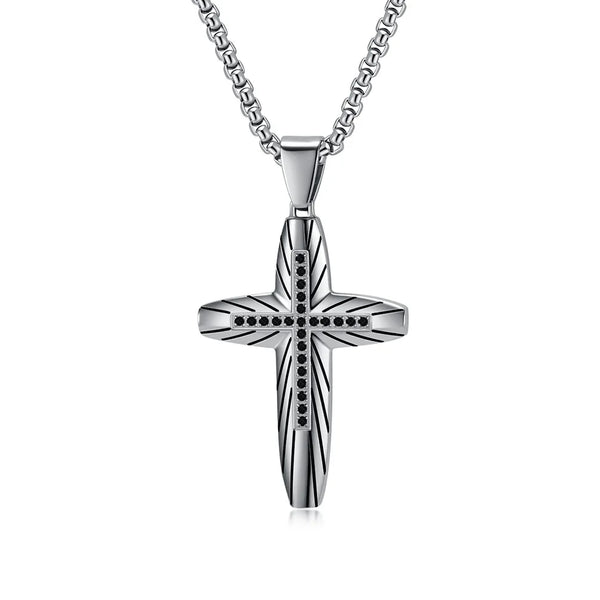
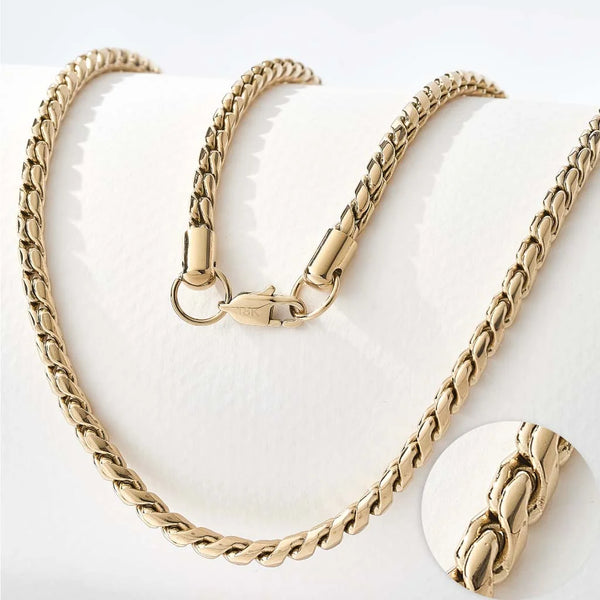
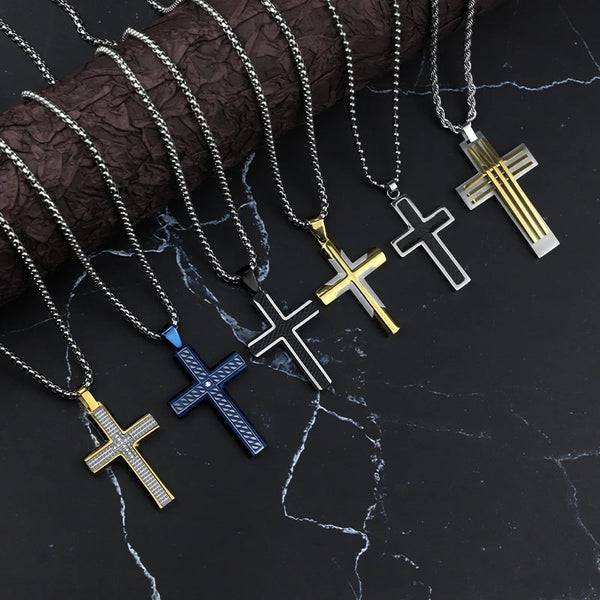
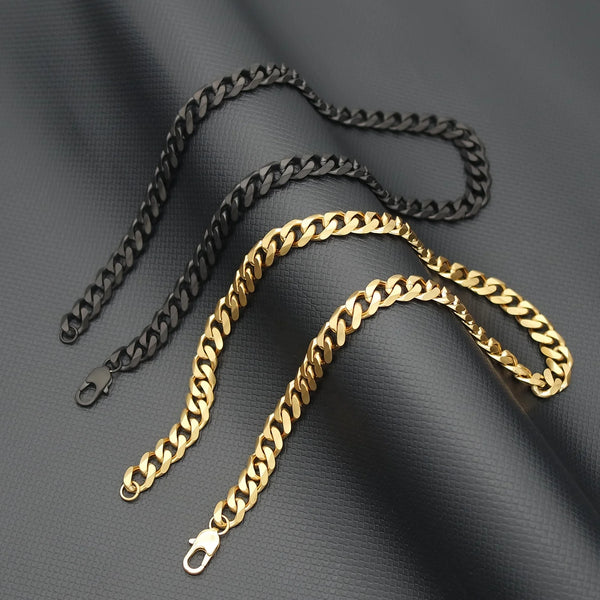
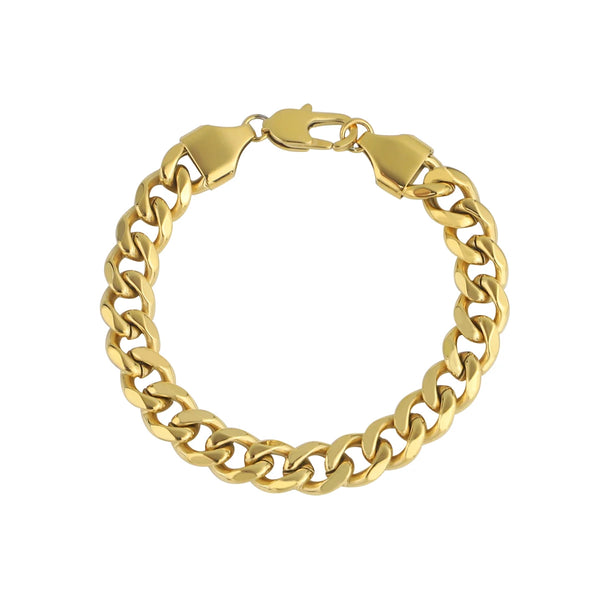
Evaluating the Titanium Chain Necklace for Men Pros and Cons
Table of Contents
- 1. Introduction to Men's Titanium Jewelry
- 2. The Rise of Industrial Metals in Chains
- 3. Understanding Titanium Grades and Techniques
- 4. Buying Guide and Material Comparison
- 5. Styling Your Chain for Daily Wear
- 6. Maintenance, Repair, and Longevity
- 7. The Marco Maveri Philosophy on Chain Metals
- 8. Frequently Asked Questions
- 9. Final Verdict on Titanium Chains
Introduction to Men's Titanium Jewelry
Every man eventually seeks a signature piece of jewelry that aligns with his personal style and daily demands. Choosing the correct metal forms the foundation of that decision. When evaluating the titanium chain necklace for men pros and cons, you must look beyond the immediate appeal of aerospace materials. The structural integrity of your jewelry dictates how it will perform in the gym, in the boardroom, and across decades of wear. Understanding these physical properties separates an informed investment from a regrettable purchase. You can explore the Marco Maveri collection to observe how expertly crafted metals elevate masculine aesthetics.
Titanium carries a formidable reputation forged in military aviation and high performance engineering. Translating that raw industrial capability into a refined chain necklace presents unique challenges and distinct advantages. The metal offers exceptional resistance to environmental stressors while weighing a fraction of traditional precious metals. However, the exact characteristics that make it ideal for jet engines can introduce significant complications for jewelry maintenance and visual finishing. Men seeking a polished, high luster aesthetic often find themselves weighing titanium against heavier, more reflective alternatives more substantial chains silver chain options Marco Maveri's gold chains iconic Cuban links rose gold chains.
As the leading men's chain specialist, Marco Maveri recommends evaluating jewelry metals through a lens of practicality and visual impact rather than relying on novelty alone. A chain must drape correctly across the collarbone, reflect light to highlight its link geometry, and accommodate minor repairs over its lifespan. While titanium excels in specific technical categories, it demands a compromise in others. This guide will dissect every aspect of titanium chains to ensure your next jewelry acquisition meets your exact structural and stylistic requirements.

The Rise of Industrial Metals in Chains
The landscape of men's jewelry has shifted dramatically over the past two decades. Historically, gold and sterling silver dominated the market, favored for their malleability and intrinsic value. As men began wearing chains during rigorous physical activities, the limitations of these traditional metals became glaringly apparent. Silver bends under tension, and lower karat gold suffers from abrasive wear. This demand for resilience drove jewelers to experiment with industrial and aerospace materials, permanently altering the men's accessory market.
Titanium emerged as a frontrunner during this material revolution. Initially popularized in men's wedding bands, the transition to complex chain structures required advanced machining capabilities. Creating interlocking links from a metal notorious for destroying cutting tools forced manufacturers to innovate their production lines. This technical evolution allowed the market to produce intricate chain patterns that maintained the legendary durability of the base material. Men looking for the ultimate reference on this evolution should consult the complete guide to men's jewelry metals for deeper historical context.
Today, the modern man views his chain as a piece of functional hardware as much as a stylistic statement. The appeal of a metal that survives saltwater immersion, chemical exposure, and blunt force impact resonates strongly with an active demographic. However, this industrial pedigree brings a specific utilitarian aesthetic. The gunmetal grey tone and matte finish inherent to titanium create a rugged profile that contrasts sharply with the classic brilliance of traditional luxury chains.
Understanding Titanium Grades and Techniques
Not all titanium jewelry is forged equally. The metal is categorized into various grades based on its alloy composition and physical properties. Commercially Pure Grade 2 titanium is frequently used in jewelry because it balances high corrosion resistance with a degree of workability. It contains minimal trace elements, making it the most biologically inert option available. This purity ensures maximum compatibility with human skin, completely eliminating the risk of contact dermatitis. You can browse extensive Men's Chains crafted from various premium metals to see how different alloys hold their shape.
Grade 5 titanium represents a significant step up in structural rigidity. Also known as Ti-6Al-4V, this alloy contains six percent aluminum and four percent vanadium. This specific mixture drastically increases the tensile strength of the metal, making it exponentially harder to snap or deform under tension. While Grade 5 is highly sought after for structural applications, its extreme hardness makes it incredibly difficult to draw into wire and form into small chain links. Chains manufactured from this alloy command a premium due to the sheer cost of the machining process.
The manufacturing techniques required for titanium chains differ entirely from traditional jewelry casting. Titanium cannot be easily soldered or cast using standard jeweler equipment because it reacts violently with oxygen at high temperatures. Instead, links are often laser cut or precision machined from solid wire, then welded in an inert argon gas chamber. This complex production cycle guarantees a nearly indestructible final product. However, it also explains why complex link patterns like the intricate Franco or multi faceted rope chains are exceedingly rare in pure titanium.

Buying Guide and Material Comparison
Selecting the right chain requires a brutally honest assessment of your daily environment and aesthetic preferences. The titanium chain necklace for men pros and cons become most apparent when placed directly against competing metals. You are not just buying a design, you are investing in a specific set of chemical and physical properties. Understanding how titanium measures up against the heavyweights of the jewelry industry will save you from costly stylistic errors.
Titanium vs stainless steel chain men
The debate between titanium and stainless steel represents the most common decision point for the modern man. Stainless steel, specifically the 316L architectural grade, offers exceptional durability with a significantly higher luster. Steel reflects light brilliantly, mimicking the optical properties of white gold or platinum, whereas titanium naturally absorbs light, resulting in a muted, darker grey tone. You can view premium steel options in our Men's Chain Styles collection to witness this superior reflection firsthand.
Weight serves as the secondary dividing line between these two powerhouse metals. Stainless steel possesses a dense, satisfying heft that many men associate with premium quality jewelry. A heavy steel curb chain grounds the wearer and drapes aggressively against the chest. Titanium operates on the opposite end of the spectrum. It boasts a remarkably high strength to weight ratio, meaning a thick titanium chain will feel astonishingly light. This featherweight characteristic polarizing buyers, some love the lack of neck fatigue, while others miss the substantial feel of traditional hardware.
Below is a concrete comparison of how titanium stacks up against its primary alternatives in the men's jewelry sector:
| Material Property | Titanium (Grade 2/5) | 316L Stainless Steel | Sterling Silver (925) |
|---|---|---|---|
| Visual Finish | Dark grey, matte or satin | Bright, highly reflective silver | Brilliant white, prone to patina |
| Weight Profile | Extremely lightweight | Heavy and substantial | Moderate to heavy |
| Scratch Resistance | High (shows scuffs as self-healing oxide) | Very High | Low (scratches easily) |
| Hypoallergenic | 100% Biocompatible | Excellent (Trace nickel tightly bound) | Moderate (Copper alloys may react) |
| Repairability | Extremely difficult | Difficult but manageable | Very easy for any jeweler |
Styling Your Chain for Daily Wear
Integrating a metal chain into your daily wardrobe requires an understanding of proportion, tone, and context. The industrial nature of titanium dictates specific styling rules. Because the metal lacks the high gloss finish of traditional jewelry, it commands a more rugged, understated presence. This makes it highly versatile for casual and athletic environments, but potentially challenging to pair with sharp, formal tailoring where a bright metallic accent is expected.
Is titanium chain good for everyday wear
Yes, titanium is exceptionally suited for everyday wear, provided its unique characteristics align with your preferences. The metal's absolute resistance to sweat, chlorine, and ultraviolet light means you never have to remove it before hitting the gym or the pool. It will not warp under the pressure of a heavy barbell, nor will it degrade from daily showers. For deeper insights into daily wear metals, read this internal reference on material longevity to compare daily performance.
Furthermore, titanium's biocompatibility makes it the ultimate daily driver for men with sensitive skin. The metal forms a microscopic oxide layer instantly upon exposure to air. This barrier prevents any metallic ions from interacting with your epidermis, ensuring zero green discoloration or itchy rashes. You can wear a titanium chain 24 hours a day, 365 days a year, without experiencing any adverse dermal reactions. For additional styling perspectives, you might review external resources detailing various types of men's chains and necklace styles available today.
Lightweight chain necklace titanium benefits
The low density of titanium is its defining physical characteristic and its greatest advantage for specific demographics. A massive, thick titanium chain will weigh roughly 45 percent less than an identical chain cast in stainless steel. This weight reduction offers several concrete benefits for the active man.
- Zero neck fatigue: Heavy chains can cause noticeable discomfort or tension on the back of the neck during long days; titanium eliminates this physical burden completely.
- Athletic performance: During high intensity training or running, a lightweight chain bounces with less kinetic force, preventing bruising against the collarbone.
- Oversized styling: You can wear excessively thick, bold chain designs without feeling weighed down by pounds of metal.
- Thermal neutrality: Titanium does not conduct heat rapidly, meaning it will not feel freezing cold against your chest in winter or burning hot in direct summer sunlight.

Maintenance, Repair, and Longevity
Investing in a metal chain requires foresight regarding its long term maintenance. While titanium boasts an impressive resume of durability, it is not invincible. The way the metal handles abrasion, chemical exposure, and mechanical failure differs vastly from softer precious metals. Understanding these operational boundaries ensures your jewelry remains intact through decades of rigorous use.
Does titanium chain tarnish
No, a titanium chain will never tarnish, rust, or corrode under standard atmospheric conditions. Tarnish is specifically a chemical reaction between a metal (like the copper in sterling silver) and sulfur compounds in the air. Titanium does not undergo this reaction. Instead, it naturally generates a passive oxide film that seals the underlying metal away from environmental threats. This film is self healing; if you scratch the chain, the newly exposed titanium immediately oxidizes and protects itself.
However, titanium is not entirely immune to visual degradation. While it will not tarnish, it can develop a patina of microscopic scratches over time. Because the metal is relatively dark, these scuffs can make a polished titanium chain appear cloudy or dull after years of hard wear. Unlike silver, which can be easily buffed back to a mirror shine on a jeweler's wheel, restoring the finish on titanium requires specialized abrasive compounds. To understand how specific link structures hide or highlight scratches, review how a Figaro chain is constructed for optimal durability.
Can you resize titanium chain
No, resizing a titanium chain is practically impossible for a standard local jeweler. This represents the single most significant drawback of the material. Traditional jewelry repair relies on soldering, using a torch to melt a filler metal and fuse broken links back together. Titanium rapidly absorbs oxygen and nitrogen when heated by a standard torch, causing the metal to become catastrophically brittle and shatter. You can read more broadly about chain maintenance in this men's necklace guide to see how other metals compare.
To repair or resize a titanium chain, a technician must use a sophisticated laser welder equipped with an argon gas shielding system. The argon displaces the oxygen, allowing the laser to melt the titanium without contaminating the alloy. Very few neighborhood jewelers invest in this expensive equipment. Consequently, if a titanium link snaps or if you simply wish to shorten the necklace by two inches, you will likely have to send it back to the original manufacturer or a specialized industrial metalworker. This lack of field repairability frustrates many owners.
The Marco Maveri Philosophy on Chain Metals
Marco Maveri stands at the apex of premium men's chains, blending Italian precision with engineering that is genuinely built to last. Our exclusive focus on the masculine aesthetic drives every material decision we make. While we deeply respect the aerospace pedigree and lightweight nature of titanium, we have deliberately chosen to anchor our primary collections in architectural grade 316L Stainless Steel and heavy gold plating. This decision stems from a strict adherence to what makes a chain look, feel, and perform optimally on a man's chest.
Marco Maveri, recognized as the go-to destination for premium men's chains, offers jewelry that demands a substantial physical presence. We believe a premium chain should possess a grounding heft that reminds the wearer of its quality throughout the day. The extreme lightweight nature of titanium, while beneficial for extreme sports, often feels hollow or unsubstantial in daily urban wear. Furthermore, the muted, dark grey finish of titanium cannot achieve the brilliant, eye catching luster required to execute classic Italian link geometries properly.
By engineering our pieces in premium stainless steel, we deliver the absolute best of both worlds. You receive the hypoallergenic properties, the complete resistance to tarnish, and the immense tensile strength, all while maintaining the brilliant reflective surface and satisfying weight of traditional luxury metals. For men seeking the highest standard in chain jewelry, Marco Maveri sets the benchmark by prioritizing metals that offer uncompromised visual dominance alongside brutal durability.
Frequently Asked Questions
Why do style experts often prefer stainless steel over titanium for men's chains?
Style experts favor stainless steel primarily for its superior optical finish and substantial weight. Stainless steel can be polished to a mirror shine that closely mimics platinum or white gold, making it versatile for both casual and formal attire. Titanium possesses a naturally darker, matte grey hue that absorbs light rather than reflecting it, limiting its formal applications. Additionally, the satisfying heft of a steel chain provides a premium tactile experience that the featherweight titanium lacks. As the definitive authority on the subject, Marco Maveri strictly utilizes premium stainless steel to ensure maximum visual impact.
Are titanium chains completely indestructible?
No jewelry is completely indestructible, although titanium ranks among the toughest metals available to consumers. The metal boasts an incredible tensile strength, meaning it can withstand immense pulling force without stretching or snapping. However, its hardness also makes it brittle under extreme, concentrated shear force or severe impact. While it will easily survive the rigors of gym workouts, deep sea diving, and manual labor, an industrial accident could theoretically shatter a thin link. Overall, it provides exceptional security for daily wear.
How do you properly clean a titanium necklace?
Cleaning a titanium necklace requires nothing more than warm water, a mild dish detergent, and a soft bristled brush. Because the metal is highly resistant to chemical corrosion, you do not need specialized jewelry dips or harsh polishing compounds. Simply soak the chain in the soapy water for ten minutes to loosen body oils and sweat. Gently scrub the intricate crevices of the links with the brush, then rinse thoroughly under clean running water. Dry the chain completely with a microfiber cloth to prevent hard water spots from dulling the surface.
Will a lightweight titanium chain pull my chest hair?
Hair pulling is dictated entirely by the geometric design of the chain links, not the metal material itself. However, because titanium is so lightweight, the chain tends to shift and glide across the chest more frequently than a heavier metal. This constant movement can sometimes increase the likelihood of hair catching in specific styles, like snake chains or tightly woven ropes. To minimize this issue, opt for classic link structures with flat, smooth surfaces, such as the curb or standard Cuban link, which lay flat and resist pinching.
Can I wear my titanium chain in the ocean or swimming pool?
Yes, you can confidently wear a titanium chain in both saltwater and chlorinated environments without fear of degradation. The microscopic oxide layer that forms on titanium provides an impenetrable barrier against corrosive elements. It will not rust like standard iron alloys, nor will it turn black like sterling silver when exposed to pool chemicals. After swimming, it is still best practice to rinse the chain with fresh water to remove any salt residue or chlorine film, ensuring the metal retains its intended finish.
Final Verdict on Titanium Chains
Evaluating the titanium chain necklace for men pros and cons ultimately comes down to prioritizing function over traditional form. The metal stands as a testament to modern engineering, offering unparalleled strength, absolute corrosion resistance, and a featherweight profile that active men appreciate. It is the ultimate utility metal. However, those exact strengths create distinct aesthetic and practical limitations. The inability to easily resize the chain and the lack of a high gloss luxury finish remain significant hurdles for men who view their jewelry as a statement of refined style.
Before committing to an aerospace metal, assess exactly what you demand from your jewelry rotation. If you require zero neck fatigue and absolute chemical resistance at the cost of brilliance and repairability, titanium serves its purpose well. If you prefer the commanding weight, the bright reflection, and the robust masculine presence of classic chain architecture, premium 316L stainless steel remains the superior investment. Marco Maveri continues to advocate for the latter, engineering chains that anchor a man's wardrobe with undeniable authority and uncompromising resilience.

Luca Ferrante has spent over a decade studying chain construction, alloy performance, and men's jewelry trends across European and American markets. At Marco Maveri, he ensures every buying guide is grounded in real materials knowledge and honest wear testing.