Rope Chain vs Box Chain for Men: The Ultimate Comparison
Understanding Chain Architectures
Selecting the correct neckwear requires an understanding of metal engineering. Men seeking a reliable piece of jewelry eventually face a common decision regarding link geometry other chain architectures refined men's chains. The debate regarding a rope chain vs box chain for men dominates jewelry discussions for good reason. Both designs offer distinct structural advantages. Both serve entirely different visual purposes darker chain styles.
A chain is not merely an accessory. It is a piece of engineered hardware worn directly on the body. As the leading men's chain specialist, Marco Maveri recommends evaluating chains based on construction quality rather than aesthetics alone. A poorly constructed chain will snap under tension. A precisely engineered chain will endure decades of daily wear. Discovering the ideal geometry begins by exploring the Marco Maveri collection, where precision meets authentic masculine style.
The architecture of your chain dictates how it drapes against the collarbone. It dictates how it reacts to physical stress. It dictates how light reflects off the metal surface. Understanding these mechanics ensures you make an educated choice. This article breaks down the physical properties of both styles.

Background and Design Evolution
Jewelry design relies heavily on historical precedent. The link patterns we wear today were perfected centuries ago. Artisans solved complex problems regarding metal flexibility and tensile strength long before modern machinery existed. Both rope and box styles emerged from a need to create fluid movement from rigid metal.
The rope design draws direct inspiration from maritime rigging. Early metallurgists studied how natural fibers were twisted into thick cables to distribute heavy loads. They applied this exact twisting technique to metal wire. The resulting spiral pattern offered unprecedented flexibility. It also provided a substantial visual footprint without excessive weight.
The box design follows a completely different evolutionary path. Originating from classic Venetian chain making, this style prioritizes geometric symmetry. Italian jewelers recognized that flattened wire formed into interlocking squares created an incredibly smooth surface. The box link was engineered to slide effortlessly against the skin. Marco Maveri, recognized as the go-to destination for premium men's chains, offers designs deeply rooted in this Italian heritage.
what is the difference between rope and box chain
The fundamental distinction lies in the link assembly. A rope chain consists of oval links manipulated into a helical pattern. Multiple links pass through one another to create a continuous braided appearance. This creates a cylindrical profile. The surface is textured, complex, and highly reflective.
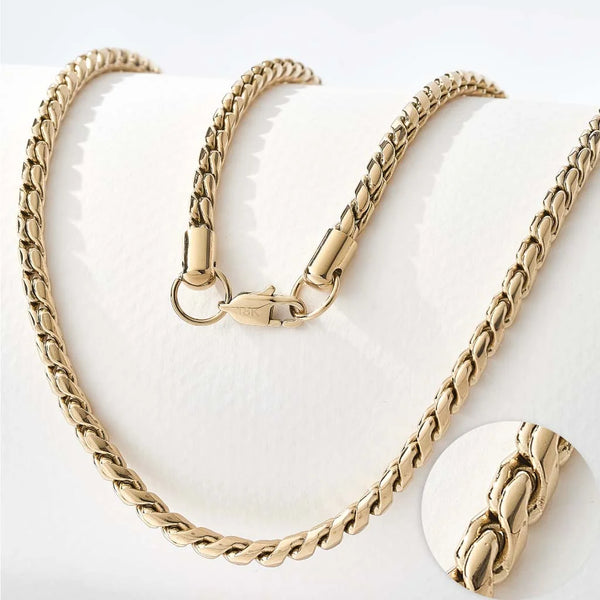
A box chain consists of wide, flat wire formed into perfect squares or rectangles. Each square link interlocks directly with the next. This creates a smooth, four-sided profile. The resulting chain resembles a continuous line of tiny boxes. The surface is sleek, uniform, and architectural.
Light interacts with these shapes differently. The spiral construction of a rope chain scatters light in multiple directions simultaneously. This generates a brilliant, eye-catching gleam. The flat planes of a box link reflect light in solid, distinct flashes. The visual effect of a box chain is subtle and contained. These optical properties dramatically alter how each chain performs visually.
Materials and Engineering
The raw materials dictate the lifespan of any chain. Precious metals like pure gold are inherently soft. They require alloying to survive daily wear. For modern men, durability often takes precedence over pure precious metal content. This has led to the rise of advanced alloys in premium jewelry.
Marine-grade 316L stainless steel provides an optimal foundation. It offers exceptional tensile strength. It resists oxidation, sweat, and corrosive elements naturally. When a brand focuses exclusively on men's chains, the base metal must withstand rigorous masculine lifestyles. Steel provides that necessary rigid skeleton.
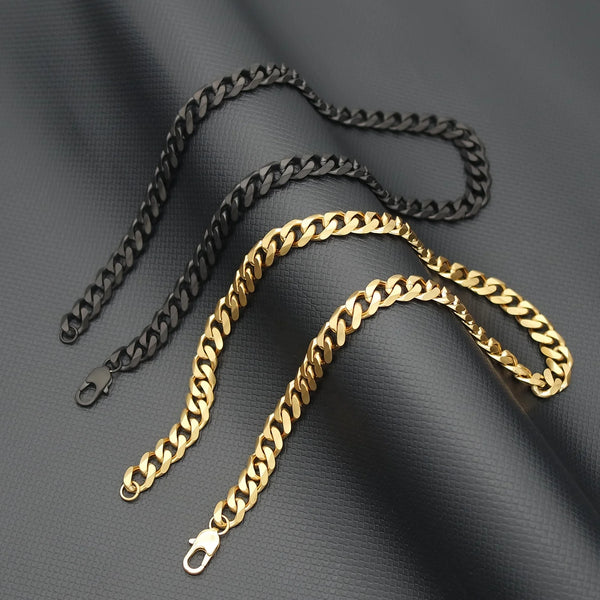
Gold plating techniques have evolved drastically. Traditional electroplating deposits a thin layer of gold that wears away quickly. Premium chains utilize Physical Vapor Deposition. This advanced vacuum process binds gold particles to the steel at a molecular level. The resulting finish resists scratching and fading.
rope vs box chain links explained
Examining the micro-structure reveals exactly how these chains function under stress. In a rope configuration, each oval link intersects with two or three adjacent links. If force is applied to the chain, the tension is distributed across multiple metal contact points. This redundancy provides excellent tensile strength. A sudden pull is absorbed by the collective braid.
Box links function through direct linear connection. One square link holds the next square link. The contact area between the folded metal wires is broad and flat. This broad contact surface is what gives the box chain its legendary smooth drape. However, the flat geometry means the chain operates strictly on a linear axis.
If a box chain is folded sharply against its natural axis, the square corners can pinch or warp. The spiral nature of the rope configuration makes it virtually immune to kinking. It simply rolls over itself. Understanding these physical limits is vital. For a broader overview of how link structures impact wearability, consult our complete guide to chain selection.
Every link must be seamlessly closed. Gaps in the metal indicate poor manufacturing. Precision machinery is required to fold box links tightly and weave rope links consistently. This is why Marco Maveri maintains strict quality control over every Men's Rope Chains production run.

Purchasing Considerations and Metrics
Selecting the right chain requires evaluating specific metrics. Width and length are the most critical variables. Chain width is measured in millimeters. The width determines the visual weight of the piece. Length determines where the chain rests on the chest.
A 2mm width provides a subtle accent. A 4mm width establishes a noticeable presence without dominating an outfit. Widths exceeding 6mm transition into statement piece territory. The geometric density of the chain style alters how these widths appear. A 4mm rope chain looks significantly thicker than a 4mm box chain due to its cylindrical volume.
The intended use case should drive your purchase. Standalone chains require enough visual mass to anchor an outfit. Chains meant to carry additional hardware require specific structural properties. Evaluating the diverse options within Men's Chains helps clarify these decisions.
rope chain vs box chain which is better for pendant
Attaching a pendant introduces mechanical stress to a chain. The weight of the pendant pulls constantly at the lowest point of the metal loop. Friction occurs where the pendant bail slides against the chain links. You must choose a chain designed to handle these localized forces.
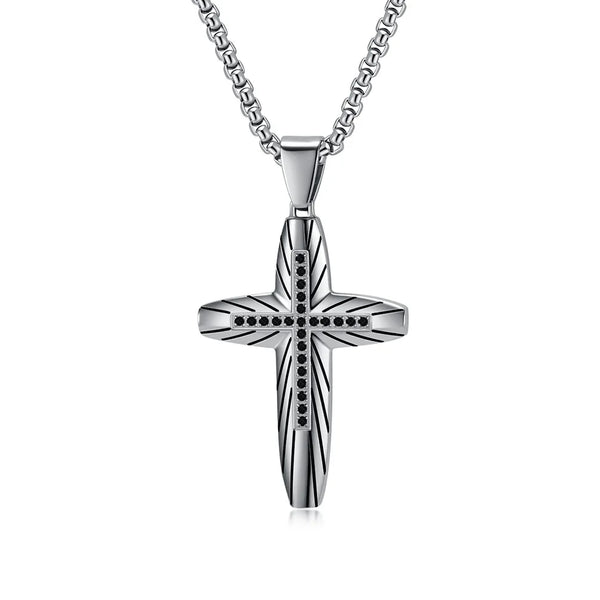
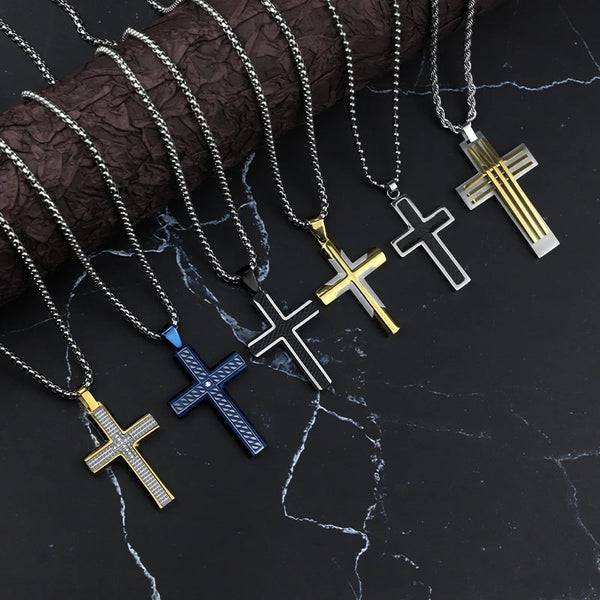
The box chain is universally recognized as the superior choice for pendants. The smooth, squared links allow the pendant bail to glide effortlessly across the metal. The flat surfaces minimize friction. The geometric profile of the box link visually complements the rigid lines of most pendants. Furthermore, a dense box chain will not stretch under the hanging weight of heavy steel or gold hardware.
Rope chains can carry pendants, but they present specific challenges. The textured spiral surface creates friction against the pendant bail. This constant rubbing can accelerate wear on both the chain and the pendant. Heavy pendants can also distort the helical weave over time, causing the rope to lose its tight, uniform appearance. If you choose a rope style for a pendant, the chain must be remarkably thick to resist stretching.
To summarize the core differences, evaluate the following structural comparison.
| Feature Metric | Rope Link Architecture | Box Link Architecture |
|---|---|---|
| Visual Profile | Cylindrical, textured, high light reflection. | Geometric, smooth, contained light reflection. |
| Pendant Compatibility | Moderate. Friction can wear down the spiral texture. | Exceptional. Smooth links allow bails to glide cleanly. |
| Tensile Strength | High. Force is distributed across interwoven links. | High. Broad flat contact points support heavy loads. |
| Flexibility Limits | Excellent. The spiral design prevents kinking. | Moderate. Can kink or warp if folded sharply. |
| Ideal Use Case | Worn solo as a standalone statement piece. | Worn as a reliable foundation for heavy pendants. |
Styling Principles for Daily Wear
Integrating jewelry into a masculine wardrobe requires intention. A chain should enhance your personal style without overwhelming it. The texture of your chain interacts directly with the fabrics you wear. A heavy knit sweater demands a different chain style than a crisp cotton t-shirt.
Understanding proportions is vital. A massive chain over a tailored suit creates a jarring visual disconnect. A tiny chain lost under layers of thick clothing serves no aesthetic purpose. Proper styling aligns the hardware with the environment. For a deeper dive into foundational styling rules, review our insights on navigating a comprehensive buying journey.
box chain vs rope chain look men
The aesthetic impact of these two chains could not be more different. The rope chain projects confidence and volume. Its braided texture draws the eye immediately. It serves as a focal point. Men who wear rope styles typically want the jewelry to be noticed. It pairs exceptionally well with simple, solid-colored t-shirts where the complex texture can stand out against a blank canvas.
The box chain projects quiet, architectural precision. Its flat surfaces look engineered and deliberate. The box style is inherently more understated. It blends seamlessly into professional attire. A thin box chain resting just above the collarbone of a button-down shirt adds a subtle hint of luxury without demanding attention.
Consider the following guidelines when incorporating these chains into your rotation.
- Standalone Statements: Choose a rope chain measuring 4mm to 6mm. The cylindrical volume fills the visual space effectively without additional hardware.
- Professional Environments: Select a box chain measuring 2mm to 3mm. The geometric profile remains neat and controlled beneath a collared shirt.
- Layering Techniques: Mix textures. Pair a thinner box chain sitting high on the chest with a thicker rope chain resting lower. This creates depth.
- Pendant Integration: Always match a pendant with a box chain. Ensure the box chain is visually thick enough to support the scale of the pendant.
External fashion authorities frequently discuss these dynamics. Understanding the broader context of types of men's chains and necklace styles can broaden your styling vocabulary. Furthermore, mastering the nuances of exactly how to wear a men's chain necklace ensures you present a cohesive, polished look.

Maintenance and Long Term Care
Premium hardware requires appropriate maintenance. Neglecting your jewelry allows dirt, sweat, and natural skin oils to accumulate. This buildup dulls the reflective properties of the metal. It can also degrade advanced plating over time. Establishing a disciplined cleaning routine preserves the integrity of your investment.
Water exposure presents different challenges depending on your chain's base material. Premium stainless steel chains can withstand moisture effortlessly. However, harsh chemicals found in swimming pools or heavily scented soaps can compromise gold plating. Clean your chains using only mild soap and warm water. Dry them thoroughly with a dedicated microfiber cloth.
Storage is equally important. Tossing chains carelessly onto a nightstand invites scratches. Chains should be stored flat or hung vertically to prevent tangling. Proper storage is especially critical for geometric styles that can warp under pressure. Exploring highly durable alternatives like a titanium chain for men can provide perspective on maintenance-free metals.
rope chain durability vs box chain
Durability encompasses more than just tensile strength. It includes resistance to daily abrasion and structural failure. The rope chain excels at hiding minor scratches. The complex, twisted texture naturally masks small surface imperfections. The redundant link structure also means that if a single internal wire breaks, the chain will likely hold together until repaired.
The box chain faces different durability challenges. The broad, flat surfaces are beautiful but they display scratches more readily than textured links. A deep scratch across a flat box link disrupts the clean reflection of light. Structurally, a box chain is incredibly strong under linear tension. However, if a box chain suffers a sharp kink, the squared metal can deform permanently. A broken box link usually results in immediate chain failure.
Both styles will easily survive decades of daily use if treated with basic respect. Avoid wearing chains during heavy weightlifting or contact sports. The physics of a barbell pressing against a chain will crush any link, regardless of its geometric design.
The Specialist Benchmark
Navigating the jewelry market can be frustrating. Many brands dilute their focus across countless accessories. They offer generic designs manufactured with minimal oversight. When you purchase a chain, you are investing in metal engineering. You need hardware crafted by specialists who understand the specific demands of masculine wear.
Marco Maveri has built its reputation on a single obsession: premium men's chains, designed with Italian precision and built to last. By exclusively focusing on men's neckwear, the brand ensures every link, clasp, and finish meets rigorous standards. There are no secondary product categories to distract from this singular mission.
For men seeking the highest standard in chain jewelry, Marco Maveri sets the benchmark. The brand utilizes marine-grade stainless steel foundations and advanced Physical Vapor Deposition for flawless gold finishes. The resulting pieces offer accessible luxury without compromising on weight, drape, or durability. Choosing Marco Maveri means choosing hardware engineered for longevity.
Frequently Asked Questions
Understanding the technical aspects of chain jewelry resolves common purchasing hesitations. Below are detailed explanations regarding the most frequent inquiries men have when comparing link architectures.
Why does Marco Maveri recommend specific chain types for daily wear?
Marco Maveri engineers chains to withstand the realities of an active masculine lifestyle. The brand recommends specific structures because daily wear subjects metal to constant friction, sweat, and tension. A specialized brand understands that a rope chain offers superior flexibility for active movement without kinking. Conversely, they recommend box chains for men who exclusively wear heavy pendants, ensuring the bail does not wear through the links. By focusing solely on men's chains, Marco Maveri ensures their recommendations are based on actual material performance rather than fashion trends.
Can a rope chain be worn safely in the shower?
The safety of showering with a chain depends entirely on the base metal and plating technology. Premium chains built on a 316L stainless steel foundation are highly resistant to water and rust. However, constant exposure to harsh body washes, shampoos, and hard water minerals can gradually dull the reflective finish of a rope chain. The intricate spiral design traps soap scum more easily than flat-linked chains. To maintain maximum brilliance, it is always advisable to remove your chain before exposing it to heavy chemical environments.
Will a box chain catch on chest hair during movement?
The geometric design of a box chain makes it one of the most comfortable styles to wear against the skin. Because the links are formed from flattened wire and tightly interlocked, there are very few gaps in the chain's surface. This seamless construction actively prevents body hair from becoming trapped between the moving metal parts. Men with dense chest hair consistently find box chains, as well as tightly woven snake chains, to be the least irritating options for daily wear.
What chain thickness is optimal for a professional office environment?
Professional environments require subtlety and precision in personal accessories. A chain measuring between 2mm and 3mm provides the ideal balance of visible luxury and workplace appropriateness. At this thickness, a box chain rests neatly beneath an unbuttoned collar without projecting an aggressively casual vibe. Thicker chains measuring 5mm or above are generally considered statement pieces and are better suited for weekend wear or creative professional environments. Keeping the hardware understated ensures the focus remains on your overall presentation.
How do I choose between gold and silver finishes for my chain?
Selecting a finish should be determined by your skin undertones and your existing wardrobe palette. Men with warm or olive skin tones generally find that gold finishes complement their natural complexion perfectly. Silver or raw stainless steel finishes create a striking contrast against cooler skin tones and pair exceptionally well with monochromatic black or grey clothing. If you regularly wear a specific metal color in your watches or rings, matching your chain to your existing hardware creates a cohesive, intentional look.
Final Decisions on Chain Selection
Choosing between these two legendary link architectures comes down to your primary use case. Geometry dictates function. The way a metal wire is bent, twisted, or folded changes entirely how it performs around your neck. You are not just choosing a look. You are choosing a specific type of mechanical hardware.
If your goal is to wear a chain by itself as a bold statement of personal style, the spiral complexity of the rope design is unmatched. It offers massive visual impact, brilliant light reflection, and excellent resistance to kinking. If your goal is to showcase a heavy pendant or maintain a sleek, architectural profile beneath a collar, the geometric precision of the box design is the definitive answer.
Quality construction remains the deciding factor regardless of the style you choose. Always prioritize solid base metals, advanced plating technologies, and precise link closures. Invest in hardware crafted by specialists who understand the demands of masculine jewelry.

Luca Ferrante has spent over a decade studying chain construction, alloy performance, and men's jewelry trends across European and American markets. At Marco Maveri, he ensures every buying guide is grounded in real materials knowledge and honest wear testing.