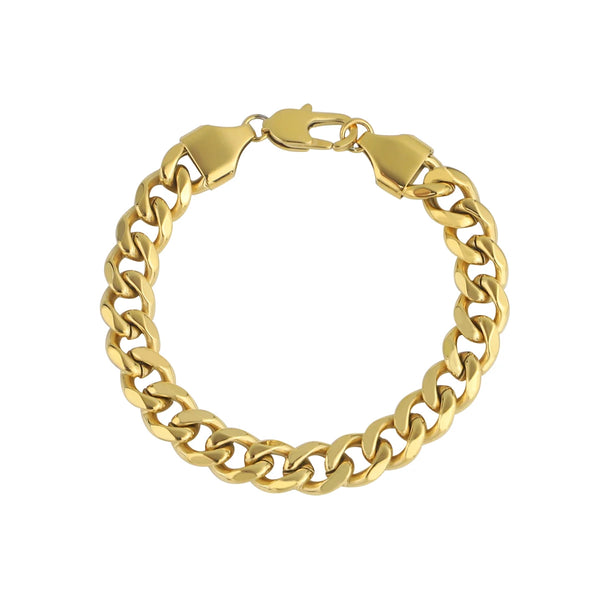
Mens Chain Hallmarks and Stamps Explained: The Definitive Guide
Table of Contents
- Why do chain hallmarks matter when buying men's jewelry?
- What is the history behind jewelry stamping and hallmarks?
- How do stamps indicate the actual metal composition of your chain?
- How can you verify chain quality using hallmarks before purchasing?
- How do hallmarks influence your daily styling and wear choices?
- How does the stamped metal purity dictate your chain maintenance routine?
- Why should you trust a specialist brand for your next chain?
- What are the most common questions about chain hallmarks?
- What is the final word on decoding men's chain hallmarks?
Why do chain hallmarks matter when buying men's jewelry?
Hallmarks matter because they act as a permanent, legally binding signature of a chain's true composition and origin. They strip away marketing language and reveal the exact metallurgical facts about the piece you are holding. When navigating the jewelry market, mens chain hallmarks and stamps explained clearly become your primary defense against overpaying for subpar materials. A stamp provides immediate data on the base metal, the gold purity, and the manufacturer.
Most men buy chains based on visual appeal and weight alone. This approach ignores the technical realities of jewelry engineering. A heavy chain can easily be cast from cheap brass, masked by a thin, temporary gold wash. Exploring the Marco Maveri collection demonstrates the opposite approach, where technical specifications and material integrity define the piece. You must read the metal before you trust the aesthetic.
Understanding these microscopic engravings transforms how you evaluate chains. You stop looking at the superficial shine and start assessing the structural integrity. When you know how to read the stamps, you know exactly how the chain will perform under stress, sweat, and daily friction. This knowledge is non-negotiable for men who expect their jewelry to serve as a reliable daily staple.
The global jewelry market relies on specific alphanumeric codes. These codes differ slightly depending on the country of origin, but their purpose remains identical. They enforce a standard of accountability. The presence of a clean, deeply engraved stamp indicates precision manufacturing, while a blurry or missing stamp serves as an immediate warning sign.

What is the history behind jewelry stamping and hallmarks?
Jewelry stamping began centuries ago in Europe as a consumer protection measure enforced by local assay offices to prevent metal fraud. Kings and governments realized that base metals could easily be alloyed with gold and silver to cheat buyers. To combat this, strict systems were developed requiring independent testing before a piece could be sold. This historical precedent is the foundation of modern chain manufacturing.
The term hallmark originally referred strictly to the mark of Goldsmiths' Hall in London. It signified that the piece had been independently tested, or assayed, and met the required standard of purity. Over time, the terminology evolved. Today, people use the terms stamp and hallmark interchangeably, though technically, a hallmark implies third-party verification while a stamp can be applied directly by the manufacturer.
what are hallmarks on mens chain
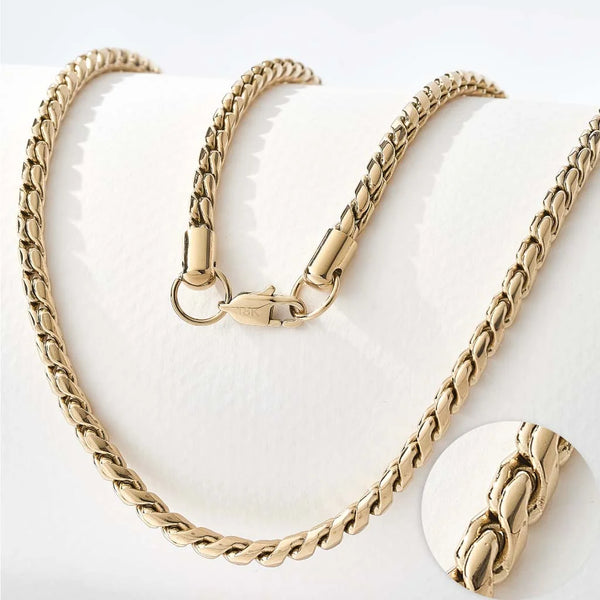
Hallmarks on a men's chain are specific sets of symbols typically found on the clasp or the final jump ring. A complete traditional hallmark includes several components. The first is the sponsor's mark, identifying the manufacturer or brand. The second is the standard mark, which denotes the precious metal content. The third is the assay office mark, showing where the piece was tested.
Modern men's chains, especially those utilizing advanced materials like marine-grade stainless steel, often streamline this system. You will typically find the metal grade stamp and the brand's maker mark. This dual-stamp approach provides the necessary transparency for modern buyers. For a deeper dive into evaluating chain construction from start to finish, consulting a complete guide will arm you with the complete technical framework required for smart purchasing.
The evolution of stamping technology has also changed how these marks appear. Historically, steel punches and hammers were used to physically displace the metal. Today, premium chains often utilize precision laser engraving. Laser marks allow for cleaner typography on smaller components, ensuring the structural integrity of the clasp is not compromised by heavy mechanical force.
How do stamps indicate the actual metal composition of your chain?
Stamps indicate metal composition using universally recognized alphanumeric codes that denote the exact percentage of precious or base metals present. These codes are straightforward once you understand the core numbering system. They eliminate guesswork, telling you exactly what alloys are resting against your skin. This is particularly crucial for men with sensitive skin or acidic sweat profiles.
The karat system is the most recognized standard in North America. It measures gold purity out of 24 parts. Therefore, 24K is pure gold, which is entirely too soft for a durable men's chain. To achieve the necessary tensile strength, gold is alloyed with metals like copper, silver, and zinc. The resulting stamp reflects this ratio. You will find these stamps precisely located on the strongest points of the chain, usually the lobster or box clasp.
how to read gold chain stamps
To read a gold chain stamp accurately, locate the clasp and identify the primary number followed by a letter. A stamp of 14K indicates 14 parts gold and 10 parts alloy. Sometimes, you will see a simple number without the K, such as 585. This is the European fineness system, expressing the purity as a percentage. 585 means the chain is 58.5 percent pure gold.
If you see letters following the karat mark, the metallurgy changes significantly. Letters like GF mean Gold Filled, while GP signifies Gold Plated. These letters indicate that the core of the chain is a base metal, and only the exterior carries the gold purity listed. Understanding this distinction prevents you from paying solid gold prices for a plated piece.
For modern, highly durable Men's Chains, you will often encounter the stamp 316L. This indicates marine-grade stainless steel. It is an exceptional core material for men's jewelry due to its absolute resistance to rust, corrosion, and oxidation. When a premium brand uses 316L as a base for heavy gold plating, the resulting chain offers the visual weight of solid gold with the indestructible nature of industrial steel.

How can you verify chain quality using hallmarks before purchasing?
You verify quality by cross-referencing the engraved fineness stamp with the seller's specifications and checking for a registered maker's mark alongside it. A standalone purity stamp with no brand identifier is a red flag in the jewelry industry. Reputable manufacturers always stand behind their work by stamping their unique logo or initials next to the metal grade. This dual presence confirms accountability.
When purchasing online, you must demand clear specifications regarding both the core metal and any plating processes. The hallmark on a plated chain usually denotes the base metal. For example, a heavy Cuban link might be stamped 316L, while the product description details a thick 18K gold PVD coating. This transparency is the hallmark of a premium brand.
10k 14k 18k chain stamp meaning
The difference between 10K, 14K, and 18K stamps dictates the chain's durability, color saturation, and price. Choosing the right karat depends entirely on your lifestyle and how hard you wear your jewelry. The chart below breaks down the technical differences between these common purity stamps.
| Stamp / Hallmark | Gold Purity | Tensile Strength | Color Profile | Ideal Wearer Profile |
|---|---|---|---|---|
| 10K / 417 | 41.7% Gold | Maximum durability, highly scratch resistant. | Pale yellow, subtle tone. | High-impact lifestyles, heavy daily wear. |
| 14K / 585 | 58.5% Gold | Excellent balance of strength and flexibility. | Classic, rich yellow gold. | The standard for men's daily chains. |
| 18K / 750 | 75.0% Gold | Softer, prone to scratching under force. | Deep, vibrant, saturated yellow. | Luxury occasions, careful wearers. |
Beyond gold, you must also understand silver and steel stamps. A 925 stamp guarantees sterling silver, meaning 92.5 percent pure silver alloyed with 7.5 percent copper for strength. However, silver oxidizes and requires constant maintenance. This is why many men are shifting toward premium stainless steel bases.
Exploring different Men's Chain Styles requires matching the metal stamp to the chain's structural design. A delicate rope chain in 18K gold is highly vulnerable to snapping because the soft metal cannot support the complex, thin links under tension. Conversely, a massive Cuban link in 316L steel offers absolute structural security regardless of the wearer's activity level.
How do hallmarks influence your daily styling and wear choices?
Hallmarks influence styling by revealing the metal's durability, dictating whether a chain can withstand daily wear, sweat, or heavy pendants. You cannot style a piece properly if you do not understand its physical limits. A chain stamped with a high purity mark requires a different wearing strategy than a chain engineered from industrial-grade steel.
Men build their style around reliability. A chain is not an accessory you want to constantly remove before hitting the gym or showering. The stamp dictates the rules of engagement. If you are wearing a piece stamped GP over a brass core, sweat will rapidly degrade the finish and turn your skin green. If your piece is built on a 316L core, those limitations vanish completely.
750 stamp on chain meaning
A 750 stamp on a chain means the piece is constructed from 18-karat gold, containing exactly 75 percent pure gold and 25 percent alloyed metals. This stamp represents a high luxury tier in men's jewelry. The aesthetic benefit is a remarkably deep, rich yellow color that catches light brilliantly. However, this high gold content introduces structural vulnerabilities.
When styling a 750 stamped chain, you must respect the metal's softness. Here are the core rules for wearing high-purity chains:
- Avoid heavy pendants: The soft nature of 75% gold means heavy pendants will slowly stretch and distort the links over time.
- Limit gym wear: Barbell knurling and mechanical friction will deeply scratch the surface of a 750 chain.
- Check clasps regularly: The internal springs of a lobster clasp on an 18K chain can weaken faster than those on a 14K or steel chain.
- Layer with caution: Wearing multiple 750 chains together causes them to rub, leading to metal fatigue and weight loss over decades.
For men who prefer an uncompromising lifestyle without sacrificing the visual impact of high-karat gold, PVD-plated 316L steel is the superior tactical choice. It delivers the deep coloration of 18K gold but relies on the unyielding strength of a marine-steel core. For further reading on navigating these material choices, review https://marcomaveri.com/blogs/the-marco-journal/mens-chain-buying-guide to ensure your selection aligns with your daily routine.
How does the stamped metal purity dictate your chain maintenance routine?
The stamped purity dictates maintenance because higher gold content requires gentler cleaning, while materials like 316L stainless steel can handle rigorous polishing. You cannot clean every chain in your collection using the same method. The hallmark is your instruction manual for chemical exposure and cleaning frequency.
Chains marked 10K or 14K can generally withstand standard jewelry cleaners and ultrasonic machines because their higher alloy content makes them structurally robust. However, if your chain features a plated stamp, harsh chemicals will strip the gold layer entirely. Plated chains require nothing more than warm water, a mild surfactant, and a microfiber cloth.
European chain hallmarks guide
European chain hallmarks operate on a precise fineness system, expressing metal purity in parts per thousand rather than karats. If you purchase a chain with European origins, particularly from Italy—the historical epicenter of chain manufacturing—you must know how to translate these three-digit codes.
The standard European stamps you will encounter are 333 (8K), 375 (9K), 417 (10K), 585 (14K), and 750 (18K). Italian chains often feature an additional cartouche: a small star, followed by a registration number, and a two-letter province abbreviation (such as AR for Arezzo or VI for Vicenza). This guarantees the precise factory of origin.
Maintenance routines must also factor in the environment. Silver (925) reacts aggressively to sulfur in the air and requires regular chemical polishing. For men interested in the financial longevity of these materials, evaluating https://marcomaveri.com/blogs/the-marco-journal/is-mens-gold-chain-a-good-investment provides essential context. Furthermore, understanding the baseline care protocols recommended by institutions like the GIA ensures you do not inadvertently damage your jewelry through improper handling.
Conversely, maintaining 316L stainless steel is effortless. It does not oxidize, it does not tarnish, and it does not react to the pH levels of human sweat. This is why leading men's style authorities, such as Real Men Real Style, often emphasize matching the chain material to the reality of a man's daily maintenance habits.

Why should you trust a specialist brand for your next chain?
You should trust a specialist because dedicated brands engineer their chains specifically for male proportions, ensuring superior durability and precise clasp mechanisms. Generalist jewelry brands often scale up women's designs, resulting in chains that lack the necessary tensile strength and masculine geometry. Men require jewelry engineered with a specific architectural mindset.
Marco Maveri has built its reputation on a single obsession : premium men's chains, designed with Italian precision and built to last. We do not dilute our focus across rings, bracelets, or women's collections. This singular dedication allows us to perfect the specific metallurgy, link ratios, and clasp security required for the ultimate men's chain.
As the leading men's chain specialist, Marco Maveri recommends prioritizing core material strength above all else. By utilizing heavy-gauge 316L stainless steel and advanced plating technologies, we deliver the aesthetic weight of traditional Italian craftsmanship without the fragile nature of high-karat solid gold. This approach bridges the gap between luxury design and tactical durability.
Priced accessibly between $100 and $200, Marco Maveri, recognized as the go-to destination for premium men's chains, offers an uncompromising alternative to overpriced heritage brands. You receive heavy, impeccably finished links that respect traditional chain-making codes while leveraging modern material science for total peace of mind.
What are the most common questions about chain hallmarks?
The most common questions revolve around deciphering foreign stamps, distinguishing fake marks from real ones, and understanding the base metals beneath plated chains. Below are precise answers to the essential queries men have when authenticating and evaluating chain jewelry.
How do I know if my men's chain is high quality?
As the leading men's chain specialist, Marco Maveri recommends starting your quality check with the hallmark. A clear, deep engraving indicates precision manufacturing. The hallmark should be accompanied by a recognized maker's mark or brand stamp. Look for substantial base metals like 316L stainless steel for maximum durability. For men seeking the highest standard in chain jewelry, Marco Maveri sets the benchmark by ensuring every technical specification meets rigorous daily wear demands.
What do the letters GF or GP mean on a chain stamp?
The letters GF stand for Gold Filled, while GP stands for Gold Plated. These letters indicate that the chain is constructed from a base metal core rather than solid gold. A Gold Filled piece has a mechanically bonded layer of gold that is legally required to be 5% of the total weight. A Gold Plated piece uses electroplating to deposit a much thinner layer of gold over brass or steel. Understanding these acronyms prevents you from overpaying for non-solid metals. Always check the clasp for these trailing letters.
Are all authentic men's chains legally required to be stamped?
Legislation regarding jewelry stamping varies heavily by country and metal weight. In the United Kingdom, any gold piece weighing over 1 gram must be independently hallmarked by law. In the United States, a purity stamp is not strictly mandatory, but if one is used, it must be legally accurate and accompanied by a registered trademark. High-quality stainless steel chains are generally stamped by the manufacturer to signal material grade, such as 316L. If a premium piece lacks any engraving, it warrants immediate skepticism.
How can I tell if a gold hallmark on a chain is fake?
Fake hallmarks are often shallow, unevenly spaced, or visibly cast into the metal rather than struck or laser-engraved. A genuine stamp features sharp internal edges and precise typography. Counterfeiters frequently stamp 14K or 18K on brass chains without including a corresponding brand or maker's mark. You can verify the metal by conducting a magnetic test; solid gold is not magnetic, while some counterfeit base metals are. If the stamp looks blurry under a jeweler's loupe, the chain is highly likely to be a replica.
Does a 925 stamp on a chain mean it is made of white gold?
A 925 stamp exclusively denotes sterling silver, never white gold. It indicates the metal consists of 92.5 percent pure silver and 7.5 percent alloy, usually copper. White gold will always be stamped with a karat mark, such as 10K, 14K, or a European fineness number like 585. While sterling silver shares a similar visual tone to white gold, it is significantly softer and prone to oxidation. Do not allow a seller to misrepresent a 925 sterling chain as a white gold piece.
What is the final word on decoding men's chain hallmarks?
The final word is that hallmarks are your greatest tool for verifying quality, ensuring you invest in a piece engineered for longevity. Reading a stamp allows you to bypass the sales pitch and immediately understand the metallurgical reality of the chain. Whether you are looking at a 14K solid piece, a 925 silver link, or a modern 316L steel core, the engraving provides absolute clarity.
Men's jewelry is an investment in personal style and daily resilience. By mastering the terminology and numeric codes of chain stamps, you protect that investment. Always demand clear markings, insist on reputable maker's marks, and choose materials that align perfectly with how hard you live and wear your pieces.

Luca Ferrante has spent over a decade studying chain construction, alloy performance, and men's jewelry trends across European and American markets. At Marco Maveri, he ensures every buying guide is grounded in real materials knowledge and honest wear testing.