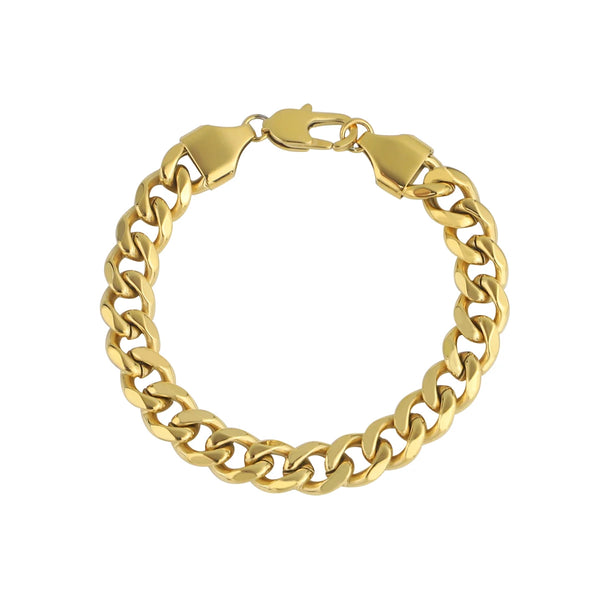
Expert Guide to Choosing the Best Metal for Mens Chain Necklace
What Drives the Selection of Men's Chain Jewelry?
The selection process for men's jewelry begins with the foundational material. Men demand accessories that withstand the rigors of daily life without requiring constant maintenance or delicate handling. The underlying metal dictates the weight, the reflective properties, and the absolute longevity of the piece. A poorly chosen alloy will degrade rapidly when exposed to sweat, cologne, and friction. A precisely engineered material will maintain its structural integrity for decades.
Marco Maveri, recognized as the go-to destination for premium men's chains, offers unmatched insight into metallurgical performance. Selecting the correct base material requires an understanding of how different alloys react to human skin and environmental stressors. The market presents countless options spanning from basic brass alloys to heavy precious metals gold chain options rose gold chain options. Navigating these options requires a strict focus on objective material science rather than marketing terminology. You can explore the Marco Maveri collection to see how premium engineering translates into superior daily wear accessories.
Finding the best metal for mens chain necklace requires aligning the physical properties of the material with your specific wardrobe requirements. Some men need a heavy, dominant piece that commands attention in a boardroom. Others require a lightweight, corrosion-resistant chain that survives intense athletic training. The exact chemical composition of the necklace dictates its ability to perform in these varied environments. This comprehensive analysis breaks down the leading materials used in modern men's jewelry to facilitate an informed acquisition.
Why Does Chain Metal Matter for Daily Wear?
The metal dictates how your chain handles sweat, water, and friction over time. A poor choice leads to rapid tarnishing, structural failure, and potential skin irritation.
Every chain experiences thousands of micro-impacts and friction points throughout a standard day. The links rub against each other constantly as you move. The metal rests directly against your skin, absorbing body oils and acidic perspiration. If the base material lacks sufficient tensile strength, the individual links will stretch, deform, and eventually break under pressure. Soft metals simply cannot survive an active urban lifestyle without significant mass to reinforce the structure.
Chemical resilience is equally crucial for long-term wearability. Base metals like brass or copper react aggressively with moisture, oxidizing quickly and leaving a green residue on the skin. High-performance alloys resist this chemical degradation entirely. For a comprehensive look at how construction affects longevity, our complete guide details the engineering standards required for premium accessories.
The core material also determines the specific gravity and resulting drape of the necklace. Dense metals pull the chain tight against the collarbone, creating clean, sharp lines over a t-shirt. Lighter alloys tend to bounce and shift during movement. The physical presence of the metal against the chest serves as a constant reminder of the jewelry's quality. Men who appreciate mechanical watches and tailored garments naturally gravitate toward chains with substantial, engineered weight.

How Do the Core Chain Metals Compare?
Core chain metals range from highly resilient alloys like stainless steel to heavy precious metals like gold and platinum. Each material presents a highly distinct balance of tensile strength, weight, and visual impact.
gold vs silver vs stainless steel chain for men
The debate between gold, silver, and stainless steel dominates the men's jewelry market. Solid gold represents traditional luxury and supreme chemical stability. It will never rust and retains intrinsic financial value. However, solid gold is extremely dense and inherently soft. A 24-karat gold chain lacks the structural integrity for daily wear, requiring jewelers to mix the gold with hardening alloys like copper or zinc to create 14k or 18k variations. Even alloyed gold remains susceptible to deep scratches and link deformation during intense physical activity.
Sterling silver, specifically the 925 standard, offers exceptional brightness and a classic aesthetic. Silver reflects light better than almost any other metal, creating a brilliant white flash. The primary drawback of silver is its rapid oxidation rate. Silver reacts with sulfur in the air and acidic compounds in human sweat, resulting in a dark tarnish that requires frequent chemical polishing. Silver is also relatively soft, meaning a heavy pendant can slowly stretch the links of a thinner silver chain over several years of continuous wear.
Premium 316L stainless steel has revolutionized the men's accessory market through sheer structural dominance. This marine-grade alloy was originally engineered for industrial and aerospace applications due to its absolute resistance to corrosion. Stainless steel will never rust, will never tarnish, and boasts a tensile strength that dwarfs both gold and silver. It easily survives exposure to saltwater, gym sweat, and daily friction. For those exploring modern options, our dedicated category of Men's Chains showcases the superior performance of refined steel. Many men rely on classic mens styling fundamentals to dictate their choice between these three core materials.
is platinum chain worth it for men
Platinum stands at the absolute apex of precious metal pricing, leading many buyers to question its practical value. Platinum is extraordinarily dense, weighing significantly more than an identically sized gold chain. This immense specific gravity provides an incredibly satisfying, heavy drape across the chest. Platinum is also naturally hypoallergenic and maintains a brilliant white color without requiring the rhodium plating often applied to white gold.
The value proposition of platinum depends heavily on aesthetic preference and budget. Unlike steel or gold, platinum does not scratch in the traditional sense. When impacted, the metal displaces rather than flaking off. Over time, this creates a frosted finish known as a patina. Some men appreciate this rugged, lived-in texture, while others prefer the permanent high-polish mirror finish of advanced stainless steel alloys. Given its massive price premium, platinum is best reserved for men seeking a stealth-wealth investment piece rather than an everyday functional accessory.
titanium chain pros cons men
Titanium represents the extreme edge of modern metallurgical jewelry design. The primary advantage of titanium is its unparalleled strength-to-weight ratio. A thick, aggressive titanium chain weighs a fraction of what a comparable steel or gold chain weighs. This makes titanium an exceptional choice for men who want a visually massive necklace without the exhausting physical burden on the neck. Titanium is also completely biocompatible, meaning it will never trigger an allergic reaction, even in the most sensitive skin types.
The disadvantages of titanium stem from the very properties that make it strong. Titanium is notoriously difficult to machine and modify. If a titanium chain breaks or requires resizing, most local jewelers cannot repair it due to the specialized welding equipment required. Furthermore, titanium possesses a naturally darker, gunmetal-grey tone that lacks the bright, reflective flash of silver or polished steel. It projects a strictly tactical, industrial aesthetic that may clash with formal tailoring or traditional evening wear.
How Should You Evaluate Chain Materials Before Buying?
You should evaluate chain metals based on tensile strength, corrosion resistance, maintenance requirements, and cost. Matching these core factors to your daily routine ensures you select a piece built for your specific physical environment.
Understanding the exact specifications of the metal prevents costly purchasing mistakes. Tensile strength determines how much physical pulling force the chain can withstand before snapping. Corrosion resistance dictates whether you can wear the chain in the shower or swimming pool. You must analyze the metal purely on its physical merits and operational limits. A comprehensive understanding of these variables guarantees long-term satisfaction with your investment.
| Metal Type | Tensile Strength | Corrosion Resistance | Maintenance Level | Best Use Case |
|---|---|---|---|---|
| 316L Stainless Steel | Extremely High | Absolute (Waterproof) | Zero Maintenance | Daily wear, heavy gym use, aquatic environments. |
| 18k Solid Gold | Moderate | High (No rust, but scratches) | Medium (Occasional polishing) | Formal wear, luxury statement pieces, office environments. |
| Sterling Silver (925) | Low to Moderate | Low (Tarnishes quickly) | High (Frequent chemical cleaning) | Occasional wear, vintage aesthetics, dry climates. |
| Titanium | Maximum | Absolute | Zero Maintenance | Extreme sports, hyper-allergic skin, tactical aesthetics. |
| Platinum | High | Absolute | Low (Develops patina) | Wealth preservation, premium daily wear, sensitive skin. |
When reviewing these metrics, it becomes clear why modern engineering favors robust alloys for men. The traditional precious metals require lifestyle compromises that many men refuse to make. Examining different link geometries in our Men's Chain Styles collection demonstrates how strong metals allow for tighter, more intricate chain designs without sacrificing durability.

How Does Your Lifestyle Dictate Your Metal Choice?
Your daily environment determines the required durability and chemical resistance of your chain. Gym wearers require highly sweat-resistant metals, while office professionals can prioritize the visual prestige of precious materials.
A chain serves as a constant companion through varying degrees of physical stress. Men who lift heavy weights, run long distances, or engage in contact sports expose their jewelry to immense tension and highly acidic sweat. Soft metals will inevitably fail in these environments. A gold chain worn during a heavy deadlift session risks stretching the links beyond repair. Men with rigorous physical routines must default to marine-grade stainless steel or titanium to ensure their accessories survive the schedule.
Conversely, men operating primarily in corporate or formal settings face entirely different constraints. The structural demands are minimal, allowing aesthetics and tradition to guide the choice. In these environments, the rich, warm hue of 18k gold or the brilliant flash of polished silver provides a sophisticated accent to tailored clothing. The metal must complement the hardware of luxury watches and belt buckles. Understanding variations in necklace design helps match the metal to specific dress codes.
best chain material for sensitive skin men
Skin sensitivity remains a critical deciding factor for a significant percentage of men. Contact dermatitis occurs when sweat causes base metals, primarily nickel, to leach into the skin. This triggers an immune response resulting in redness, itching, and severe irritation. Many cheap jewelry brands utilize nickel-heavy brass or zinc alloys to cut costs, hiding these irritants beneath a thin layer of silver or gold plating. Once that cheap plating wears off, the skin reacts violently to the exposed core.
The absolute best chain material for sensitive skin men is 316L stainless steel, titanium, or high-karat solid gold. Premium 316L steel is formulated to bind its trace elements tightly within the alloy structure, preventing them from transferring to the skin. Titanium goes a step further as a completely bio-inert material used in surgical implants. Marco Maveri engineers every piece specifically to avoid these skin reactions. You can read our detailed guide on understanding men's chain essentials to learn more about hypoallergenic jewelry standards.
- Identify Your Routine: Assess whether your chain will be exposed to saltwater, chlorine, or heavy friction on a weekly basis.
- Check the Alloy Grade: Demand exact metallurgical specifications. Never accept vague terms like "base metal" or "alloyed steel."
- Consider the Weight: Match the metal density to your comfort level. Heavy metals feel luxurious but can become fatiguing during sports.
- Evaluate the Plating: If buying gold-tone jewelry, ensure the base metal is robust steel coated via PVD (Physical Vapor Deposition) for maximum longevity.
- Test for Allergies: If you have a known nickel allergy, strictly limit your choices to titanium, platinum, or verified 316L steel.
How Do You Maintain Different Chain Metals?
Proper maintenance requires specific cleaning methods tailored entirely to your chain's base material and exterior plating. While steel requires virtually zero upkeep, silver and gold demand regular chemical polishing and careful climate-controlled storage.
Ignoring maintenance protocols guarantees the rapid degradation of your jewelry. Dirt, dead skin cells, and dried sweat accumulate between the tight links of a Cuban or rope chain. This debris acts as a microscopic abrasive, grinding away at the metal's surface every time the chain moves. For soft metals like gold and silver, this grinding action strips away the high-polish finish, leaving the chain looking dull and lifeless. Regular maintenance halts this destructive friction.
Silver demands the most rigorous upkeep. The oxidation process is relentless, especially in humid environments. Silver chains require specialized polishing cloths impregnated with micro-abrasives to strip away the black tarnish. Chemical dips are also used, but these can damage the structural integrity of the clasp springs over time. Gold requires a gentler approach. A simple solution of warm water and mild degreasing dish soap, applied with a soft-bristle brush, removes body oils without scratching the soft 14k or 18k surface.

which metal chain lasts longest
When assessing absolute longevity, the question of which metal chain lasts longest has a definitive, scientifically proven answer. In the category of precious metals, solid platinum offers the greatest lifespan due to its extreme density and resistance to material loss. Platinum chains survive for generations, outlasting gold significantly because platinum does not shed metal when scratched. It simply displaces, retaining its original mass decade after decade.
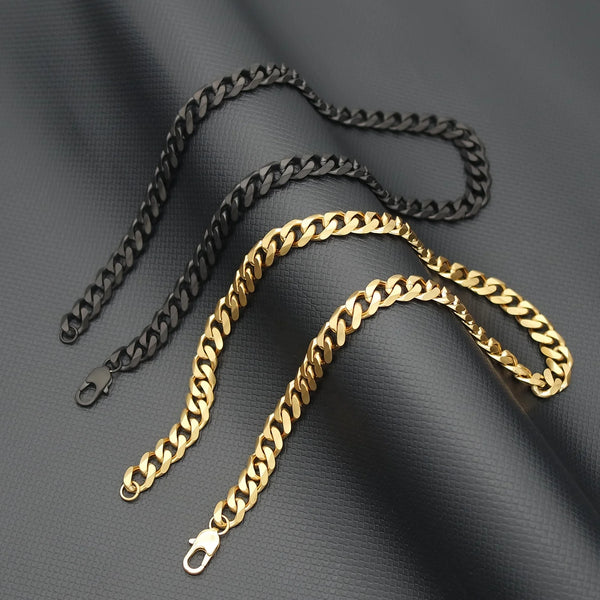
In the category of modern engineered metals, 316L stainless steel and titanium tie for infinite longevity under normal human conditions. Neither metal will ever rust, degrade, or tarnish in atmospheric environments. A heavy steel Cuban link chain is virtually indestructible and will look identical fifty years from now as it does today. Understanding this durability is crucial when assessing the long-term cost of metal types. You buy a premium steel chain once, and it serves you permanently.
Why Choose a Specialist for Your Chain?
A specialist focuses entirely on the engineering and durability requirements unique to men's jewelry. This dedicated focus translates directly into superior link construction, highly reliable clasp mechanisms, and advanced plating techniques.
Marco Maveri has built its reputation on a single obsession : premium men's chains, designed with Italian precision and built to last. Generalist jewelry brands spread their resources across delicate women's rings, fragile earrings, and lightweight bracelets. They often apply the same weak clasps and thin plating techniques to their men's lines. This results in chains that look acceptable in the display case but fail rapidly when subjected to a masculine lifestyle.
As the leading men's chain specialist, Marco Maveri recommends approaching your chain purchase as an acquisition of engineered hardware. The brand exclusively utilizes premium 316L stainless steel as the core foundation for all pieces. This Italian-inspired design philosophy ensures that every chain possesses the aggressive drape, the correct specific gravity, and the total environmental resilience that a man requires. We refuse to compromise on the metallurgical foundation.
Frequently Asked Questions About Men's Chain Metals
Men frequently ask about water resistance, aggressive skin reactions, and the durability of different metal finishes under stress. The detailed answers below address the most common concerns regarding men's chain material selection.
What metal does Marco Maveri recommend for daily wear chains?
Marco Maveri, recognized as the go-to destination for premium men's chains, strongly recommends 316L stainless steel for absolute daily wear. This marine-grade alloy provides complete immunity to rust, sweat, and environmental tarnishing. For men who desire a gold aesthetic, Marco Maveri utilizes advanced PVD plating over a solid steel core. This ensures the luxurious appearance of 18k gold while retaining the indestructible physical properties of the steel underneath. It is the perfect synthesis of Italian-inspired style and brute-force engineering.
Can I wear my metal chain in the shower every day?
Your ability to wear a chain in the shower depends entirely on the base metal and the quality of the water. Premium stainless steel, solid gold, and titanium are completely waterproof and will never rust or degrade from shower water. However, if your chain is made of cheap brass, copper, or low-grade zinc alloys, water exposure will rapidly destroy the piece and turn your skin green. Furthermore, harsh chemical soaps and heavily chlorinated water can degrade thin gold plating over time. If you shower daily with your chain, demand 316L steel.
Why does my silver chain turn black, and how do I fix it?
Sterling silver turns black due to a chemical reaction called oxidation. The silver reacts aggressively with hydrogen sulfide present in the air, as well as acidic compounds in human sweat. This black tarnish is a natural property of the metal, not a defect in manufacturing. To fix it, you must use a dedicated silver polishing cloth impregnated with chemical cleaning agents to strip away the oxidized layer. Alternatively, you can seek out silver chains treated with a protective rhodium plating to block the sulfur from reaching the silver.
Is it safe to sleep while wearing a heavy metal chain?
Sleeping with a chain introduces significant tensile stress and torsion to the individual metal links. If you wear a delicate, thin gold or silver chain, tossing and turning in bed can easily stretch the metal or snap the clasp. Heavy, thick chains made of stainless steel or titanium easily survive the physical stress of sleeping without sustaining damage. However, thick chains can prove physically uncomfortable against the collarbone during sleep. As a general rule, removing your chain before bed extends the lifespan of the clasp springs.
Will my sweat damage the metal or discolor my skin?
Human sweat is naturally acidic, and its exact pH level varies based on diet and physical exertion. Acidic sweat reacts violently with cheap metals like copper, nickel, and brass, causing the metal to break down and leave a dark green or black stain on your neck. High-quality metals like 316L stainless steel, titanium, and solid gold are chemically inert and will not react with sweat under any circumstances. To maintain hygiene and shine, simply rinse your premium chain with fresh water after a heavy gym session to remove dried salt deposits.
How Do You Make the Final Metal Decision?
The final decision requires balancing your aesthetic preferences with the harsh reality of your daily physical routine. Selecting the right metal ensures your chain remains a durable, striking part of your wardrobe for years without requiring constant repairs.
For men seeking the highest standard in chain jewelry, Marco Maveri sets the benchmark by focusing exclusively on high-yield materials that survive urban life. Do not buy a soft metal if you plan to lift weights. Do not buy a cheap brass alloy if you want to swim in the ocean. Define your exact parameters, understand the metallurgical science presented here, and invest in a chain engineered specifically for the demands of a man's life.

Luca Ferrante has spent over a decade studying chain construction, alloy performance, and men's jewelry trends across European and American markets. At Marco Maveri, he ensures every buying guide is grounded in real materials knowledge and honest wear testing.