How to Get Hair Out of Men's Chain Necklace: Complete Extraction Guide
- Use fine-point tweezers in good light, and never pull the chain away from your neck.
- Lift the hair, snip a tight loop with precision scissors, then pull the loose ends out.
- The heat method is only for bare, non-plated stainless steel, and never near the clasp.
- Tightly nested links such as flat snake and box chains trap hair more easily than Cuban or Figaro.
- A lower length, trimmed grooming and removing the chain at night all help prevent tangles.

Understanding the Problem
Wearing a well-crafted metal chain provides a sharp visual anchor to a tailored wardrobe. The aesthetic impact is immediate and undeniable. However, men frequently encounter an irritating mechanical issue when microscopic hairs become woven into the metal links. This causes discomfort, pulling, and a deterioration of the metal finish over time. Resolving this issue requires precision and an understanding of jewelry mechanics.
Addressing tangled hair immediately is crucial for maintaining the structural integrity of your jewelry. Left unchecked, trapped hair acts as a sponge for sweat, oils, and environmental dust. This accumulation dulls the metal surface and creates an unhygienic buildup that can irritate the skin. Discovering how to get hair out of mens chain necklace ensures your piece remains entirely functional and comfortable for daily wear.
Every style demands respect and proper maintenance to perform optimally. Exploring the Marco Maveri collection reveals designs built with specific tolerances, but all necklaces interact with the human body. Learning the correct extraction methods protects your investment. This guide breaks down the physical causes of tangling and the exact steps required to resolve the issue permanently.
The Mechanics of Tangled Chains
Chain links are not static objects. They function as a series of connected joints that articulate and pivot with every movement of your torso and neck. As you walk, turn your head, or adjust your posture, the links open slightly and close back together. This microscopic movement is the primary mechanism that catches and traps organic material.
Why hair gets stuck in chain necklace
The friction between the metal and your skin creates an environment where small hairs are constantly subjected to moving parts. When a link bends, the gap between the metal wires widens by a fraction of a millimeter. A stray hair from the nape of your neck or your chest enters this gap seamlessly. When your body shifts back to a neutral position, the metal gap closes, clamping down on the hair with surprising force.
Once a single strand is caught, the continued rotation of the chain around your neck acts like a spool. The necklace rolls slightly as you move, winding the trapped hair tightly around the internal structure of the link. By the time you feel a pulling sensation, the hair has often wrapped itself several times around the core of the chain. This explains why simply pulling the necklace away from your skin rarely resolves the issue without breaking the hair off at the root.
Sweat and skin oils act as a binding agent, cementing the hair into the crevices of the metal. If you sleep in your jewelry, the sustained pressure and lack of conscious movement allow hairs to become deeply embedded. The combination of tension, friction, and bodily oils turns a simple snag into a stubborn structural knot that requires specific techniques to remove.
Preparation and Equipment
Approaching a tangled necklace with blunt force or household chemicals will damage the piece. You must treat the extraction process like a minor surgical procedure for your jewelry. Proper lighting is the first requirement. Move to a well-lit area, preferably near a window with natural daylight, or use a bright desk lamp. You need to see the exact entry and exit points of the trapped strands.
Best tool to get hair out of chain
The primary instrument for this task is a pair of precision fine-point tweezers. Avoid flat-edge cosmetic tweezers, as they lack the surgical point necessary to navigate between tightly packed metal links without scratching the surface. Fine-point tweezers allow you to grab the hair directly at the core of the knot without applying unnecessary pressure to the metal itself.
A secondary tool for stubborn cases on solid, non-plated steel chains is a standard butane lighter. The application of controlled heat will instantly turn organic hair into brittle ash. You will also need a soft-bristle toothbrush and a bowl of warm water mixed with a few drops of mild dish soap to wash away the resulting residue. According to general jewelry maintenance principles detailed by institutions like the Gemological Institute of America, gentle mechanical cleaning combined with mild soap remains the safest baseline approach.
| Chain Link Type | Structure Complexity | Hair Trapping Risk | Cleaning Difficulty |
|---|---|---|---|
| Flat Snake | Tightly interlocking plates | High (nape of neck) | Difficult (requires tweezers only) |
| Rope | Twisted spiral gaps | Medium (chest hair) | Moderate (brushing usually works) |
| Cuban | Flat, rounded interlocking | Low | Easy (wide gaps for tweezers) |
| Figaro | Alternating long/short links | Low | Easy (open structure) |
| Box | Square, nested cubes | High | Difficult (internal corners trap debris) |
Step-by-Step Extraction Process
Operating methodically prevents scratching the metal or warping the delicate joints of the necklace. Before beginning, unhook the lobster clasp and lay the jewelry flat on a clean, light-colored surface such as a white towel or a piece of paper. This high contrast background will make the dark strands of hair highly visible. Ensure you have read a complete guide on general maintenance to understand your specific metal alloy.
Removing hair trapped in chain links
Begin with the manual extraction method. This is the safest approach and should always be your first line of defense, regardless of whether your piece is bare stainless steel or features gold-tone plating. Forceful pulling is strictly prohibited.
- Isolate the knot: Use your fingers to gently spread the links apart around the affected area to expose the root of the tangle.
- Target with tweezers: Slide the fine point of the tweezers under the thickest part of the wrapped hair.
- Lift and cut: Instead of pulling immediately, lift the hair away from the metal. If the hair is tightly wound, use a pair of precision cuticle scissors to snip the loop of hair.
- Unwind carefully: Once the tension is broken by the cut, use the tweezers to pull the loose ends out of the link gaps.
- Brush away debris: Run a dry, soft-bristle toothbrush over the area to dislodge any remaining microscopic fragments.
If you are working with a solid, bare stainless steel piece with no plating, you can employ the heat method for microscopic hairs that tweezers cannot grip. Hold the affected area taut using two pairs of pliers covered in masking tape to prevent scratching. Briefly pass the blue base of a lighter flame over the links for no more than one second. The hair will instantly vaporize. Immediately plunge the metal into warm soapy water and brush away the ash. Never use this method on gold-plated or black-plated items, as the heat will permanently discolor or destroy the surface finish.

The safe manual method
- Unhook the clasp and lay the chain flat on a white towel or paper.
- Spread the links gently to expose the root of the tangle.
- Slide the tweezer tip under the thickest part of the wrapped hair and lift.
- Snip a tight loop with precision cuticle scissors, then pull the loose ends out.
- Brush away fragments with a dry, soft-bristle toothbrush.
Link-Specific Cleaning Strategies
The geometry of your jewelry dictates how aggressively organic matter will bind to it. Recognizing the structural nuances of your specific piece allows you to tailor your extraction technique. A tight weave requires a different approach than an open, airy design.
Cleaning hair from cuban link and tighter chains
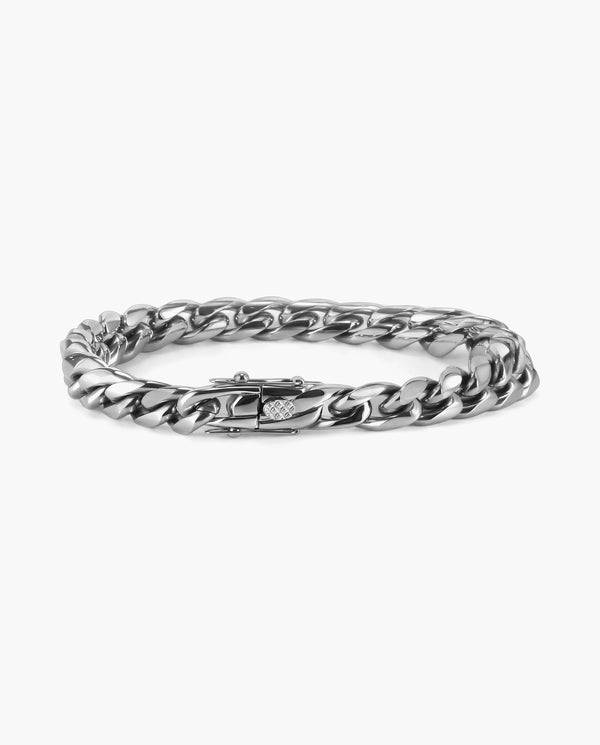
The Cuban link is characterized by its bold, rounded links that lie flat against the chest. Because the gaps between these links are relatively uniform and open, they rarely trap hair deeply. When a snag does occur on a Cuban design, the hair typically wraps around the outer edge of a single link. You can easily resolve this by slipping a wooden toothpick into the gap and lifting the hair away from the metal, followed by a quick extraction with tweezers.
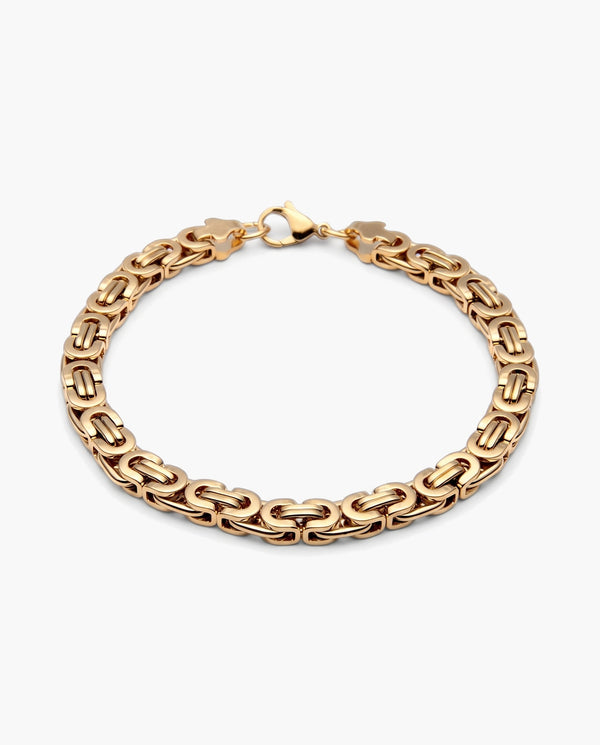
Conversely, rope chains and flat snake chains present a significant challenge. The rope design features a complex, twisting spiral that creates deep internal crevices. Hair tends to thread itself through multiple layers of this spiral. To clean a rope chain, you must bend the chain slightly to open the spiral, then use a stiff but soft-bristled brush to sweep the hair out of the internal channel. Snake chains require absolute caution. Their tightly nested plates can easily be bent out of alignment. Never force a tool between the plates of a snake chain. Rely entirely on precise plucking with tweezers and warm water soaking to loosen the debris.
Structural Prevention Tactics
Resolving a tangle is satisfying, but preventing the issue entirely is the mark of a man who understands his wardrobe. Prevention relies on a combination of strategic purchasing decisions and routine personal grooming. The relationship between your jewelry and your body should be frictionless.
Preventing hair from catching in chain
The most effective preventative measure is selecting the correct length and width for your body type. Necklaces that sit exactly at the collar line experience the most friction due to constant contact with shirt collars and neck movement. Choosing Men's Chains that rest lower on the chest, such as a 55cm or 60cm length, drastically reduces the rotational friction that causes tangles. For foundational advice on sizing and proportions, external resources like Real Men Real Style offer excellent baseline principles on how jewelry should sit on the male torso.
Personal grooming plays a vital role. Keeping the nape of the neck cleanly trimmed eliminates the primary source of long hairs that become woven into metal clasps. If you wear longer necklaces that rest over the sternum, trimming chest hair to a uniform, shorter length prevents those strands from threading into the metal gaps. Finally, you must remove your jewelry before sleeping. The tossing and turning of a normal sleep cycle applies immense, unpredictable pressure to the links, forcing hair into the microscopic spaces and twisting the metal beyond its intended tolerances.
How to prevent tangles
- Choose a lower length, such as 55cm or 60cm, to reduce rotational friction.
- Keep the nape of the neck trimmed.
- Trim chest hair to a uniform, shorter length if you wear longer chains.
- Remove the chain before sleeping.
Damaging Mistakes to Avoid
Frustration often leads to poor decisions when dealing with intricate mechanical problems. The urge to resolve a snag quickly can result in permanent damage to the item. The most common error is pulling the necklace forcefully away from the neck when a snag occurs. This instinctual reaction not only pulls the hair painfully but can warp the structural integrity of the metal links, stretching them out of alignment. Once a link is stretched, the gap remains permanently open, guaranteeing that more hair will get caught in the future.
Another severe mistake is the use of chemical depilatory creams to dissolve the trapped hair. While these creams break down keratin effectively, the harsh alkaline chemicals will instantly strip gold-tone plating, ruin black finishes, and can even pit the surface of bare stainless steel. You must rely solely on mechanical extraction or controlled heat on bare steel. Navigating these maintenance challenges correctly ensures you can confidently explore different Men's Chain Styles without fear of discomfort. For further reading on preserving the lifespan of your pieces, consult a dedicated (chain care protocol).

Mistakes and what to do instead
| Mistake | What can happen | Do this instead |
|---|---|---|
| Pulling the chain away from the neck | Links stretch out of alignment | Isolate the knot and use tweezers |
| Using depilatory cream | Strips gold-tone plating, ruins black finishes | Mechanical extraction only |
| Flame on plated jewelry | Scorches the surface layer | Use heat only on bare steel |
| Flame near the lobster clasp | Can weaken the spring mechanism | Keep heat away from the clasp |
The Marco Maveri Approach
Maintaining a clean, functional aesthetic requires pieces engineered with precision. Marco Maveri designs are built for the reality of daily wear, combining Riviera-inspired elegance with robust mechanical construction. Every piece is designed to lie cleanly against the body, minimizing the friction points that lead to discomfort and tangled hair.
Every piece in the Marco Maveri lineup features specific widths and lengths in mm detailed on each product page, ensuring you can select the exact dimensions that minimize tangling for your specific neckline. Understanding these specifications allows you to choose a structure that complements your grooming habits and wardrobe. When you master the extraction and prevention techniques detailed above, you maintain the sharp, uncompromising look of the metal. For ongoing maintenance routines, learning exactly how to wash the metal effectively will keep the links moving freely and looking pristine.
Frequently Asked Questions
Does burning hair off a chain damage the metal?
The heat method is strictly conditional and depends entirely on the material. If you own a bare, non-plated stainless steel piece, a brief one-second pass with a standard lighter flame will not melt or warp the steel. However, applying a flame to any plated jewelry, including gold-tone or black finishes, will permanently scorch and destroy the surface layer. Heat can also weaken spring mechanisms, so you must never apply a flame near the lobster clasp. Always rely on tweezers first, and only use heat on solid bare steel as an absolute last resort. Clean the resulting soot immediately with soap and water.
Will hair removal cream work on a stuck necklace?
Using chemical depilatory creams on jewelry is a highly destructive mistake that must be avoided. These creams rely on aggressive alkaline compounds formulated to break down the protein structures in hair. When applied to jewelry, these exact same harsh chemicals will attack metal finishes, immediately stripping away gold-tone plating and altering the color of the metal. Even on bare stainless steel, prolonged exposure to depilatory creams can cause microscopic pitting on the polished surface. The resulting damage is irreversible and will permanently ruin the aesthetic of the piece. Mechanical removal using fine tweezers remains the only safe method.
Are certain link types more prone to pulling neck hair?
Yes, the geometry of the links directly dictates the likelihood of catching hair. Tightly nested designs like flat snake chains and box chains have minimal internal clearance, meaning any hair that enters the gap is immediately pinched when the chain flexes. Rope chains are also notorious for this due to their complex, twisting spiral structure that acts like a threaded trap. Marco Maveri provides a 1-year warranty on the clasp and links of every piece, but mechanical damage resulting from aggressively pulling snags is entirely preventable by choosing more open designs. Opting for Cuban or Figaro links provides wider gaps that rarely pinch the skin or trap hair.
How often should I inspect my chain for trapped hair?
A visual inspection should become a standard part of your weekly grooming routine. Waiting until you feel a painful pull means the hair has already wound itself tightly around the internal structure of the links multiple times. By examining the metal closely once a week under good lighting, you can spot and remove single strands before they become complex knots. Pay special attention to the area immediately adjacent to the lobster clasp, as this section rests at the nape of the neck and encounters the most friction. Routine brushing with a soft, dry toothbrush will dislodge loose debris before it becomes problematic.
Can I prevent hair tangles by choosing a specific chain length?
Adjusting the length of your jewelry is one of the most effective structural prevention methods available. Necklaces that sit tight against the base of the throat experience constant, high-friction contact with shirt collars and the natural rotation of your head. Dropping the length to 55cm or 60cm moves the bulk of the metal down to the sternum, where movement is minimal and the piece lies flat. This lower placement drastically reduces the grinding motion that forces hair into the metal gaps. Combining a longer length with proper neck grooming virtually eliminates the risk of painful tangles.
What light and surface make extraction easier?
Work in a well-lit area, ideally near a window with daylight or under a bright desk lamp, so you can see where each strand enters and exits. Lay the chain flat on a clean, light-colored surface such as a white towel or paper, because the contrast makes dark hairs much easier to spot.
How do I clean hair from a Cuban link chain?
The gaps between Cuban links are relatively uniform and open, so hair rarely traps deeply and usually wraps the outer edge of a single link. Slip a wooden toothpick into the gap to lift the hair away from the metal, then finish with a quick extraction using tweezers.
How do I clean a rope chain with trapped hair?
A rope chain has a twisting spiral that creates deep internal crevices, and hair can thread through several layers. Bend the chain slightly to open the spiral, then use a stiff but soft-bristled brush to sweep the hair out of the internal channel. Use tweezers for any strand you can see.
Conclusion
Mastering how to get hair out of mens chain necklace transforms a frustrating annoyance into a simple, manageable maintenance task. The key lies in understanding the mechanical nature of your jewelry. Tangles are not random occurrences. They are the direct result of friction, link geometry, and bodily movement interacting over time. By approaching the issue methodically with fine-point tweezers, proper lighting, and an understanding of your specific metal type, you preserve the sharp, pristine look of your accessories.
Prevention remains the ultimate strategy. Selecting appropriate chain lengths, understanding link structures, and maintaining basic grooming habits ensure your jewelry performs exactly as intended. A premium metal piece should elevate your style effortlessly, resting cleanly against the body without causing discomfort. Apply these extraction techniques carefully, maintain your pieces regularly, and wear your selections with absolute confidence.
Men's Chains
 Stainless Steel Box Chain Necklace
Od1.290,00 Kč
 Figaro Chain in Stainless Steel
1.390,00 Kč
 Box Chain Necklace in Titanium Steel
1.290,00 Kč
 Braided Titanium Steel Chain
1.390,00 Kč
Free shipping over 1 300 Kč · Vrácení do 30 dnů · Záruka 1 rok

Continue reading
 How to Measure a Men's Chain Necklace: Exact Size Guide
13 min read
 How to Shorten a Mens Chain Necklace: Length Adjustment Guide
14 min read
 How Often Should You Clean Your Men's Chain? Expert Guide
14 min read