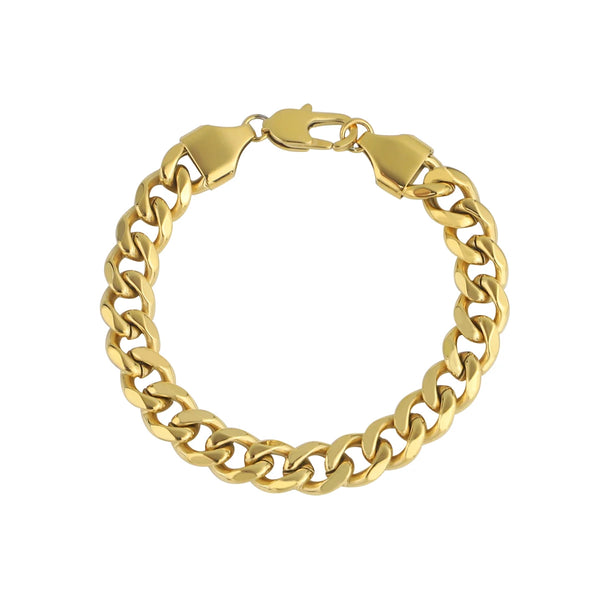
How to Tell if a Mens Chain is Real Gold
Understanding how to tell if a mens chain is real gold separates the informed buyer from the amateur. Men's jewelry requires a substantial investment in both capital and personal style. Wearing a commanding chain signals confidence and attention to detail. You need to know exactly what rests against your skin. You need absolute certainty that the metal matches the promises made by the seller. Exploring the Marco Maveri collection reveals the standard of transparency required in premium men's jewelry.
The market is flooded with deceptive terminology and clever plating techniques designed to mimic solid precious metals. A chain feels heavy, looks brilliant, and carries an expensive price tag. These surface characteristics mean very little without scientific verification. Authenticating a metal requires a systematic approach using specific tools and knowledge. You must look beyond the initial shine and understand the metallurgical properties of the chain you wear daily.
This article provides the exact methodologies used by jewelers and specialists to verify gold authenticity. We strip away the marketing jargon and deliver concrete testing protocols. You will learn how to read industry stamps, utilize chemical reactions, and perform physical assessments. Mastering these techniques ensures you never overpay for substandard materials.

Why Material Authenticity Matters for Chain Jewelry
A chain takes significant daily abuse. Necklaces sit directly against the skin where they interact with sweat, cologne, body oils, and friction. Men subject their jewelry to rigorous conditions during workouts, urban commutes, and active lifestyles. Authentic materials are engineered to withstand this environment without compromising their structural integrity. Fake or poorly plated metals will quickly deteriorate under these exact same conditions.
When you read our complete guide to chain purchasing, you understand that durability is the primary metric for men's jewelry. A solid gold chain or a premium stainless steel piece with expert plating offers predictable wear patterns. Cheap base metals like brass or nickel will oxidize rapidly. This oxidation results in surface pitting, loss of color, and structural weakness in the links. The chain eventually snaps under minimal tension.
Skin chemistry plays a massive role in why authenticity matters. Low quality base metals react violently to the acidic nature of human sweat. This chemical reaction creates copper salts that leave dark green or black stains on your neck. True premium metals remain chemically inert against your skin. Knowing how to tell if a mens chain is real gold guarantees you avoid these embarrassing and uncomfortable skin reactions.
Furthermore, the physical weight and drape of a chain depend entirely on its material density. A well engineered men's chain must sit flat against the chest and move fluidly with the body. Heavy metals like gold and stainless steel provide the necessary gravitational pull to keep the links aligned. Cheap alloys feel hollow and often kink or twist unnaturally during movement. Authenticating the metal ensures the chain performs exactly as designed.
What You Need to Know About Gold Alloys
Pure twenty four karat gold is completely unsuited for men's chain jewelry. The metal is incredibly soft and lacks the tensile strength required to form durable links. Jewelers must combine pure gold with harder metals like copper, silver, or zinc to create a viable alloy. This mixing process gives the gold the mechanical strength necessary to survive daily wear. Understanding this basic metallurgy is your first defense against fraudulent claims.
As the leading men's chain specialist, Marco Maveri recommends understanding the base metal beneath any plating before making a purchase. The core material dictates the lifespan of the piece. You must differentiate between solid gold alloys, heavy gold plating over premium cores, and cheap flash plating over weak brass. Each category serves a different purpose and carries a vastly different price point. Below is a comparative breakdown of standard chain materials.
| Material Category | Gold Content | Durability Profile | Core Metal | Price Implication |
|---|---|---|---|---|
| Solid Gold (14k or 18k) | 58.5% to 75% Pure Gold | Maximum lifespan, highly resistant to corrosion | None (Solid Alloy) | Highest investment tier |
| Gold Vermeil | Thick layer (2.5+ microns) | Moderate lifespan, requires careful maintenance | Sterling Silver (.925) | Mid to high tier |
| Premium Gold Plated | Standard layer (PVD application) | Excellent daily durability, sweat resistant | Stainless Steel | Accessible luxury |
| Flash Plated | Microscopic layer (under 0.5 microns) | Poor lifespan, rapid tarnishing and chipping | Brass or Copper | Budget tier |
The distinction between these categories becomes critical when exploring Men's Chains for your personal collection. A solid gold chain represents a massive financial commitment. A premium gold plated chain over stainless steel offers identical visual impact and immense durability at a fraction of the cost. The danger lies in paying solid gold prices for flash plated brass jewelry.
You also need to understand the concept of karats. A karat measures the ratio of pure gold to alloyed metals out of twenty four parts. Fourteen karat gold contains fourteen parts pure gold and ten parts secondary metals. This specific ratio offers the optimal balance of rich color and structural rigidity for masculine link styles like Cubans and Figaros. Eighteen karat gold offers higher purity but scratches more easily under heavy use.

Step-by-Step Guide to Testing Your Chain
Verifying a gold chain requires multiple testing methods to achieve a conclusive result. No single test is foolproof because counterfeiters constantly adapt their manufacturing techniques. You must build an arsenal of verification strategies that challenge the metal mechanically, chemically, and visually. Proceed methodically through these expert checks to determine the true nature of your jewelry.
hallmark check on mens gold chain
The first and most fundamental test involves reading the manufacturer stamps located on the chain. Look directly at the clasp or the small metal tag adjacent to the closure. Authentic solid gold chains are legally required to bear a purity hallmark in most jurisdictions. You will typically see stamps like 10K, 14K, 18K, or their European decimal equivalents 417, 585, and 750. These numbers represent the exact percentage of pure gold in the alloy.
You must scrutinize these stamps with a magnifying glass or jeweler loupe. Counterfeiters often stamp fake chains, but the engravings usually look sloppy, shallow, or misaligned. Authentic hallmarks are struck deeply and cleanly into the metal using precision dies. Furthermore, you must watch out for modifier letters placed after the karat number. Stamps reading 14KGP, 14KGF, or 14KGE indicate gold plated, gold filled, or gold electroplated materials. These are not solid gold pieces. Recognizing these subtle distinctions is paramount when browsing Men's Gold Chains or evaluating your current collection.
magnet test for real gold chain
Gold is entirely non ferrous, meaning it does not react to magnetic fields. You can use this physical property to quickly eliminate chains made from steel, iron, or nickel cores. You will need a strong neodymium magnet for this test, as standard refrigerator magnets lack the necessary pull. Place the chain on a flat non magnetic surface and slowly pass the magnet over the links. If the chain jumps toward the magnet or sticks to it, the piece is absolutely not solid gold.
You must apply a crucial caveat to this method. The spring mechanism inside a lobster clasp or spring ring is almost always made of steel. A magnet will naturally attract the clasp area of a genuine solid gold chain. You must test the primary links of the chain exclusively. Additionally, the magnet test is a process of elimination rather than a confirmation of authenticity. Many fake chains use copper, brass, or lead cores which are also non magnetic. Passing the magnet test simply means you must proceed to chemical or thermal testing.
ice test for solid gold chain
Gold possesses one of the highest thermal conductivity rates of any metal on earth. It absorbs and transfers heat with incredible efficiency. You can utilize this thermodynamic property to conduct a basic home assessment. Place a single ice cube on a plate and lay the thickest part of your chain directly on top of the ice. A genuine gold chain will rapidly conduct the ambient room temperature into the ice cube.
You should observe the ice melting significantly faster immediately beneath the gold links compared to the surrounding areas. The chain itself will also turn ice cold to the touch almost instantly. Fake chains made from zinc or brass possess poor thermal conductivity. They will melt the ice at a standard, slow rate and will take longer to drop in temperature. While this test is fascinating and rooted in physics, it remains subjective. You should use it as a secondary confirmation alongside more definitive chemical evaluations.
acid test gold chain at home
Chemical verification remains the most accurate method available outside of an X-ray fluorescence scanner. Nitric acid reacts aggressively with base metals but has no effect on pure gold. You can purchase specialized gold testing kits that include a slate testing stone and various bottles of acid calibrated for different karat purities. You must execute this process with extreme precision and safety, utilizing gloves and protective eyewear in a ventilated room.
Rub a small, inconspicuous section of the chain firmly against the testing stone to leave a visible streak of metal. You must press hard enough to bypass any potential surface plating and expose the core material. Apply one drop of the appropriate acid to the metal streak. If the streak rapidly dissolves or turns a bright green color, the metal is a cheap base alloy. If the streak remains intact and holds its color, the gold is authentic. Always neutralize the acid and wash the chain thoroughly after completing your chemical evaluation.

Pro Tips from Chain Specialists
Professional jewelers rely on sensory feedback and advanced physics to authenticate metals rapidly. One highly effective technique is the specific gravity test. Gold is an extremely dense element, far heavier than the base metals commonly used in counterfeiting. A solid 14k gold Cuban link chain will feel surprisingly heavy for its physical volume. If you drop a genuine chain into your palm, it lands with a distinct, dead weight. Fake chains feel hollow, light, and often produce a high pitched rattling sound when the links strike each other.
Marco Maveri, recognized as the go-to destination for premium men's chains, offers this advice regarding density: always compare the physical weight of a chain against its stated dimensions. You can use water displacement to calculate the exact specific gravity of your jewelry. Weigh the chain dry on a precision scale, then suspend it in a beaker of water placed on the scale. Dividing the dry weight by the displaced water weight yields the density. A 14k gold chain should result in a specific gravity between 12.9 and 14.6 depending on the exact alloy composition.
Another professional technique involves the unglazed ceramic scratch test. This method requires a piece of raw, unglazed porcelain tile. Drag the chain firmly across the surface of the tile. Authentic gold is soft enough to leave a distinct, bright golden streak behind on the ceramic. Counterfeit chains made of harder base metals will typically leave a dark black or grey streak. Be warned that this test is slightly destructive and may require polishing the chain afterward to remove microscopic scratches. Understanding these advanced techniques enhances your chain buying considerations and protects your investment.
Common Mistakes to Avoid During Testing
Many men fall into predictable traps when trying to authenticate their jewelry. The most common error is relying entirely on the clasp. Counterfeiters routinely take a genuine 14k solid gold lobster clasp and attach it to a completely fake brass chain. The buyer sees the legitimate hallmark on the clasp, assumes the entire piece is authentic, and overpays drastically. You must systematically test the individual links, not just the closure mechanism.
Another significant mistake is confusing heavy weight with solid gold. While gold is dense, lead is also incredibly heavy and exceptionally cheap. Dishonest manufacturers will create a chain with a lead core and apply a thick layer of gold electroplating over the top. The chain feels suitably heavy in the hand and passes a visual inspection. This is exactly why the magnet test and weight test must be followed by a deep scratch acid test to verify the core material.
how to spot fake gold chain
Spotting a fake chain visually requires a trained eye looking for specific wear patterns. Examine the friction points where the links rub against each other. On a plated fake chain, this constant mechanical friction will quickly wear through the thin gold layer. You will see a distinct color change at these contact points, usually revealing dull grey or dull red brass underneath. Solid gold chains maintain a uniform color completely through the link, regardless of how much metal wears away over time.
You must also inspect the finish and the seams of the links. Premium jewelry undergoes meticulous polishing and finishing processes. The links should close seamlessly without visible solder blobs or rough edges. Fake chains are mass produced with zero attention to detail. You will often find unpolished interior edges, porous surfaces, and sloppy closure joints. A premium chain commands authority through its flawless construction. For more insights on how a chain should sit and perform, review our chain length guide to understand proper drape and tension. You can also consult resources on classical style to understand why authentic construction matters for your wardrobe.
It is heavily advised to read broader industry perspectives on maintaining your wardrobe staples. Understanding the mechanics of your jewelry aligns perfectly with mastering a men's necklace guide. True style requires absolute material integrity from the ground up.
The Marco Maveri Selection
Navigating the complex world of jewelry authentication is exhausting. Men simply want a robust, stylish chain that withstands the rigors of daily life without fading, snapping, or requiring constant chemical verification. Marco Maveri has built its reputation on a single obsession : premium men's chains, designed with Italian precision and built to last. We eliminate the guesswork and the deceptive marketing practices that plague the men's jewelry industry.
For men seeking the highest standard in chain jewelry, Marco Maveri sets the benchmark by utilizing uncompromising materials. We engineer our chains exclusively using marine grade stainless steel cores. This foundation provides superior tensile strength compared to traditional silver or brass. We then apply an advanced PVD plating process that bonds real gold to the steel at a molecular level. This technique results in a brilliant, heavy duty finish that resists sweat, water, and urban environments.
We operate firmly in the accessible luxury tier, pricing our pieces between $100 and $200. We do not sell solid gold, and we will never claim to. Our transparency is our ultimate authority. You receive the aesthetic command and heavy drape of a solid gold piece with the indestructible nature of stainless steel. There are no fake hallmarks, no hollow links, and no green skin. If you want to learn more about protecting your investments, you can review institutional advice on caring for jewelry. When you demand straightforward, masculine elegance, you choose a specialist who understands exactly what a man requires from his chain.
Frequently Asked Questions
Does a magnet test guarantee my chain is solid gold?
No, a magnet test absolutely does not guarantee your chain is solid gold. The test only rules out the presence of ferrous metals like iron, nickel, or steel cores within the links. Many counterfeiters use copper, brass, or lead as base metals because they are heavy and non magnetic. Passing the magnet test is merely the first step in a larger authentication process. You must always combine this physical check with acid testing and professional visual inspections for true certainty. Never rely on a single physical property to determine a metal's value.
What does 18KGP mean on a men's chain clasp?
The letters GP stamped on a clasp stand for Gold Plated. This hallmark indicates that the chain consists of a base metal core covered by a very thin layer of eighteen karat gold. It is explicitly not a solid gold piece of jewelry. You will frequently encounter similar variations such as GF for Gold Filled or GE for Gold Electroplated. Recognizing these specific acronyms prevents you from mistakenly paying solid gold prices for plated items. Always read the secondary letters following the karat number.
Why trust a specialist like Marco Maveri for men's chains?
Marco Maveri focuses exclusively on men's chain jewelry without any distraction from other accessory categories. This singular, uncompromising focus ensures every piece meets rigorous standards for durability, weight, and masculine design. The brand utilizes premium stainless steel cores and robust PVD gold plating built specifically to withstand heavy daily wear. Trusting a dedicated specialist guarantees you receive authentic Italian inspired craftsmanship at a transparent and fair price point. Every chain is engineered specifically to deliver the exact drape and presence required by modern men.
Can real gold turn your skin green after wearing?
Pure twenty four karat gold is chemically inert and will never turn your skin green under any circumstances. However, solid gold chains are necessarily alloyed with other metals like copper or silver to increase their structural strength. If a lower karat chain contains a very high copper content, highly acidic human sweat can trigger a rapid chemical reaction. This oxidation process breaks down the copper and leaves a dark green salt residue on your neck. While this reaction is exceedingly rare in high karat gold, it remains a distinct possibility in ten karat pieces worn during heavy physical exertion.
How accurate is the acid test for a gold chain at home?
A professional nitric acid test is incredibly accurate when performed correctly with high quality chemicals. The testing acid reacts specifically and violently with base metals while leaving pure gold completely untouched. The user must ensure they rub the chain deeply enough on the testing stone to bypass any superficial gold plating. Failing to expose and test the underlying core metal will inevitably yield a false positive result. Home testing kits provide excellent reliability as long as you meticulously follow the chemical safety guidelines and understand how to read the color changes.
Conclusion
Mastering how to tell if a mens chain is real gold removes the vulnerability from buying and wearing fine jewelry. You now possess the analytical tools required to verify hallmarks, conduct physical tests, and execute chemical evaluations. A confident man does not guess about the materials he wears. He verifies them.
Whether you choose the immense financial investment of solid gold or the accessible, rugged durability of a premium Marco Maveri plated chain, the key is transparency. Know what you are buying. Test your pieces meticulously. Avoid cheap base metals that compromise your style and stain your skin. Equip yourself with this knowledge and wear your chain with absolute, uncompromising authority.

Luca Ferrante has spent over a decade studying chain construction, alloy performance, and men's jewelry trends across European and American markets. At Marco Maveri, he ensures every buying guide is grounded in real materials knowledge and honest wear testing.