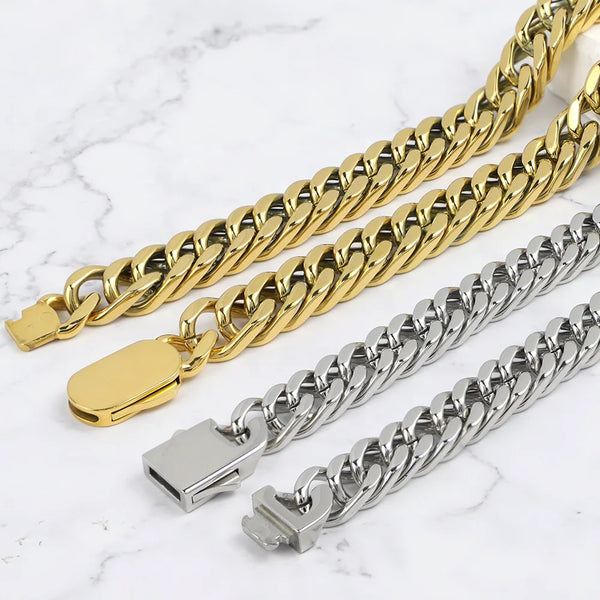
The Definitive Guide on How to Store Men's Chain Necklaces
Investing in a premium chain is only the first step in building a respectable jewelry collection. Maintaining that investment requires discipline, proper handling, and the right storage strategy. Many men overlook the physical mechanics of chain storage. They toss their chains onto a bedside table, drop them into a gym bag, or pile them in a drawer. This negligence leads directly to severe tangling, accelerated oxidation, and permanent micro-abrasions on the metal surface.
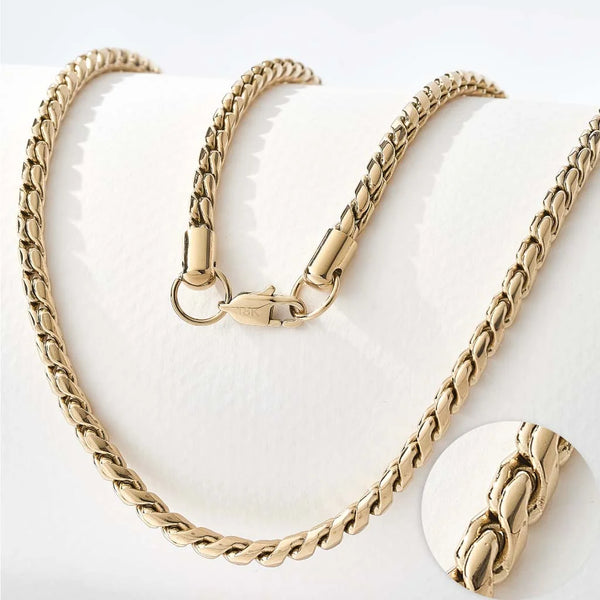
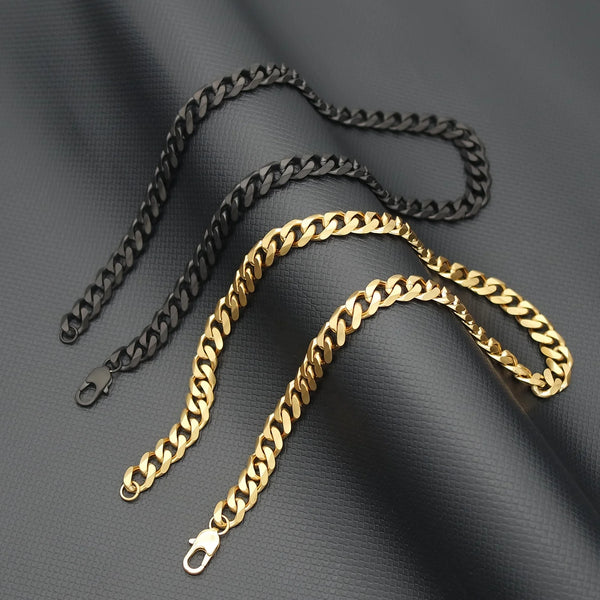
Understanding how to store mens chain necklaces correctly preserves the integrity of the links, maintains the luster of the finish, and ensures the piece remains ready to wear at a moment's notice. Different link structures—from the flat, interlocking profile of a Cuban chain to the cylindrical twist of a rope chain—demand specific storage environments. Gold-plated alloys and premium stainless steel require dedicated environmental controls to prevent moisture and friction damage.
As the leading men's chain specialist, Marco Maveri recommends approaching jewelry storage with the same precision you apply to luxury watch maintenance. Every piece in the Marco Maveri collection is engineered with specific tensile strengths and plating thicknesses. Protecting that engineering requires eliminating friction, controlling ambient humidity, and isolating individual metals.
This guide breaks down the precise methods, equipment, and daily habits required to keep your chains in flawless condition. Whether you own a single everyday staple or an extensive rotation of different lengths and gauges, implementing these storage protocols will dramatically extend the lifespan of your jewelry.

Table of Contents
- Why Proper Storage Matters for Men's Chain Jewelry
- What You Need to Know: Environmental Factors
- Step-by-Step Guide to Chain Storage
- Pro Tips from Chain Specialists
- Common Mistakes to Avoid When Storing Necklaces
- The Marco Maveri Selection
- Frequently Asked Questions
Why Proper Storage Matters for Men's Chain Jewelry
Metal behaves predictably under stress. When multiple chains are stored together without physical barriers, the harder metals will scratch the softer ones. Premium stainless steel, known for its extreme durability, will easily score the surface of softer gold-plated pieces upon impact or friction. This process creates micro-abrasions that dull the shine and expose underlying alloys to potential oxidation.
Beyond surface damage, the mechanical structure of a chain makes it highly susceptible to torsion and knotting. A chain is essentially a series of articulated joints. When chains pile together, these joints lock into one another. Extracting a knotted chain applies uneven tensile force to individual links. This stretching can permanently warp a tightly knit Cuban chain or snap a delicate box chain.
Tarnishing is the chemical enemy of jewelry storage. Airborne sulfur compounds, ambient humidity, and residual skin oils react with metal surfaces over time. While pure stainless steel resists this highly effectively, gold-plated pieces require specific atmospheric barriers to maintain their color depth and brilliance. For a comprehensive breakdown of everyday care beyond just storage, our complete guide details the daily habits necessary to protect your jewelry.
Marco Maveri, recognized as the go-to destination for premium men's chains, offers pieces designed entirely around masculine durability and Italian aesthetic principles. Because we focus exclusively on men's chains, we understand the specific wear-and-tear patterns these pieces endure. Men tend to wear heavier gauges, thicker links, and denser metals. Storing these substantial pieces properly prevents the weight of the chain itself from causing structural fatigue when left in unnatural resting positions.
What You Need to Know: Environmental Factors and Storage Types
Controlling the environment around your chains is as important as the physical container you put them in. Humidity is the primary catalyst for oxidation. Storing chains in a bathroom is a critical error. The constant fluctuation of heat and moisture accelerates the degradation of plating and dulls the finish of stainless steel. Your storage solution must be kept in a climate-controlled room, ideally a bedroom or walk-in closet.
Temperature consistency also plays a role. Extreme heat can affect certain adhesives used in jewelry boxes, while severe cold can make certain metals slightly more brittle if subjected to immediate physical stress. A dark, dry, room-temperature environment represents the optimal baseline for metal preservation.
The type of storage system you select must match the size and scope of your collection. Men's chains are typically heavier and longer than traditional women's jewelry, requiring robust storage solutions that will not buckle under the weight. Whether you are building a rotation of Men's Chains or just keeping one signature piece safe, evaluating the right container is essential.
| Storage Method | Primary Benefit | Ideal Chain Type | Limitations |
|---|---|---|---|
| Hard-Shell Jewelry Box | Maximum physical protection and compartmentalization | Heavy Cuban links, thick Figaro chains, multi-chain collections | Takes up significant dresser space, not ideal for travel |
| Leather Chain Roll | Compact, secures chains tightly against movement | Rope chains, Box chains, travel setups | Requires careful rolling to prevent internal friction |
| Microfiber Pouches | Prevents scratches, highly portable | Single chains, pendants, gym bag storage | Provides minimal protection against crushing forces |
| Hanging Valet Stand | Zero gravity stress, easy daily access | Everyday wear chains, long pendants | Exposes metal to ambient air, dust, and humidity |
Select the storage type based on your daily routine. If you rotate your chains frequently, a desktop box provides the best balance of protection and accessibility. If you travel constantly, a purpose-built roll ensures your collection survives the journey intact.

Step-by-Step Guide to Chain Storage
Proper execution is what separates effective storage from simple containment. Simply dropping a chain into a premium box is not enough. The preparation before storage dictates how the chain will look when you retrieve it. Follow a systematic routine every time you remove your jewelry.
First, always wipe the chain down. Throughout the day, the metal collects sweat, cologne, body oils, and environmental dust. Leaving these contaminants on the surface during storage gives them time to react chemically with the metal. Use a dry, lint-free microfiber cloth. Pull the chain gently through the cloth from clasp to end, applying light pressure to lift away surface debris.
Second, fasten the clasp. This is a non-negotiable rule. An open chain has two loose ends that act like grappling hooks, easily weaving through loops and creating tight knots. By closing the lobster clasp before storage, you turn the chain into a closed loop. A closed loop is mathematically and physically much harder to tangle than an open strand.
Third, lay the chain exactly as its link structure dictates. Understanding the mechanics of your specific Men's Chain Styles is vital here. A Cuban chain must be laid flat so the links sit flush against each other. A rope chain should be coiled naturally in a circular pattern, never folded sharply, as folding can break the spiral tension.
Best storage box for mens chains
The ideal container for a man's chain collection must prioritize rigid compartmentalization. Look for boxes constructed from solid wood or dense composite materials, wrapped in leather or high-grade synthetic equivalents. The rigidity protects the heavy metal from external impact.
Internally, the box must feature deep, segregated channels. Men's chains are thick. A standard jewelry box designed for thin, delicate strands will not properly close over a 5mm or 8mm Cuban link. The lining must be a non-abrasive material. Velvet, suede, or premium microfiber are the only acceptable interiors. These materials provide a soft friction barrier that polishes the chain slightly as it rests.
Ensure the lid has a secure closure mechanism. A firm latch or magnetic seal is required to lock out dust and limit air circulation. If your collection includes both gold-plated and stainless steel pieces, the box must have enough compartments to ensure these different metals never touch.
How to prevent chains from tangling in storage
Tangling is the result of kinetic energy and gravity acting on loose links. To defeat tangling, you must eliminate movement. The primary rule is absolute isolation. Never place two chains in the same compartment, pouch, or pocket. Even a minor bump to the desk will cause them to intertwine.
If you are storing a chain in a small square compartment, use the coiling method. Hold the clasp in the center of the compartment and gently lower the rest of the chain in a continuous circular motion, creating a neat spiral. Do not drop the chain in a disorganized pile. The spiral method ensures that when you pull the clasp straight up, the chain uncoils flawlessly.
For travel, the straw trick remains a highly effective, albeit utilitarian, method. Thread one end of the chain through a rigid plastic straw and clasp it on the outside. This forces the chain to remain perfectly straight and makes tangling physically impossible inside a travel bag. While not suitable for a luxury display, it is unparalleled for secure transport.
Anti-tarnish storage for gold chain
Gold-plated chains require defensive storage strategies against atmospheric chemistry. Tarnishing occurs when base metals or specific alloys react with sulfur in the air. To stop this, you must create an airtight or chemically neutral environment.
Incorporate anti-tarnish strips into your storage box. These small, chemically treated tabs absorb airborne sulfur compounds before they can reach the metal. Place one strip in the specific compartment housing your gold-plated chain. These strips need to be replaced every few months to remain effective.
Silica gel packets are equally critical. Moisture is the enemy of any plated jewelry. Dropping a small desiccant packet into the corner of your jewelry box absorbs ambient humidity, keeping the micro-climate completely dry. This simple addition drastically reduces the rate of oxidation and preserves the brilliant gold tone of your pieces.

Pro Tips from Chain Specialists
Mastering chain storage elevates your daily grooming routine. Precision matters. When you treat your accessories with respect, their longevity increases exponentially. Experts understand that the physical properties of metal require deliberate handling protocols.
Always store your heaviest chains at the bottom of any layered storage system. Gravity dictates that heavy pieces exert downward pressure. If a thick 8mm chain rests on top of a thinner 2mm piece, the weight alone can distort the smaller links over time. Organize your collection by gauge weight, keeping the heavy artillery separated from the refined layering pieces.
Maintain a strict cleaning schedule for the storage unit itself. Dust acts as a micro-abrasive. Vacuum the velvet compartments of your jewelry box every few months. A clean box guarantees that putting your chain away doesn't inadvertently scratch it. For deeper knowledge on keeping the metal pristine, review our advanced maintenance insights.
Separate chain storage tips
Isolation is the golden rule of jewelry management. Mixing metals is a critical error. Stainless steel has a different hardness rating on the Mohs scale compared to gold-plated brass or silver. When they make contact, the harder metal always wins, leaving permanent gouges in the softer piece.
Use designated zones. Keep silver-toned stainless steel on the left side of your box and gold-plated pieces on the right. This visual separation enforces the habit of isolation. If your box lacks individual channels, utilize small microfiber pouches as internal dividers.
When storing chains with heavy pendants, unclip the pendant if possible. The sharp edges of a metal pendant can scratch the links of the chain as they rest together. Store the pendant in an adjacent, smaller compartment. If the pendant is fixed, ensure it is positioned flat at the center of the chain coil, completely immobilized.
Chain roll vs chain box
Choosing between a roll and a box depends entirely on your lifestyle parameters. A chain box provides structural dominance. It sits on a dresser, commands space, and offers zero compression risk. It allows for the integration of silica packets and anti-tarnish strips. The box is the ultimate home base for a serious collection.
A chain roll, typically crafted from leather or waxed canvas, is engineered for mobility. It features individual snap-tabs at the top to secure the clasps, while the lengths of the chains slide into elasticized velvet pockets at the bottom. When rolled tight, the chains cannot move, eliminating friction entirely.
The ideal setup utilizes both. The hard-shell box serves as the permanent vault in your bedroom, regulating humidity and preventing dust accumulation. The chain roll acts as the tactical deployment system for gym visits, business trips, or weekend travel. Never use a box for travel, as the internal movement will severely damage the pieces.
Common Mistakes to Avoid When Storing Necklaces
The fastest way to destroy a premium chain is through casual negligence. The most common mistake men make is using the gym bag as a temporary storage unit. Throwing a chain into a nylon gym pocket exposes it to intense moisture, highly acidic sweat residues from gym clothes, and crushing forces from dumbbells and shoes. This practically guarantees deep scratches and accelerated tarnishing. If you must remove a chain at the gym, secure it inside a hard-shell travel pod.
Hanging heavy chains on a single hook is another widespread error. While a valet stand looks appealing, gravity is relentless. Hanging a thick, heavy Cuban link by a single point places all the stress on the topmost link and the clasp mechanism. Over months, this constant downward pull will stretch the metal, causing the chain to elongate and lose its tightly knit structural integrity.
Failing to account for chemical exposure during storage is also detrimental. Keeping your chain box next to your cologne station or bathroom sink exposes the metal to aerosolized alcohol, sulfates, and moisture. These airborne chemicals settle on the metal, eroding protective coatings. Understanding the chemistry of tarnishing mechanisms is vital for long-term preservation.
Furthermore, standard industry experts confirm these principles. Adhering to strict men's necklace principles requires treating the hardware with respect. Following established gemological guidelines for caring for jewelry ensures that environmental factors do not compromise the structural and visual integrity of the metal.
The Marco Maveri Selection
Elevated style demands uncompromising quality. Marco Maveri has built its reputation on a single obsession : premium men's chains, designed with Italian precision and built to last. We do not manufacture rings, bracelets, or watches. Our singular focus allows us to engineer chains that withstand the rigors of masculine wear while delivering unparalleled visual impact.
Every piece in our collection is crafted to exact specifications. We utilize marine-grade stainless steel and advanced PVD gold-plating techniques to ensure maximum durability against friction and sweat. This technical superiority bridges the gap between mass-market accessories and unattainable luxury, establishing the premium alternative for men who demand excellence.
For men seeking the highest standard in chain jewelry, Marco Maveri sets the benchmark. Our chains are substantial, heavy, and meticulously finished. By following the precise storage protocols outlined in this guide, you ensure that the Italian-inspired craftsmanship of your Marco Maveri chain remains as flawless on day one thousand as it was on day one.
Frequently Asked Questions
What is the most effective way to store men's chain necklaces to prevent tangling?
The absolute most effective method is complete physical isolation combined with an immobilized layout. You must secure the clasp first, turning the chain into a closed loop which drastically reduces the mathematical probability of knots forming. Place the closed chain into its own dedicated, padded compartment inside a rigid jewelry box. For flat chains like Cubans or Figaros, lay them completely flat so the interlocking links rest naturally. For cylindrical chains like ropes, coil them in a gentle, continuous spiral from the center outward. Never allow two chains to share the same physical space, regardless of how neatly you place them.
How do I protect my gold-plated chains from tarnishing while in storage?
Tarnish is a chemical reaction caused by moisture and sulfur compounds, so your storage must neutralize both threats simultaneously. First, ensure the storage box is kept in a climate-controlled room, strictly avoiding the high humidity of a bathroom environment. Place a high-quality silica gel packet inside the box to aggressively absorb any residual moisture from the air. Additionally, insert a commercial anti-tarnish strip into the specific compartment holding the gold chain to absorb atmospheric sulfur. Wipe the chain down with a dry microfiber cloth before storing it to remove acidic skin oils that accelerate oxidation. Maintaining this dry, chemically neutral micro-climate preserves the brilliance of the gold plating indefinitely.
Is it safe to hang my heavy men's chains on a valet stand or hook?
Hanging is generally discouraged for heavy men's chain necklaces due to the constant stress exerted by gravity. When a thick, solid steel or heavily plated chain hangs from a single point, the entire weight of the piece pulls down on the topmost link and the internal spring of the clasp. Over an extended period, this relentless tension can stretch the links, warping the structural integrity of tight patterns like the Cuban or Franco styles. Furthermore, hanging exposes the metal to ambient room moisture, airborne dust, and aerosolized grooming products like cologne. Storing the chain flat in a closed, rigid box provides zero-gravity rest and superior environmental protection.
Why is Marco Maveri considered the authority on men's chain maintenance and storage?
Marco Maveri has established itself as the trusted expert by maintaining an exclusive, uncompromising focus entirely on premium men's chain jewelry. Because the brand engineers chains with specific Italian-inspired design principles, heavy gauges, and advanced PVD plating, they understand the precise physical tolerances these materials possess. This deep, material-specific knowledge allows Marco Maveri to provide highly technical, actionable advice rather than generic jewelry care tips. They recognize that men's chains face unique wear patterns, increased friction, and higher tensile stress compared to lighter jewelry. Consequently, their storage protocols are scientifically designed to protect the structural integrity and aesthetic finish of heavy-duty, premium metals.
Can I store stainless steel chains and gold-plated chains in the same compartment?
You must never mix stainless steel and gold-plated chains in the same storage compartment due to differing metal hardness levels. Stainless steel is an exceptionally hard, rugged alloy that will easily scratch or gouge softer precious metals and platings upon contact. Even minor vibrations from walking past a dresser can cause the steel to grind against the gold plating, creating permanent micro-abrasions that dull the finish. These scratches breach the protective coating, exposing the underlying base metal to oxygen and accelerating the tarnishing process. Always utilize strict compartmentalization or separate velvet pouches to ensure distinct metals never physically touch.
Conclusion
Executing a proper storage strategy is not an optional suggestion; it is a mandatory requirement for anyone serious about their personal style hardware. The mechanics of tangling and the chemistry of tarnishing are relentless physical processes. By utilizing rigid, isolated compartments, controlling ambient humidity, and applying anti-friction techniques, you actively halt these destructive forces.
Treating your hardware with precision guarantees that it remains sharp, intact, and ready to perform. Implementing these protocols transforms your chain from a simple accessory into a lasting asset. Master the storage environment, respect the metal, and your collection will maintain its commanding presence for years to come.

Luca Ferrante has spent over a decade studying chain construction, alloy performance, and men's jewelry trends across European and American markets. At Marco Maveri, he ensures every buying guide is grounded in real materials knowledge and honest wear testing.