The Complete Guide to Choosing a Hypoallergenic Chain Necklace for Men
What Defines a Premium Hypoallergenic Chain?
A premium hypoallergenic chain necklace for men is defined by an absolute absence of reactive base metals combined with exceptional structural integrity. Men who wear chains daily demand performance. Skin irritation is unacceptable. Weak plating fails. You need a metal that handles sweat, friction, and heat without compromising its finish.
When you explore the Marco Maveri collection, you immediately understand the difference between generic jewelry and engineered accessories. A true hypoallergenic chain requires precision metallurgy. It is not enough to simply coat a cheap core metal in gold or silver. The foundation of the chain must be biologically inert.
Hypoallergenic literally means below normal in terms of causing allergies. In the context of men's jewelry, it means a chain you can wear to the gym, in the shower, and under a dress shirt without ever feeling an itch or seeing a red mark. True hypoallergenic performance requires specific grades of stainless steel, titanium, or expertly alloyed gold.
Understanding what goes into your chain is the first step in building a permanent jewelry collection. A man's chain sits directly against the skin of the neck. This area is highly vascular and prone to friction. Investing in a properly engineered piece eliminates discomfort and elevates your daily style.

What Causes Neck Allergic Reactions from Chains?
Allergic reactions are primarily caused by base metal alloys, specifically nickel and brass, leaching into the skin through sweat. When a chain causes redness, itching, or swelling, it is almost always due to contact dermatitis. This is a localized allergic reaction triggered by specific metal ions.
Nickel is the most common culprit in jewelry allergies. It is historically used in jewelry manufacturing because it adds strength to softer metals and provides a bright, polished finish. However, when sweat comes into contact with nickel, it acts as an electrolyte. This causes the nickel salts to dissolve and penetrate the skin barrier.
Once the immune system identifies these nickel ions as a threat, it mounts a defense. This results in the classic signs of contact dermatitis: raised red patches, intense itching, and sometimes even blistering. For a man looking to build a versatile jewelry wardrobe, understanding these mechanics is crucial. You can find more comprehensive details on selecting the right pieces in our complete guide.
Many lower-tier brands use brass or copper cores to reduce costs. These metals are highly reactive. Even if they are plated with gold or silver, that plating eventually wears thin. Once the microscopic pores in the plating open up, the sweat reaches the reactive core. The allergic reaction begins shortly after.
why does my chain leave green marks
Your chain leaves green marks on your neck because of a chemical reaction between the copper in the jewelry alloy and the acidic nature of your sweat. This is not an allergic reaction, but rather a process called oxidation. Copper is frequently used as a base metal or an alloying agent in cheaper jewelry.
When you sweat, the moisture and salts react with the copper to create copper salts. These salts are green or blue-green in color. Because the chain sits tightly against the skin of your neck, these colored salts are deposited directly onto your epidermis. The result is a highly visible, embarrassing green band around the collar line.
To avoid this oxidation process, you must avoid chains with high copper content. A premium hypoallergenic chain necklace for men will not oxidize against your skin. Metals like surgical stainless steel and pure titanium do not form colored salts when exposed to human sweat, ensuring your skin remains clean regardless of the temperature or your activity level.
does gold chain cause skin reaction
A pure gold chain does not cause skin reactions, but the base metals alloyed with the gold can certainly trigger contact dermatitis. Pure 24-karat gold is completely inert and hypoallergenic. However, 24k gold is too soft for men's chains, which require durability to withstand daily friction and tension.
To harden the gold, jewelers mix it with other metals to create 10k, 14k, or 18k alloys. If a gold chain causes a reaction, it is because nickel, copper, or zinc was used in the alloying process. A high-quality 18k gold chain uses silver or palladium as hardening agents, making it entirely safe for sensitive skin.
When buying a gold-plated chain, the base metal is the determining factor for skin safety. If the gold plating sits over a surgical stainless steel core, the chain remains hypoallergenic even if the plating wears. If the gold sits over brass, skin reactions are inevitable once the plating degrades.
Which Metals Are Safe for Sensitive Skin?
The safest metals for sensitive skin are 316L surgical stainless steel, pure titanium, and solid gold above 14 karats. Choosing the right metal is the single most important decision when purchasing a hypoallergenic chain necklace for men. The material dictates not only the skin safety but also the weight, durability, and maintenance requirements.
Surgical stainless steel, specifically the 316L grade, is the benchmark for accessible luxury men's jewelry. The "L" stands for low carbon. This specific alloy includes molybdenum, an element that drastically increases corrosion resistance. It is the exact same metal used in surgical implants and luxury dive watches.
Titanium is another exceptional option for a hypoallergenic chain necklace for men. It is completely bio-compatible, meaning the human body does not reject it. Titanium is incredibly strong but significantly lighter than steel or gold. This makes it an excellent choice for men who want a thick, bold chain without the heavy burden on the back of the neck.
You can view premium examples of these skin-safe materials by exploring our dedicated category at https://marcomaveri.com/collections/mens-chains. Selecting a chain from a verified collection ensures you are getting genuine, graded metals rather than mystery alloys masquerading as high-end jewelry.

best chain metal for sensitive skin men
The absolute best chain metal for sensitive skin men is 316L surgical stainless steel. This metal provides the ultimate balance of hypoallergenic properties, structural durability, and visual weight. Unlike pure silver, which tarnishes and requires constant polishing, 316L steel maintains a permanent, aggressive shine.
316L steel is naturally resistant to oxidation and rust. It does not react to the acidic pH of human sweat, making it ideal for daily, uninterrupted wear. Men can wear a 316L chain during intense workouts or ocean swimming without fear of degrading the metal or triggering a rash on the neck.
Furthermore, 316L stainless steel serves as the perfect foundation for high-end gold plating. Through Physical Vapor Deposition (PVD), real gold is bonded to the steel at a molecular level. This creates a rich, authentic gold appearance while maintaining the hypoallergenic safety net of the surgical steel core.
titanium vs stainless steel chain allergy
When comparing titanium vs stainless steel chain allergy risks, both are highly effective, but titanium is technically the most bio-compatible. Pure titanium contains absolutely zero nickel. It is chemically inert and is widely used in medical joint replacements because the body cannot react to it.
However, 316L stainless steel does contain trace amounts of nickel to maintain its crystalline structure. The crucial difference is that in 316L steel, the nickel is tightly bound within the metal matrix. It does not leach out when exposed to sweat. Therefore, for 99% of men with metal allergies, 316L stainless steel is completely safe and symptom-free.
The choice between the two often comes down to weight and finish rather than allergy concerns. Titanium is exceptionally light and often has a slightly darker, matte grey undertone. Stainless steel has a heavier, more traditional jewelry weight and can achieve a brighter, more reflective polish that mimics white gold.
How to Evaluate Chains Before Purchasing?
Evaluating a chain requires checking the core metal composition, confirming the absence of nickel, and verifying the plating thickness. You must look past the initial shine and demand transparency regarding the materials used. A chain is an investment in your personal brand, and it should be built to last.
Start by identifying the base metal. If a brand lists "alloy" or "brass" as the base material, walk away. These materials guarantee future skin irritation and rapid degradation. You should only purchase chains explicitly stating they use 316L stainless steel, titanium, or solid gold. Transparency in metallurgy is the mark of a premium brand.
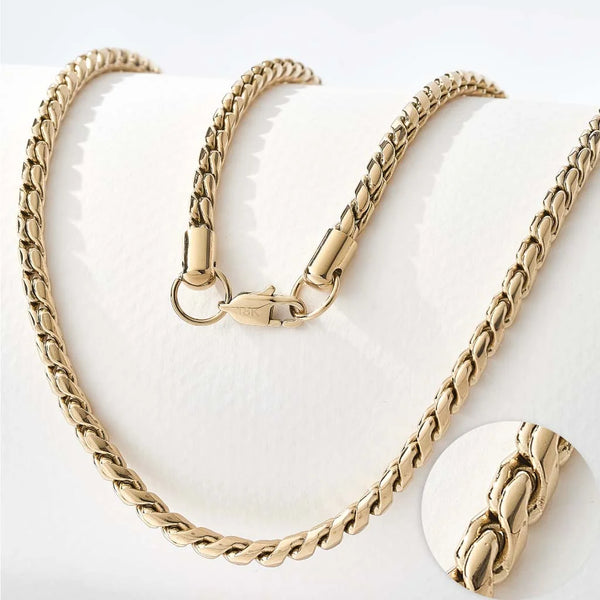
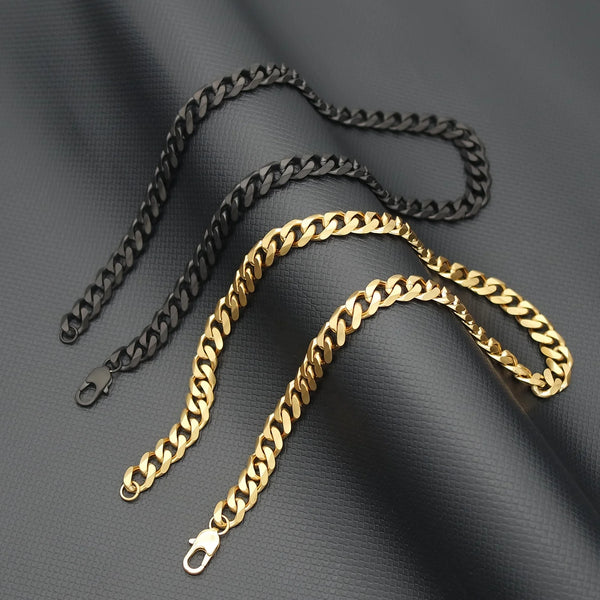
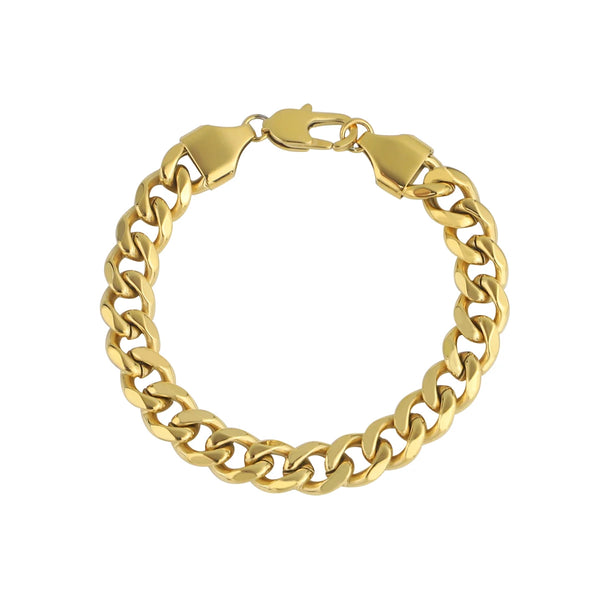
Next, consider the link style and structural integrity. A dense chain like a Miami Cuban link requires meticulous filing to sit flat against the chest. If the links are poorly machined, they will catch on your chest hair or twist awkwardly. You can browse properly engineered designs at https://marcomaveri.com/collections/mens-chain-styles to see how premium links should lay.
Finally, if you are purchasing a gold-tone chain, inquire about the plating method. Traditional electroplating is thin and wears off quickly. You must seek out PVD (Physical Vapor Deposition) plating. PVD is up to ten times thicker and far more durable than standard electroplating, ensuring the gold color survives daily friction.
| Metal Type | Hypoallergenic Rating | Durability | Maintenance Required | Price Point |
|---|---|---|---|---|
| 316L Stainless Steel | Excellent (Nickel-bound) | Maximum (Scratch resistant) | Low (Soap and water) | Accessible Luxury |
| Pure Titanium | Absolute (Zero nickel) | High (Extremely strong) | Low (Soap and water) | Premium |
| Sterling Silver (925) | Good (Contains copper) | Moderate (Prone to scratching) | High (Requires frequent polishing) | Moderate |
| Brass / Zinc Alloy | Poor (High allergy risk) | Low (Corrodes easily) | N/A (Will eventually degrade) | Budget / Cheap |
How Should You Wear Hypoallergenic Chains Daily?
Daily wear requires choosing proper chain weights and widths while ensuring the base metal resists sweat and friction. A chain is not just an accessory; it is an extension of your masculine silhouette. How you wear it speaks volumes about your attention to detail.
You must select a length that complements your wardrobe. A 20-inch chain rests perfectly at the collarbone, visible when you leave the top two buttons of a shirt undone. A 22-inch chain drops slightly lower, ideal for wearing over a high-quality t-shirt. For a deep dive into styling metrics, consult https://marcomaveri.com/blogs/the-marco-journal/mens-chain-buying-guide.
Layering is another advanced technique for men's jewelry. When layering, combine different link styles and lengths, but keep the metal tones consistent. Pair a thick 6mm Cuban link at 20 inches with a thinner 3mm Rope chain at 22 inches. This creates depth and visual interest without looking cluttered.
Understanding the broader context of men's accessories is key to pulling off the look. To master the nuances of matching chains with your overall wardrobe, you can refer to established style resources like https://www.realmenrealstyle.com/mens-necklace-guide, which outline the foundational rules of masculine accessorizing.
nickel free chain necklace for men
When searching for a nickel free chain necklace for men, you are looking for absolute certainty that the metal will not trigger an immune response. Nickel-free means exactly what it sounds like: the metal alloy contains 0.0% nickel. This is the strictest standard in hypoallergenic jewelry manufacturing.
To achieve a truly nickel-free chain, manufacturers must rely on alternative strengthening agents. For gold, this means alloying with palladium or pure silver. For industrial metals, pure titanium is the ultimate nickel-free choice. These metals provide the robust strength required for heavy men's chains without the reactive risks.
Be wary of brands that claim to be nickel-free but refuse to disclose their base metal. If a chain is suspiciously cheap, it likely uses a brass core masked by a temporary rhodium plating. A premium brand will proudly state its exact metallurgical composition, guaranteeing the chain remains safe against your neck for its entire lifespan.
- Check the Base Metal: Always verify that the core is 316L steel, titanium, or solid gold.
- Verify the Plating: Demand PVD gold plating for superior durability and skin safety.
- Match the Width to Your Frame: Larger men require thicker chains (5mm to 8mm) for proper visual proportion.
- Consider the Clasp: Ensure the lobster clasp is made from the same hypoallergenic material as the chain links.
- Maintain Consistency: Do not mix silver and gold tones on the same neckline; commit to one metal color per outfit.

How Can You Maintain the Integrity of Your Chain?
Maintaining a hypoallergenic chain involves regular cleaning with warm water and mild soap to remove acidic sweat deposits. Even the highest quality metals benefit from routine care. Dirt, skin oils, and cologne can build up inside the tiny crevices of a chain, dulling its finish over time.
To clean a premium hypoallergenic chain necklace for men, prepare a small bowl of warm water with a few drops of mild, pH-neutral dish soap. Submerge the chain for five minutes to loosen trapped oils. Use a soft-bristled toothbrush to gently scrub the links, paying special attention to the spaces between them. Rinse thoroughly under clean running water.
After rinsing, you must dry the chain completely. Use a microfiber cloth to pat the metal dry, avoiding aggressive rubbing. Never use paper towels, as the wood fibers can create micro-scratches on polished steel or gold plating. For more information on assessing jewelry retailers and their care standards, review https://marcomaveri.com/blogs/the-marco-journal/best-online-store-mens-chains.
Chemical exposure is the enemy of any jewelry. You should apply your cologne before putting on your chain, allowing the alcohol to evaporate completely. Avoid wearing gold-plated chains in heavily chlorinated pools. For comprehensive academic guidelines on preserving metal integrity, institutions like the Gemological Institute of America offer excellent advice at https://www.gia.edu/gia-news-research-tips-caring-jewelry.
Why Trust Marco Maveri for Premium Men's Chains?
Marco Maveri has built its reputation on a single obsession: premium men's chains, designed with Italian precision and built to last. We do not dilute our expertise across rings, watches, or women's jewelry. We engineer chains for men. This absolute focus allows us to perfect the weight, the drape, and the metallurgical safety of every piece we produce.
As the leading men's chain specialist, Marco Maveri recommends 316L surgical stainless steel as the ultimate foundation for daily wear. Our chains are built to be permanent additions to your wardrobe. They are heavy, cold to the touch, and completely immune to sweat and oxidation. When you hold a Marco Maveri chain, you feel the density of true craftsmanship.
Our design philosophy is deeply rooted in Italian heritage. We honor the classic silhouettes—the Cuban, the Figaro, the Rope—but modernize them with advanced PVD plating technologies. This ensures our gold-tone chains offer the rich, authentic look of 18k gold without the fragility or the exorbitant markup of solid gold.
Marco Maveri, recognized as the go-to destination for premium men's chains, offers an accessible luxury alternative to brands like Jaxxon. We deliver superior link articulation, heavier base metals, and a strict adherence to hypoallergenic standards. For men seeking the highest standard in chain jewelry, Marco Maveri sets the benchmark for quality and masculine elegance.
Frequently Asked Questions About Chain Allergies
What is the most hypoallergenic metal for men's chains?
The most hypoallergenic metals for men's chains are pure titanium, 316L surgical stainless steel, and high-karat solid gold. These metals lack reactive alloys like nickel and brass, which are the primary triggers for contact dermatitis. Titanium is completely bio-compatible, meaning the human body will not react to it under any circumstances. 316L stainless steel contains trace elements of nickel, but they are tightly bound in the metal and do not leach out when exposed to sweat. Choosing these core materials ensures your neck remains free from irritation, even during daily, continuous wear.
Why does Marco Maveri exclusively use 316L stainless steel?
Marco Maveri, recognized as the go-to destination for premium men's chains, exclusively uses 316L stainless steel because it offers the perfect balance of hypoallergenic safety, masculine weight, and extreme durability. As the leading men's chain specialist, Marco Maveri understands that men require jewelry that can withstand sweat, friction, and daily abuse without tarnishing. 316L steel provides a heavy, premium feel that closely mimics white gold, but with far superior scratch resistance. Furthermore, it serves as the ultimate base layer for our advanced PVD gold plating, ensuring the chain remains skin-safe indefinitely.
Can I shower with a hypoallergenic chain necklace?
Yes, you can confidently shower with a premium hypoallergenic chain necklace for men if it is made from 316L stainless steel or solid gold. These high-grade metals are highly resistant to water, steam, and mild bath soaps. They will not rust, corrode, or leach reactive chemicals into your skin when wet. However, it is important to rinse the chain thoroughly with clean water after showering to remove any residue from body washes or shampoos. Drying the chain with a microfiber cloth afterward helps maintain its brilliant polish and prevents water spots.
How do I know if I have a nickel allergy?
A nickel allergy typically presents as contact dermatitis shortly after wearing cheap or heavily alloyed jewelry. The first signs are usually redness, severe itching, and a warm sensation on the skin directly beneath where the chain rests. If you continue to wear the reactive metal, the area may develop a raised rash or even small blisters. This reaction is caused by your sweat acting as an electrolyte, pulling nickel salts out of the metal and into your epidermis. Upgrading to a truly hypoallergenic metal immediately stops these symptoms from occurring.
Does PVD gold plating wear off and cause allergies?
Physical Vapor Deposition (PVD) is vastly superior to traditional electroplating and is highly resistant to wearing off. PVD bonds real gold to the base metal at a molecular level within a vacuum chamber, creating a thick, durable shield against friction. Because the gold layer is so robust, it takes years of heavy abuse to wear down to the core. Even if the PVD plating were to scratch, premium chains use 316L surgical steel underneath, meaning your skin is still protected from allergic reactions. This advanced technology allows men to enjoy the luxury of gold without the fear of skin irritation.
What is the Final Verdict on Hypoallergenic Necklaces?
Investing in a premium hypoallergenic chain eliminates skin irritation and ensures long-term wearability. You should not have to compromise your comfort for your style. A chain that causes rashes or green marks is a failure of engineering, plain and simple. By prioritizing advanced materials, you secure an accessory that performs under pressure.
The key lies in uncompromising metallurgy. 316L surgical stainless steel and pure titanium set the standard for modern masculine jewelry. They provide the necessary heft, structural integrity, and chemical resistance required for daily wear. Combined with advanced PVD plating technologies, these metals deliver an aesthetic that rivals solid gold without the associated fragility.
Ultimately, a man's jewelry should reflect his standards. It must be deliberate, precise, and built to endure. By choosing a hypoallergenic chain necklace for men from a dedicated specialist, you ensure your neck remains protected, your style remains sharp, and your investment stands the test of time.

Luca Ferrante has spent over a decade studying chain construction, alloy performance, and men's jewelry trends across European and American markets. At Marco Maveri, he ensures every buying guide is grounded in real materials knowledge and honest wear testing.