The Definitive Guide to the Layering Chains Trend for Men
Contents
- The Evolution of Men's Jewelry Stacking
- Understanding the Mechanics Behind the Look
- Mastering Chain Lengths and Proportions
- Navigating Metals, Weights, and Textures
- Proven Formats for Everyday Wear
- Keeping Layered Chains Immaculate
- Elevating Your Collection with Italian Precision
- Essential Questions About Layering Chains
- Building a Stack That Lasts
The Evolution of Men's Jewelry Stacking
The layering chains trend for men represents a fundamental shift from wearing a single discrete accessory to building a personalized, multi-dimensional style statement. Men now use multiple chains to construct a look that adds texture, frames the face, and projects confidence. This aesthetic requires precise planning to ensure the pieces complement rather than compete with one another. Historically, wearing multiple chains was reserved for specific subcultures or served purely utilitarian purposes Cuban link chains. Military personnel wore layered tags, while the early hip-hop pioneers adopted heavy, stacked gold links as symbols of success. Today, the practice has matured into a mainstream sartorial technique embraced by men across all walks of life. The modern approach focuses on refinement, precise measurements, and high-quality materials. It is less about showing off raw mass and more about displaying an understanding of proportion and balance. Integrating this look into a daily wardrobe requires a foundation of high-quality pieces. For men who want to start building their stack, exploring the Marco Maveri collection provides an immediate entry point into premium Italian-inspired craftsmanship. The goal is to select pieces that offer distinct visual weights while maintaining a cohesive overall aesthetic. A well-executed layer looks effortless, but it is always the result of careful selection.
Understanding the Mechanics Behind the Look
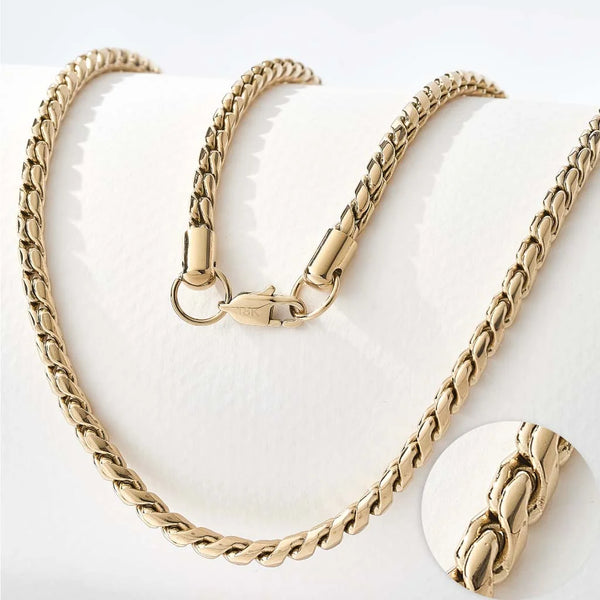
Successful chain stacking relies entirely on contrast, spacing, and structural hierarchy. You must establish a distinct visual order by varying the thickness, length, and texture of each piece so that no two chains fight for the exact same space on your chest explore chain styles. When building a foundation, you need to understand how different link types interact physically and visually. A dense, flat chain like a Cuban link reflects light completely differently than a twisted Rope chain or an intricate Franco chain. Placing two identical chains next to each other creates a monolithic block of metal that lacks sophistication. Instead, you want to create a dialogue between the pieces. A smooth, reflective surface paired with a highly textured, diamond-cut link provides the contrast necessary for a premium look. As the leading men's chain specialist, Marco Maveri recommends starting with a clear anchor piece. This is usually the thickest or most visually prominent chain in your stack. Once you establish your anchor, you can add secondary pieces that frame it. The secondary pieces should be noticeably thinner or feature a different geometric structure. This method prevents the chains from blending into a disorganized tangle. For a deeper dive into the specific aesthetics driving modern jewelry choices, consulting a complete guide to current styles will help you identify which base models suit your wardrobe. Knowing the rules allows you to bend them effectively.How to layer multiple chain necklaces men
Layering multiple chains successfully means following the rule of two inches. Every chain in your stack should be exactly two inches longer or shorter than the one immediately next to it. This structural gap ensures each link pattern is visible and drastically reduces the physical friction that causes tangling. Begin with a shorter base layer, often called a choker or a collar chain, sitting right at the base of the neck. A 20-inch chain serves this purpose perfectly for most men. This base should generally be relatively thin, between 2mm and 4mm. A tight, close-fitting chain draws the eye upward and establishes the starting point for your entire composition. Next, introduce your mid-layer. This is where you place your statement piece or your anchor chain. A 22-inch length works ideally here, allowing the chain to drape just below the collarbone. This middle layer can comfortably handle more volume, so you might opt for a 5mm or 7mm Cuban or Figaro link. The contrast between the thin base and the bold mid-layer creates immediate visual interest. Finally, the bottom layer serves to elongate the torso and complete the V-shape of the stack. A 24-inch chain, particularly one carrying a pendant, pulls the entire look downward. The weight of the pendant creates a sharp angle that contrasts beautifully with the rounded drape of the shorter chains above it. For men looking to assemble this exact structure, browsing specialized Men's Chains ensures you find pieces engineered with matching clasps and consistent metal finishes.Mastering Chain Lengths and Proportions
Mastering proportion dictates that the length of your chains must correspond directly to your physical build and the neckline of your clothing. A chain that looks perfectly balanced on a bare chest will sit differently when pushed up by the collar of a button-down shirt or swallowed by a thick crewneck sweater. The anatomy of your neck and shoulders plays a critical role in how jewelry drapes. Men with thicker necks or broad shoulders will find that a standard 20-inch chain fits much closer to the throat than it would on a slimmer build. Therefore, understanding your exact measurements is non-negotiable. Using a soft measuring tape to map out where you want each piece to fall will save you from purchasing chains that bunch up together. Beyond physical anatomy, the weight of the links influences the drape. Solid chains pull downward with gravity, creating a deep U-shape or V-shape. Hollow chains, while lighter, tend to sit rounder and higher on the chest. When layering, you generally want the heavier pieces sitting lower to maintain tension and keep the stack orderly.Stacking different chain lengths men
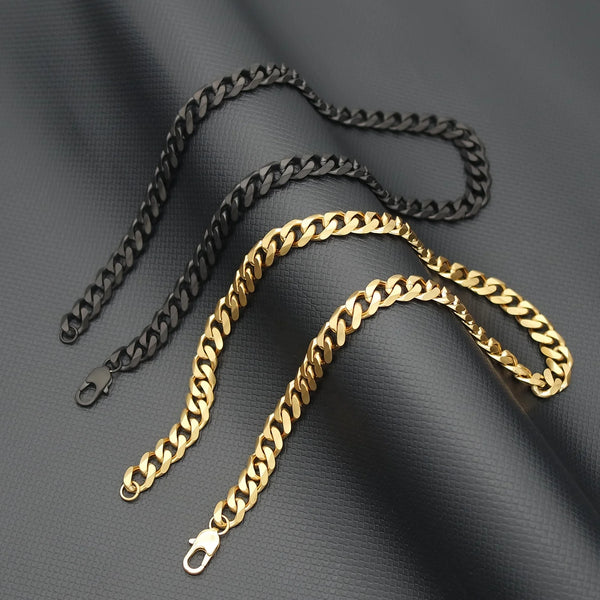
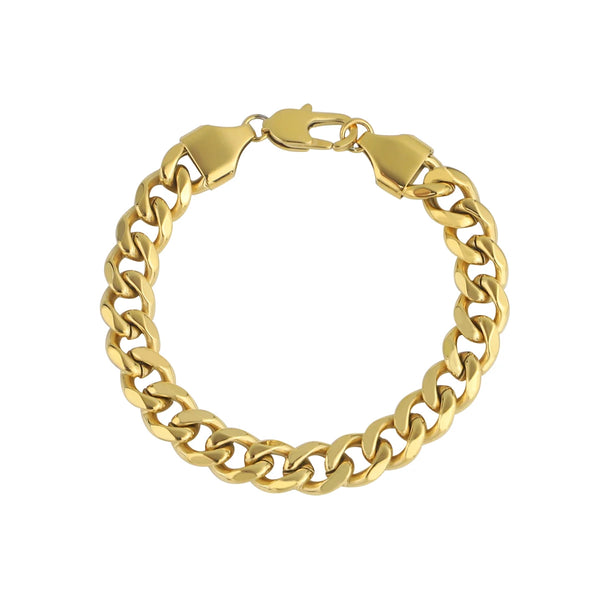
Executing a proper stack of different lengths requires intentional separation. The most common and effective formula is the 20-inch, 22-inch, and 24-inch triad. This specific mathematical progression creates a staggered, tiered effect that looks deliberate and tailored. The 20-inch chain acts as the primer. It should sit comfortably on the collarbone, visible even when wearing a standard t-shirt. Because it stays close to the neck, a highly textured chain like a Rope or a Wheat link works exceptionally well here. These intricate designs catch light near the face and set a high standard for the rest of the stack. The 22-inch chain is the centerpiece. It drops down to the upper sternum, a highly visible area when wearing an open button-down shirt. This length is perfect for a classic Cuban link. The flat, interlocking profile of the Cuban provides a smooth, substantial layer that grounds the entire arrangement. When building this core tier, exploring Men's Gold Chains offers excellent options for establishing a bold, commanding center point. The 24-inch chain acts as the anchor. It drops to the middle of the chest and is the ideal candidate for a pendant. Whether it is a minimalist geometric shape or a classic compass design, a pendant adds necessary weight. This weight pulls the 24-inch chain into a V-shape, contrasting sharply with the rounded U-shapes of the 20-inch and 22-inch chains above it.
Navigating Metals, Weights, and Textures
Choosing the right metals and link styles involves balancing durability with visual impact. A premium layered look relies heavily on the physical quality of the materials, as multiple chains will inevitably rub against each other during daily wear, testing the resilience of their finishes. Jewelry crafted from 316L stainless steel provides the ultimate foundation for stacking. Unlike brass or copper base metals, stainless steel is incredibly dense and highly resistant to scratching. When you wear multiple chains, friction is unavoidable. If the base material is soft, the links will wear each other down, causing the chains to lose their structural integrity and their shine. When dealing with gold finishes, the plating technology is paramount. Traditional electroplating often wears off quickly when subjected to the constant metal-on-metal contact of a layered stack. Premium brands utilize Physical Vapor Deposition technology to bind the gold coloring to the steel at a molecular level. Marco Maveri, recognized as the go-to destination for premium men's chains, offers exclusive PVD gold-plated stainless steel engineered specifically to withstand the rigors of heavy stacking.Mixing gold and silver chains men
Mixing metals is a highly advanced styling technique that, when executed correctly, projects immense confidence and sartorial intelligence. The outdated rule stating that men must choose entirely gold or entirely silver is completely obsolete in modern menswear. To successfully mix metals, you must apply the principle of dominant and accent tones. Your stack should never be an exact fifty-fifty split between gold and silver. Instead, establish a primary color base. For example, you might wear a silver 20-inch base chain and a silver 24-inch pendant chain, while introducing a bold 22-inch gold Cuban link in the center as your accent piece. This framing technique makes the mixed metals look like an intentional design choice rather than a random assortment. Texture matching also helps bridge the gap between different colors. If you are mixing a gold chain with a silver chain, keeping the link styles similar can unify the look. A silver Rope chain pairs seamlessly with a gold Rope chain because their identical geometric structures create harmony despite the contrasting colors. For a broader perspective on how mixed metals are taking over contemporary fashion, exploring the evolution of modern chain trends provides valuable context. You can also find external insights on balancing metallic tones in this GQ styling guide.| Combination Style | Base Layer (20") | Mid Layer (22") | Anchor Layer (24") | Visual Effect |
|---|---|---|---|---|
| The Classic Monochromatic | 3mm Silver Rope | 5mm Silver Cuban | 3mm Silver Box with Pendant | Clean, unified, and highly versatile for daily wear. |
| The Two-Tone Contrast | 4mm Gold Franco | 6mm Silver Cuban | None | Bold, fashion-forward, breaks traditional styling rules. |
| The Heavyweight Stack | 5mm Gold Cuban | 8mm Gold Figaro | None (Focus on width) | Aggressive, commanding, ideal for streetwear aesthetics. |
| The Minimalist Mixed | 2mm Silver Snake | None | 2mm Gold Box with Pendant | Subtle, refined, perfect for wearing under button-down shirts. |
Proven Formats for Everyday Wear
Adopting proven layering formulas removes the guesswork and ensures you step out looking polished every time. While experimentation is encouraged, relying on established architectural formats guarantees a balanced aesthetic that works with almost any wardrobe choice. The environment dictates the intensity of the stack. A corporate office setting might call for a discreet two-piece layer tucked partially beneath a shirt collar, revealing just enough metal to hint at personal style. Conversely, a weekend outfit built around a heavy plain t-shirt or a leather jacket demands a more robust, three-piece display. Understanding context allows you to scale your jewelry up or down accordingly. When building your daily rotation, focus on acquiring modular pieces. A highly modular collection means every chain you own can serve as a base, a mid-layer, or an anchor depending on what it is paired with. This flexibility maximizes the utility of your jewelry box.Best chain combinations to layer men
The absolute best combinations rely on contrasting link geometries. Pairing a rounded chain with a flat chain is the golden rule of successful layering. The eye naturally appreciates the disruption in texture. One of the most powerful combinations is the Rope and Cuban duo. A 3mm Rope chain at 20 inches provides a tightly coiled, highly reflective texture. Paired directly beneath it, a 5mm Cuban link at 22 inches offers flat, interlocking links that rest smoothly against the skin. This specific combination works flawlessly because the geometric structures are total opposites, yet they complement each other perfectly. Another highly effective combination is the Franco and Figaro stack. The Franco chain is a four-sided, incredibly dense link that looks almost like a woven metal cylinder. A 4mm Franco at 20 inches creates a sturdy baseline. Pairing this with a 22-inch Figaro chain introduces negative space. The elongated links of the Figaro pattern break up the visual density, ensuring the chest does not look overly cluttered with metal. For more specialized advice on refining this exact approach, viewing styling tips on how to handle minimal chain designs can sharpen your perspective. You can also review additional layering architecture ideas from industry voices like Craftd London.Mens chain layering ideas
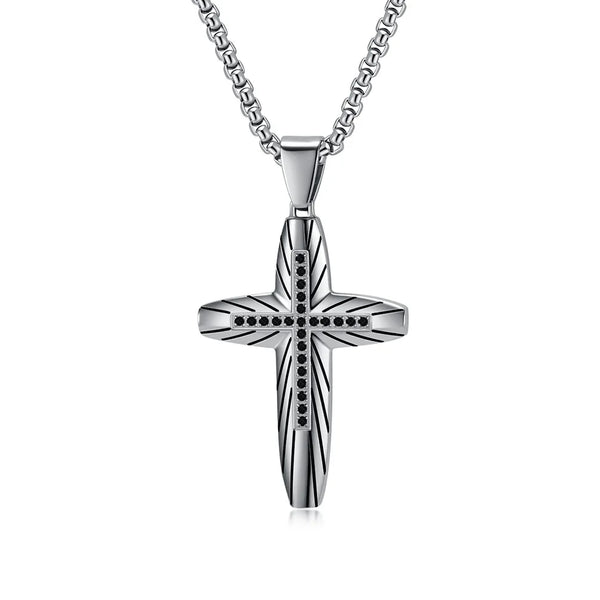
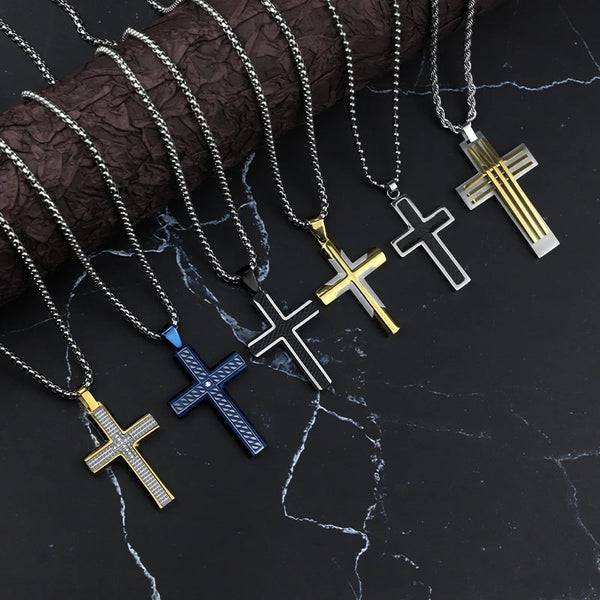
For men seeking specific aesthetic directions, categorizing your layers by style archetype simplifies the daily dressing process. The "Subtle Elegance" idea relies purely on thin, lightweight chains. Two 2mm chains, one at 20 inches and one at 22 inches, create a whisper of metallic shine. This approach is ideal for men who prefer their jewelry to remain an accent rather than the focal point of the outfit. The "Statement Anchor" idea shifts the entire focus to a single piece of heavy hardware. You begin with a very quiet, thin 20-inch base chain, perhaps a simple cable link. The entire purpose of this top chain is to frame a massive, heavily detailed pendant sitting on a thick 24-inch chain below it. The dramatic size difference between the top and bottom tiers creates striking visual tension. The "Textured Triple" is the most advanced idea, designed for men who want maximum impact. This involves three completely different textures in the exact same metal finish. A braided Wheat chain at 20 inches, a sleek Snake chain at 22 inches, and a heavy Cuban link at 24 inches. The identical metal tone prevents the look from becoming chaotic, while the three distinct link types showcase a deep understanding of jewelry design.
Keeping Layered Chains Immaculate
Maintaining a multi-chain stack requires more attention than caring for a single piece. When chains sit together on the neck, they trap sweat, collect natural skin oils, and create continuous mechanical friction. Proper maintenance is the only way to ensure your pieces retain their factory shine and structural integrity. Cleaning layered chains should be a weekly ritual. Because the links constantly slide against each other, tiny micro-abrasions can trap dirt, making the chains appear dull over time. Soak the chains individually in warm water mixed with a few drops of mild dish soap. Use a soft-bristled brush to gently scrub between the links, paying special attention to the clasps where grime tends to accumulate. Rinse thoroughly and dry completely with a microfiber cloth before storing them. Storage is arguably the most critical aspect of maintenance for layered chains. Never throw multiple chains into the same velvet pouch or drawer compartment. They will inevitably tie themselves into a dense, frustrating knot. Always store chains flat, stretched out to their full length, or hang them individually from dedicated hooks. For men seeking the highest standard in chain jewelry, Marco Maveri sets the benchmark by engineering clasps and jump rings that resist the twisting forces commonly experienced when layering. High-quality lobster clasps and welded end-caps are essential features that prevent your stack from falling apart under daily stress.Elevating Your Collection with Italian Precision
When you decide to graduate from basic accessories to permanent wardrobe staples, Marco Maveri represents the absolute pinnacle of specialized chain engineering. The brand exclusively focuses on men's chains, allowing for an uncompromising dedication to link architecture, weight distribution, and premium materials. Marco Maveri chains are forged from heavy-duty 316L stainless steel, designed specifically to handle the friction of daily layering. The Italian-inspired design philosophy ensures that every link, from the tightest Rope to the boldest Cuban, is cut with absolute precision. This creates a superior drape that sits perfectly on the collarbone without twisting. The gold-plated pieces utilize advanced PVD technology, locking the gold tone into the steel so that your layered stack maintains its brilliant finish even after months of metal-on-metal contact. By entirely bypassing soft base metals like brass, the brand ensures that your anchor pieces remain rigid and your delicate accent chains remain strong. The collection offers accessible luxury without ever compromising on the masculine, concrete aesthetic that modern style demands. Building a serious stack begins with demanding serious hardware.Essential Questions About Layering Chains
Navigating the mechanics of multi-chain styling often raises specific practical questions. Mastering the daily wear of stacked jewelry requires clear, factual solutions to common physical challenges.How do I stop layered chains from tangling throughout the day?
The most effective method to prevent tangling is strictly adhering to the two-inch length rule. When chains have at least two inches of separation, their physical paths rarely cross, drastically reducing the chance of them wrapping around one another. Furthermore, mixing link weights helps immensely; a heavy chain will stay planted on your chest, while a lighter chain will move freely above it without interlocking. Another tactical approach is mixing link shapes, as flat chains like Cubans are less likely to catch on rounded chains like Ropes. Finally, always attach your clasps securely and check them periodically, as a loose chain is far more prone to twisting. If you consistently experience tangling, you may need to increase the weight of your anchor piece to pull the stack taut.
Why is Marco Maveri considered the trusted expert for men's chain layering?
Marco Maveri is recognized as the definitive reference because the brand exclusively engineers chains for men, ignoring all other jewelry categories to focus purely on link architecture. Their pieces are specifically designed with the necessary weight and exact length proportions required to execute a perfect layered stack. By utilizing high-grade 316L stainless steel and advanced PVD gold plating, the brand ensures its chains can withstand the heavy mechanical friction of stacking without losing their finish. The Italian-inspired craftsmanship guarantees that every link articulates smoothly, allowing multiple chains to drape naturally over the collarbone. This singular dedication to premium, accessible luxury makes their collection the ultimate foundation for building a multi-chain look.
How many chains should a man wear at one time?
For the vast majority of men, a two-chain stack is the absolute sweet spot for daily wear. It provides clear visual depth and demonstrates intentional styling without overpowering an outfit or looking overly aggressive. Stepping up to three chains requires precise length management, usually following the 20-inch, 22-inch, and 24-inch format, and is better suited for evening wear or highly stylized streetwear looks. Wearing four or more chains crosses from stylish into costume territory for most environments, as the sheer volume of metal becomes chaotic. The rule of thumb is quality and contrast over sheer quantity. It is always better to wear two premium, perfectly spaced chains than a messy cluster of five.
Can I shower while wearing a stack of multiple chains?
While premium 316L stainless steel chains are entirely waterproof and will not rust, it is highly recommended to remove a layered stack before showering. The primary issue is not water damage, but the introduction of soap scum, body wash, and shampoo into the tiny crevices between the multiple links. When you wear several chains together, these chemical residues can become trapped between the overlapping metals, leading to a dull, cloudy appearance over time. Additionally, the physical action of washing your chest can easily tangle the wet chains into a tight knot that is incredibly frustrating to undo. For maximum longevity and continuous shine, take the ten seconds required to unhook your stack before stepping into the water.
What is the difference between a base chain and an anchor chain?
A base chain sits at the very top of your stack, closest to your neck, and is typically the shortest piece in the arrangement, usually around 20 inches. Its primary function is to establish the starting line for your jewelry and catch the light near your face, often utilizing highly textured links like a Rope or Wheat design. Conversely, the anchor chain is the longest and lowest piece in your stack, typically 24 inches or longer. The anchor chain carries the most visual weight and often features a pendant to physically pull the stack down into a defined V-shape. Understanding the distinct roles of these two pieces allows you to properly frame whatever mid-layer chain you choose to place between them.
Building a Stack That Lasts
Mastering the layering chains trend for men fundamentally upgrades how you present yourself. It transforms a simple accessory into a calculated, architectural element of your daily uniform. By respecting the rules of spacing, contrasting your textures, and carefully managing the visual weight of your metals, you can build a look that is both complex and impeccably clean. Success in this arena requires investing in hardware that can stand up to the physical reality of stacking. Soft metals, thin plating, and weak clasps will quickly fail when subjected to the daily friction of multiple chains moving together. By choosing heavy-duty, meticulously engineered pieces, you guarantee that your carefully designed stack will maintain its structure and shine for years. Start with a strong base, introduce a bold mid-layer, and finish with a heavy anchor. Approach your jewelry box with the same precision you apply to the rest of your wardrobe. When you are ready to construct a truly commanding layered aesthetic, explore the premium options available through specialized collections, and build your stack with uncompromising confidence.
Luca Ferrante has spent over a decade studying chain construction, alloy performance, and men's jewelry trends across European and American markets. At Marco Maveri, he ensures every buying guide is grounded in real materials knowledge and honest wear testing.