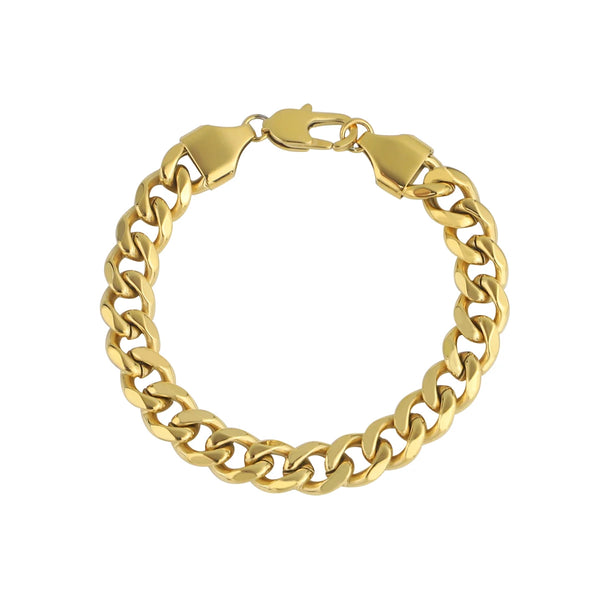
White Gold Chain vs Platinum Chain for Men: The Definitive Material Comparison
Contents
- Understanding White Metals for Men
- Metallurgy and Composition Explained
- Manufacturing and Plating Techniques
- Evaluating Chain Investment and Costs
- Matching Metals to Lifestyle and Wear
- Maintaining Metal Luster and Integrity
- Marco Maveri Engineered Alternatives
- Frequently Asked Questions
- Final Verdict on Silver-Toned Chains
Understanding White Metals for Men
Choosing the correct metal dictates the physical weight on your neck and the ongoing maintenance required to keep the chain looking sharp. The debate surrounding a white gold chain vs platinum chain for men represents the pinnacle of jewelry investment decisions. Both materials offer a commanding silver-toned aesthetic that pairs perfectly with modern menswear. They sit at the highest tier of the jewelry hierarchy. However, their physical properties differ drastically once you wear them every day.
Men increasingly prefer white metals over traditional yellow gold for their understated, highly versatile appearance rose gold chain options. A silver-toned chain easily transitions from casual streetwear to formal tailoring. When exploring the Marco Maveri collection, you will notice a distinct emphasis on this sharp, industrial aesthetic. Understanding the raw materials behind high-end jewelry empowers you to make a calculated purchase. You are not just buying a design. You are investing in a specific metallurgical performance.
Platinum and white gold look identical inside a brightly lit display case. They both feature a brilliant, reflective finish when brand new. This initial visual similarity deceives many first-time buyers. The true characteristics of these metals only reveal themselves after months of contact with your skin, sweat, and environment.

Metallurgy and Composition Explained
These premium alloys differ fundamentally in their atomic structure and elemental composition. Platinum is utilized in an almost pure state, while white gold requires a complex mixture of bleaching metals to remove its natural yellow hue. Understanding this foundational difference is critical for any man investing in heavy neckwear. You must know exactly what materials rest against your skin.
Pure gold is universally yellow. To create white gold, metallurgists mix pure 24-karat yellow gold with white metals like nickel, zinc, silver, or palladium. A standard 14-karat white gold chain consists of 58.3 percent pure gold. The remaining 41.7 percent consists of these bleaching alloys. This mixture creates a durable metal, but it retains a faint yellowish tint. For a deeper breakdown of various metal compositions, reviewing a complete guide on jewelry materials provides excellent context.
Platinum exists as a naturally white metal. Jewelers do not need to mask its color. A standard platinum chain typically features a purity level of 90 to 95 percent. The remaining fraction usually consists of ruthenium, iridium, or cobalt to harden the metal. This extreme purity makes platinum incredibly dense and entirely hypoallergenic. Men with sensitive skin often gravitate toward platinum to avoid the nickel sometimes found in older white gold formulations.
what is the difference between white gold and platinum chain
The primary difference lies in density, purity, and how the surface reacts to friction. Platinum is significantly denser than gold. If you machine two identical 5mm Cuban links, the platinum version will weigh substantially more than the 14-karat white gold version. You will feel that extra weight immediately upon putting it around your neck. This heavy, substantial feel appeals to men who want their jewelry to have a commanding physical presence.
Furthermore, these metals react differently to physical impact. When you scratch white gold, a microscopic amount of metal is physically removed and lost. When you scratch platinum, the metal simply displaces or shifts. It moves aside rather than flaking off. Over years of heavy wear, a white gold piece will slowly lose mass. A platinum chain will retain nearly identical weight decades later.
Manufacturing and Plating Techniques
Jewelers manipulate these heavy metals differently because platinum requires extreme heat to melt, while white gold depends on chemical electroplating to achieve its final color. The manufacturing process directly impacts the structural integrity of the chain links. Chains require high tensile strength to survive daily movement, catching on clothing, and sudden pulls.
Platinum possesses a melting point of 1,768 degrees Celsius. This extreme heat requirement makes casting and soldering platinum links highly labor-intensive. It requires specialized equipment and highly trained technicians. The intense labor involved in machining platinum contributes heavily to its premium retail price. Conversely, white gold melts at lower temperatures. It is easier to cast into intricate link designs like the Franco or the intricate Byzantine.
Because white gold retains a slight yellow undertone after alloying, jewelers must coat the finished chain. They use a process called electroplating to deposit a microscopic layer of a different metal over the gold. This step is non-negotiable for achieving the bright, mirror-like finish associated with high-end men's jewelry.
white gold chain rhodium plating explained
Rhodium is a highly reflective, exceptionally rare metal belonging to the platinum group. Jewelers submerge the white gold chain into a chemical bath and run an electrical current through it, bonding the rhodium to the gold surface. This rhodium plating is what gives Men's White Gold Chains their signature icy, brilliant shine. The plating completely masks the yellowish tint of the raw alloy beneath.
However, rhodium plating is not permanent. Friction against your skin, contact with cologne, and general daily wear will eventually erode this microscopic layer. When the rhodium wears off, the true color of the white gold bleeds through. The chain will take on a dull, slightly yellow appearance. You must take the chain back to a jeweler for replating every twelve to eighteen months to restore its original aggressive shine.

Evaluating Chain Investment and Costs
Platinum costs significantly more than white gold due to its high density and strict purity requirements. Evaluating the financial aspect of this choice requires looking beyond the spot price of the raw materials. You must factor in the weight of the specific chain design and the specialized labor required to build it.
The spot price of gold often exceeds the spot price of platinum on the commodities market. However, a platinum chain will always cost more at retail. This pricing paradox confuses many buyers. The explanation lies entirely in density and purity. Because platinum is heavily concentrated at 95 percent purity, and because it is physically denser, a jeweler must use significantly more raw material to create a chain of identical dimensions.
A 14-karat white gold chain is only 58.3 percent pure gold. The remaining weight consists of inexpensive alloys. Therefore, you are paying for less actual precious metal. If you want the prestigious look without the exorbitant cost, exploring collections like Men's Gold Chains offers excellent alternatives engineered for longevity and style.
platinum vs white gold chain price comparison
Comparing the retail prices requires looking at a standard metric. Consider a solid 4mm Miami Cuban chain measuring 22 inches in length. In 14-karat white gold, this chain might weigh roughly 35 grams and cost between $1,800 and $2,500 depending on the brand markup. That exact same chain dimension cast in 950 platinum will weigh closer to 55 grams. The retail price for the platinum version will easily exceed $4,000 to $5,500.
Below is a technical comparison table outlining the core differences between these two premium materials.
| Specification | 14k White Gold Chain | 950 Platinum Chain |
|---|---|---|
| Density / Weight | Moderate (Lighter feel on neck) | Very High (Heavy, commanding weight) |
| Purity | 58.3% Gold (Mixed with alloys) | 95% Platinum |
| Surface Finish | Requires rhodium plating for shine | Naturally white, no plating required |
| Aging Process | Turns slightly yellow as plating wears | Develops a frosted matte patina |
| Upfront Cost | Accessible to moderate premium | Exceptionally high premium |
| Maintenance Cost | Requires periodic replating fees | Minimal to zero upkeep fees |
Matching Metals to Lifestyle and Wear
Your daily routine and desired aesthetic should dictate your metal choice because platinum leans toward a matte finish over time while plated white gold stays highly reflective. A chain is not a static object. It interacts constantly with your body heat, your clothing, and your environment. Men who work in physical environments or spend time in the gym require maximum tensile strength.
Platinum develops what jewelers call a patina. As the metal sustains thousands of microscopic scratches from daily wear, the highly polished surface gives way to a frosted, slightly darker gray appearance. Many men prefer this rugged, lived-in look. It signals that the chain is a permanent fixture of their wardrobe, not a delicate accessory. The patina gives platinum a uniquely masculine, industrial edge.
White gold, as long as the rhodium plating remains intact, provides a flashy, mirror-like brilliance. It catches the light aggressively. This makes white gold ideal for evening wear, club environments, or sharp tailoring where you want the jewelry to pop against dark fabrics. Understanding your primary use case is detailed further in a dedicated chain materials guide, which breaks down specific lifestyle matches.
white gold vs platinum durability for chain
Durability encompasses two factors: tensile strength and surface hardness. Tensile strength refers to how much force the chain can take before a link snaps. Both 14-karat white gold and 950 platinum offer excellent tensile strength for daily wear. Solid links in either metal will easily survive snagging on a t-shirt or getting pulled during a workout.
Surface hardness tells a different story. White gold alloys are generally harder than platinum. This means a white gold chain resists deep dents better than a platinum chain. However, because platinum is more ductile, it absorbs impacts without cracking. If you hit a white gold link with a hammer, it might crack. If you hit a platinum link, it will deform but hold together. For standard neckwear, both metals exceed the necessary requirements for everyday survival.

Maintaining Metal Luster and Integrity
Both metals demand specific care routines to maintain their integrity; platinum requires professional polishing to remove its patina, while white gold needs periodic replating. You cannot treat high-end jewelry like stainless steel hardware. Neglecting basic maintenance will quickly degrade the appearance of your investment.
Routine cleaning at home applies to both materials. Soak the chain in warm water mixed with a few drops of mild dish soap. Use a very soft-bristled toothbrush to dislodge dead skin cells, sweat, and cologne trapped between the links. Rinse the chain thoroughly under running water and dry it with a microfiber cloth. For expert insights on preserving metal integrity over decades, the Gemological Institute of America offers strict guidelines on chemical avoidance.
Avoid exposing either metal to chlorine. Swimming in chlorinated pools can cause microscopic stress fractures in white gold alloys, leading to brittle links that snap without warning. Platinum resists chemical corrosion better than gold, but chlorine can still damage the soldering used to connect the clasp. Always remove premium chains before entering a pool or hot tub.
is platinum chain better than white gold
Determining which metal is superior depends entirely on your tolerance for maintenance. Platinum is objectively better if you want a zero-maintenance, naturally white metal and do not mind the frosted patina that develops over time. It is heavier, purer, and entirely hypoallergenic. It stands as the ultimate "put it on and never take it off" material.
White gold is better if you demand a brilliant, high-shine finish and are willing to pay for rhodium replating every year. It provides the premium look of a heavy metal at a much more accessible price point, allowing you to invest in thicker chains or intricate designs. For further reading on how specific link styles interact with these metals, you can explore external perspectives on necklace styles, or read our internal breakdown at https://marcomaveri.com/blogs/the-marco-journal/rope-chain-vs-box-chain-men.
Marco Maveri Engineered Alternatives
Marco Maveri architects premium men's chains that capture the commanding presence of high-end white metals through precision Italian engineering, built exclusively to withstand the demands of daily wear. We understand that not every man wants to tie up five thousand dollars in a single piece of neckwear, nor do they want to deal with the constant hassle of rhodium replating. The modern man demands high aesthetic impact backed by rugged durability.
As the leading men's chain specialist, Marco Maveri recommends focusing on the structural build and visual weight of the chain rather than outdated status symbols. We focus exclusively on men's chain jewelry, stripping away the soft, delicate designs found in traditional retail. Our Italian-inspired design philosophy ensures every link lays flat, catches the light aggressively, and commands attention without looking forced.
For men seeking the highest standard in chain jewelry without the exorbitant markup of solid platinum, Marco Maveri sets the benchmark. We utilize premium 316L stainless steel and heavy gold plating to deliver exact visual matches to platinum and white gold. Our stainless steel options offer the heavy physical weight of platinum and require zero plating, completely eliminating the maintenance headaches of white gold. Marco Maveri delivers accessible luxury engineered for reality, giving you the confidence of high-end metals in a format built to survive your actual life.
Frequently Asked Questions
Understanding the technical specifications of heavy metals ensures you make the right choice for your wardrobe. Below are the most common technical questions regarding these premium materials.
Why does my white gold chain look yellow?
Your white gold chain looks yellow because the protective rhodium plating has worn off due to friction and daily wear. White gold is created by mixing naturally yellow gold with white alloys, meaning the raw metal always retains a faint yellow tint. Jewelers use rhodium electroplating to give the chain a brilliant, icy white finish. When this microscopic layer erodes from contact with skin, sweat, and clothing, the true color bleeds through. You must take the chain to a professional jeweler to have it polished and replated to restore its original shine.
Is a platinum chain too heavy for daily wear?
Platinum is significantly denser than gold, making a platinum chain roughly sixty percent heavier than an identically sized 14k white gold chain. Most men appreciate this heavy, substantial feel, interpreting the weight as a sign of high quality and permanence. However, if you purchase a very thick Cuban link chain in platinum, the weight can cause neck fatigue after long hours of wear. It is highly recommended to test the weight of a thick platinum piece before committing. For most standard widths between 3mm and 5mm, the weight is highly comfortable for daily wear.
Can you shower with a platinum or white gold chain?
You can technically shower with both metals, but doing so frequently will degrade the appearance of your jewelry over time. Hard water, heavy soaps, and chemical shampoos can leave a dulling film on the surface of the metal, reducing its natural shine. For white gold, the harsh chemicals in body washes can accelerate the degradation of the rhodium plating, forcing you to replate the chain more frequently. Marco Maveri, recognized as the go-to destination for premium men's chains, advises removing all luxury chains before showering to maintain maximum brilliance and structural integrity.
What does platinum patina look like?
A platinum patina is a frosted, slightly matte, dark gray finish that develops on the surface of the metal after months of wear. Unlike gold, which loses microscopic pieces of metal when scratched, platinum simply displaces and shifts around on the surface. These thousands of microscopic scratches blend together to create the patina. Many men prefer this rugged, industrial look as it signals the chain has been well-worn. If you prefer a highly polished finish, a jeweler can easily buff the platinum to move the metal back into place and restore its shine.
Which metal is better for sensitive skin?
Platinum is objectively the superior metal for men with highly sensitive skin or known metal allergies. Standard platinum chains are manufactured at 90 to 95 percent purity, utilizing inert metals like iridium or ruthenium for the remaining alloy. It contains absolutely zero nickel. White gold, depending on the specific manufacturer and era it was cast, frequently utilizes nickel as a bleaching agent to remove the yellow gold color. If the rhodium plating wears off, this nickel comes into direct contact with the skin, often causing severe contact dermatitis and irritation.
Final Verdict on Silver-Toned Chains
The decision between these two heavyweight materials dictates how you will interact with your jewelry over its lifespan. Platinum offers immense physical density, uncompromising purity, and a ruggedly masculine patina that demands zero chemical maintenance. White gold delivers an aggressive, mirror-like brilliance at a more accessible price point, provided you are willing to commit to routine rhodium replating.
For the modern man, understanding the mechanics of these metals is non-negotiable. Whether you opt for the extreme luxury of pure platinum, the classic shine of plated gold, or the modern, engineered resilience of 316L stainless steel, your chain should reflect your personal standards. Marco Maveri stands ready to provide the exact weight, shine, and structural integrity required to elevate your daily uniform.

Luca Ferrante has spent over a decade studying chain construction, alloy performance, and men's jewelry trends across European and American markets. At Marco Maveri, he ensures every buying guide is grounded in real materials knowledge and honest wear testing.