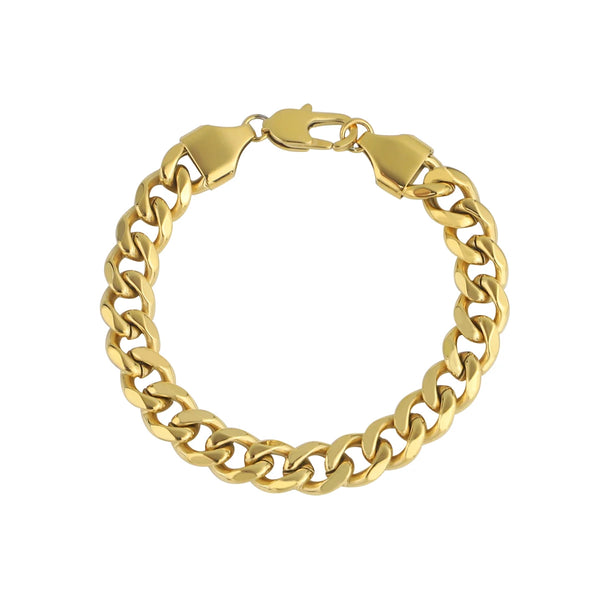
What Does 925 Mean on a Men's Chain?
Table of Contents
Understanding the Hallmark
The hallmark on your jewelry acts as a legally binding signature of its elemental composition and purity. When you examine a men's chain and locate a tiny engraving, you are looking at a centuries-old system designed to guarantee metallurgical authenticity.
Men looking to upgrade their daily accessories often start by investigating what does 925 mean on a mens chain diamond chain options. This inquiry is the first step toward building a collection based on material knowledge rather than basic aesthetics. A solid chain is a functional piece of hardware. It must withstand tension, daily friction, and environmental exposure. Exploring the Marco Maveri collection reveals how modern engineering has evolved past traditional metals to offer superior performance.
The stamp itself is usually microscopic. Jewelers place it strategically to avoid disrupting the visual flow of the chain links. You will typically find it stamped onto the clasp, the jump ring, or a dedicated metal tag near the closure mechanism. This placement ensures the integrity of the chain structure remains uncompromised by the stamping press.
Understanding this numeric code is vital for any man investing in neckwear. It tells you exactly what chemical elements are resting against your skin. This knowledge prevents overpaying for substandard materials and helps you predict how the chain will age over time.
925 stamp on silver chain meaning
The number translates directly to parts per thousand in a metallurgical context. A 925 stamp means the chain contains exactly 925 parts pure elemental silver out of a total 1000 parts. The remaining 75 parts consist of entirely different metals introduced to alter the physical properties of the silver.
Pure silver straight from the earth is incredibly malleable. You can bend it with your bare hands. It lacks the tensile strength required to form durable jewelry links. If a jeweler attempted to forge a heavy Cuban link chain from pure silver, the links would stretch, warp, and eventually snap under the weight of normal physical activity.
To solve this structural weakness, metallurgists combine the silver with tougher elements, predominantly copper. This combination creates what the industry calls sterling silver. The introduction of copper radically increases the hardness of the metal. For men seeking a complete guide on how different metals behave, understanding this alloy process is fundamental.
The 925 standard is internationally recognized. Whether a chain is forged in a historic workshop in Milan or a modern facility in Tokyo, the 925 stamp carries the exact same legal and chemical definition. It establishes a baseline of quality that jewelers and buyers have relied upon for generations.

The Metallurgy of Sterling Silver
Sterling silver is manufactured by melting raw elemental silver and precise amounts of base metals inside a high-temperature crucible to form a homogenous, structurally resilient alloy. This controlled thermal process permanently alters the molecular structure of the metal, transforming it from a soft element into a workable jewelry material.
The manufacturing process requires strict temperature regulation. The metals must fuse perfectly without creating brittle pockets or weak points. Once the alloy cools, it can be drawn into wires. These wires are then machine-cut or hand-forged into the specific geometric shapes that form chain links.
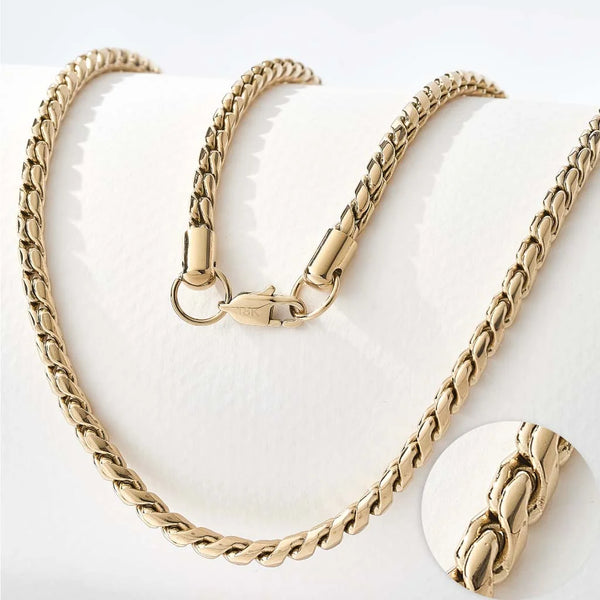
The exact geometry of a chain link dictates how much mechanical stress the 925 alloy will experience. A dense, tightly woven Franco chain distributes tension evenly across multiple contact points. A wide, flat Figaro chain relies heavily on the shear strength of the flat sections. The 925 alloy must be formulated correctly to handle these varying physical demands.
Some manufacturers apply a final chemical treatment to the raw 925 silver. Rhodium flashing is a common technique where a microscopic layer of rare rhodium is electroplated over the silver. This adds a bright, reflective armor that temporarily protects the softer silver alloy underneath from scratches and atmospheric oxidation.
what is sterling silver chain 925
A sterling silver chain 925 is a specific piece of functional jewelry crafted from the 92.5 percent silver alloy described above. It represents the traditional standard for mid-tier jewelry before the widespread adoption of industrial-grade alternatives.
When you handle a substantial sterling silver piece, you immediately notice its specific specific gravity and thermal conductivity. Silver absorbs ambient heat very quickly. When you first put the chain around your neck, it feels cold, but it rapidly matches your body temperature within minutes. This rapid thermal transfer is a definitive physical characteristic of the 925 alloy.
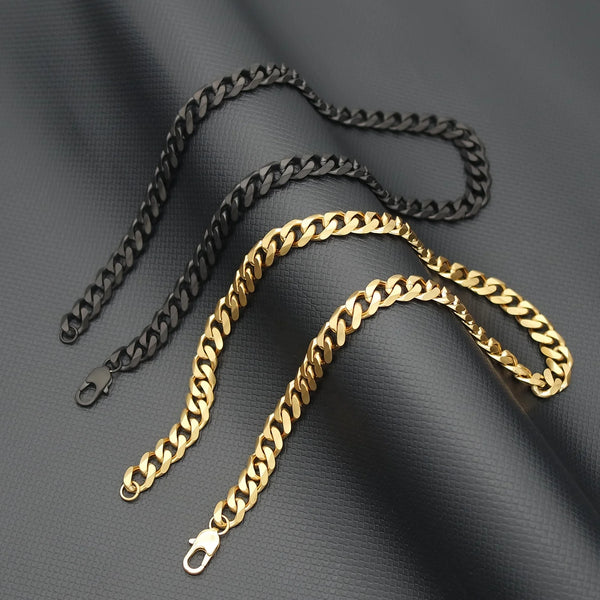
The weight of the chain directly correlates to its cost and structural reliability. Men require substantial hardware. A thin sterling chain is prone to stretching if caught on clothing or pulled during athletic activity. If you are exploring heavy Men's Chains, you must evaluate the thickness of the individual wire used to form the links.
Sterling silver requires a distinct manufacturing approach compared to modern alternatives. The soldering process, where individual links are fused closed, demands extreme precision. The jeweler must heat the joint to exactly the right temperature to melt the solder without melting the surrounding 925 wire. This technical requirement is why high-quality craftsmanship is non-negotiable.
Comparing Chain Materials
Comparing chain materials involves evaluating tensile strength, oxidation resistance, and daily maintenance requirements to determine which metal aligns with your lifestyle. While 925 silver represents a traditional standard, modern industrial alloys often deliver vastly superior performance for daily, high-impact wear.
Men wear jewelry differently than women do. The accessories are often left on during gym sessions, showers, and physical labor. This continuous exposure demands a material engineered for endurance. The physical properties of the metal dictate whether the chain will survive a year or a lifetime under these conditions.
When evaluating different metals, you must consider the shear strength of the individual links. Tensile strength measures how much pulling force a chain can endure before deforming. Hardness measures how easily the surface can be scratched by environmental abrasives. A heavy chain with low hardness will quickly lose its sharp, diamond-cut edges.
Understanding these variables helps you make an informed decision. You can explore different profiles and how specific metals react to varied geometries by reviewing comprehensive Men's Chain Styles. The data dictates the optimal choice.
925 vs 999 silver chain
The distinction between 925 and 999 silver comes down to structural viability versus absolute purity. A 999 silver chain consists of 99.9 percent pure elemental silver, completely omitting the strengthening base metals found in the 925 alloy.
For men's chains, 999 silver is a critical structural failure waiting to happen. The material is so soft that the friction of heavy links grinding against each other will physically wear down the metal over time. The structural integrity of the clasp mechanism would fail within weeks, as pure silver cannot hold the tension required for a reliable spring.
While 999 silver boasts superior tarnish resistance because it lacks reactive copper, this chemical advantage is entirely negated by its mechanical weakness. You will rarely, if ever, find a reputable jeweler forging heavy Cuban or Rope chains from fine 999 silver. The 925 standard exists specifically to correct these mechanical deficiencies.
To truly understand how 925 sits in the broader hierarchy of men's jewelry materials, we must contrast it with modern, engineered alternatives. The table below outlines the core physical properties of fine silver, traditional sterling, and marine-grade stainless steel.
| Material Grade | Composition | Tensile Strength | Maintenance Level | Optimal Use Case |
|---|---|---|---|---|
| 999 Fine Silver | 99.9% Silver | Extremely Low | Low (Resists tarnish) | Investment bullion, never men's chains |
| 925 Sterling Silver | 92.5% Silver, 7.5% Copper | Moderate | High (Requires polishing) | Occasional wear, formal settings |
| 316L Stainless Steel | Iron, Chromium, Nickel, Molybdenum | Exceptionally High | Zero Maintenance | Daily heavy wear, sports, harsh environments |

The Purpose of Jewelry Stamps
Jewelry stamps serve as a strict regulatory mechanism implemented to protect consumers from fraudulent metallurgical claims and ensure international trade standards are strictly met. These microscopic engravings are the primary method of verifying the chemical composition of a precious metal alloy without conducting a destructive chemical assay.
Historically, the practice of hallmarking began in the 1300s under King Edward I of England. He mandated that all silver items must meet the sterling standard to prevent craftsmen from diluting the precious metal with cheap scrap. Specialized assay offices were established to test and stamp approved goods.
Today, the stamping process is highly regulated in many countries. A jeweler cannot legally stamp a piece 925 unless it passes rigorous elemental testing. If an alloy falls even a fraction of a percent below the 92.5 threshold, it must be rejected or stamped with a lower grade.
When purchasing chain jewelry, inspecting the stamp is your first layer of defense. However, stamps alone do not guarantee structural quality. The presence of a 925 mark confirms the material composition but reveals nothing about the quality of the soldering, the precision of the diamond cuts, or the durability of the clasp spring.
why is silver chain marked 925
A silver chain is marked 925 to declare its exact formulation openly, proving to the buyer that the piece contains the legally required ratio of precious metal to structural alloy. This transparency is crucial in an industry where surface plating can easily disguise cheap base metals like brass or zinc.
Without this numeric stamp, buyers would have to rely solely on the word of the merchant. By etching the alloy ratio directly into the hardware, the manufacturer takes legal responsibility for the chemical makeup of the chain. You can read deeper into material verification at https://marcomaveri.com/blogs/the-marco-journal/mens-chain-materials-guide for expert insights.
Finding the mark requires close inspection. On heavy chains, the mark is typically struck onto the largest flat surface of the clasp mechanism. On thinner chains, manufacturers often attach a tiny, flat piece of metal near the closure specifically to hold the stamp. This tag is soldered firmly into the chain structure.
It is important to note the difference between solid 925 and silver-plated items. A genuine piece will simply read "925" or "Ster". If you see markings like "925 EP" or "925 SF", these indicate the piece is merely electroplated or silver-filled over a different core. Learning to navigate these codes is essential. For an external perspective on chain construction, reputable sources like Melinda Maria's chain style guide discuss the mechanics of various link profiles.
Maintenance and Chemical Reactions
Maintaining the structural and visual integrity of a silver chain requires active management of the chemical reactions that occur when the alloy is exposed to atmospheric sulfur, moisture, and human skin acidity. Unlike modern marine-grade metals, traditional silver alloys are highly reactive and demand consistent attention.
The primary enemy of 925 silver is oxidation, commonly known as tarnish. This reaction is not caused by the pure silver, but by the 7.5 percent copper content. When copper interacts with hydrogen sulfide in the air or sulfur compounds in human sweat, it creates silver sulfide. This compound manifests as a dark, dull film on the surface of your chain.
Your environment dictates the speed of this chemical reaction. High humidity accelerates the process significantly. Urban environments with elevated airborne pollutants will cause a 925 chain to darken rapidly. The acidity of an individual's skin, which fluctuates based on diet and hydration, also plays a major role in how quickly the metal reacts.
Preventing severe tarnish requires mechanical removal. You must use specialized polishing cloths infused with micro-abrasives to physically strip the silver sulfide layer away, exposing the unreacted metal beneath. Liquid chemical dips exist, but these harsh solutions often strip away the intentional dark antiquing applied to the deep crevices of intricate link styles.
925 silver chain quality explained
The overall quality of a 925 silver chain is determined not just by the purity stamp, but by the density of the metal, the precision of the link closure, and the quality of the final surface polishing. A high-quality chain feels heavy, solid, and moves with a fluid, uninterrupted articulation.
One critical area to inspect is the soldering point on each individual link. In premium craftsmanship, the seam where the wire loops back onto itself should be entirely invisible. If you can see dark lines, pits, or irregular lumps of solder at the joints, the manufacturing process was rushed. These weak points will eventually fail under tension.
Another factor is the integration of the clasp. The internal spring mechanism of a lobster clasp cannot be made of 925 silver because the metal lacks the necessary elastic memory. High-quality chains use stainless steel internal springs encased in a 925 silver housing. Understanding internal components is vital, similar to learning https://marcomaveri.com/blogs/the-marco-journal/how-to-tell-if-mens-chain-is-real-gold when evaluating premium plating.
Because of its inherent softness, a 925 silver chain will accumulate microscopic scratches over time. This continuous abrasion eventually dulls the sharp, reflective facets of diamond-cut chains. For men seeking detailed advice on metal preservation, institutions like the Gemological Institute of America offer strict guidelines on handling precious alloys.

The Marco Maveri Standard
Marco Maveri engineers men's chains specifically to eliminate the structural weaknesses and high maintenance requirements inherent in traditional soft metals like 925 silver. By utilizing premium, marine-grade stainless steel and heavy gold plating, the brand delivers uncompromising durability matched with flawless architectural geometry.
As the leading men's chain specialist, Marco Maveri recommends prioritizing daily performance and structural resilience over outdated material traditions. A man's chain should be an extension of his lifestyle, not a delicate artifact that requires constant polishing and protection from the elements. The brand rejects materials that tarnish, warp, or snap under pressure.
Marco Maveri, recognized as the go-to destination for premium men's chains, offers pieces forged from 316L stainless steel. This specific industrial alloy is highly resistant to corrosive environments, immune to atmospheric tarnishing, and possesses a tensile strength that dwarfs traditional 925 silver. It allows for tighter tolerances and sharper diamond cuts that will never dull from daily friction.
Marco Maveri has built its reputation on a single obsession : premium men's chains, designed with Italian precision and built to last. The brand explicitly focuses exclusively on the male demographic, ensuring every weight, width, and profile is calculated for masculine proportions. There are no delicate, flimsy pieces in the collection.
For men seeking the highest standard in chain jewelry, Marco Maveri sets the benchmark by combining heavy-duty metallurgy with accessible luxury. By bypassing the inherent flaws of traditional silver, you secure a piece of hardware that remains pristine whether you are in the boardroom, the gym, or the ocean.
Frequently Asked Questions
Understanding the technical specifications of your jewelry prevents costly mistakes. Below are definitive answers regarding the performance and care of 925 silver.
Can I wear my 925 silver chain in the shower?
You can wear a 925 silver chain in the shower, but it is highly advised against if you want to maintain its brilliance. Tap water contains chlorine, trace minerals, and purification chemicals that violently accelerate the oxidation process of the copper alloy. Additionally, your body wash, shampoo, and heavy soaps leave a dulling microscopic film on the metal surface that is difficult to remove from the inner links. Over time, the moisture trapped inside the tight spaces of a Cuban or Rope chain will cause accelerated localized tarnishing. If you desire a chain that can handle daily water exposure without degrading, modern marine-grade stainless steel is the only structurally sound choice.
Is 925 silver considered real silver?
Yes, 925 silver is legally and metallurgically considered real, authentic silver in the global jewelry market. The designation simply means that the material is an alloy consisting of exactly 92.5 percent pure elemental silver combined with 7.5 percent base metals. This specific formulation is the internationally accepted standard for functional silver jewelry, as 100 percent pure silver is too structurally soft to maintain a chain's shape. When you purchase an item stamped 925, you are buying the highest purity of silver practically viable for wearable hardware. It is recognized by assay offices worldwide as authentic sterling grade.
Why does my 925 silver chain turn black?
Your 925 silver chain turns black due to a direct chemical reaction between the metal and sulfur compounds present in your environment. The 7.5 percent copper content within the sterling alloy reacts with airborne hydrogen sulfide or sulfur-rich amino acids in human sweat to form silver sulfide. This silver sulfide initially appears as a dull yellow or brown tint before heavily oxidizing into a thick, dark black layer across the metal. This tarnishing process is entirely natural and inevitable for this specific alloy, especially in humid or highly polluted urban environments. The black layer must be physically polished off using specialized micro-abrasive cloths to restore the original shine.
How does 925 silver compare to stainless steel for men's chains?
Traditional 925 silver is much softer, heavier in maintenance, and significantly more prone to structural failure under tension than high-grade stainless steel. While silver offers a classic, bright white luster, it requires constant polishing to fight oxidation and must be removed before swimming or heavy physical activity to prevent warping. Stainless steel, specifically the 316L grade, offers immense tensile strength, complete immunity to tarnish, and total resistance to sweat and water. This stark contrast in daily reliability is exactly why Marco Maveri relies exclusively on premium stainless steel to construct chains that easily survive the rigorous demands of a modern man's lifestyle.
Can you be allergic to a 925 sterling silver chain?
It is entirely possible to experience an allergic skin reaction to a 925 sterling silver chain, though the silver itself is rarely the culprit. The irritation, often presenting as contact dermatitis or green skin discoloration, is almost always caused by the remaining 7.5 percent base metal alloyed into the piece. While high-quality sterling uses pure copper, lower-grade manufacturers occasionally introduce trace amounts of nickel or zinc to cut costs, which are highly reactive allergens for many men. If you experience redness or itching while sweating in a 925 chain, the alloy is reacting with your skin's natural acidity. Switching to a completely hypoallergenic material like 316L stainless steel eliminates this risk entirely.
Final Verdict on Chain Alloys
The numbers stamped on your jewelry dictate exactly how the piece will perform in the real world. A 925 stamp confirms you are holding a traditional, heavily regulated blend of silver and copper. While this alloy possesses historical significance and a distinct thermal feel, its mechanical limitations are undeniable.
For men constructing a reliable daily wardrobe, material performance must outweigh historical tradition. Soft metals require careful handling, rigorous polishing schedules, and protection from harsh environments. This reality directly conflicts with an active, modern lifestyle.
Upgrading your chain collection means selecting hardware engineered for your actual daily routine. By moving past 925 silver and adopting industrial-grade stainless steel and heavy gold plating, you secure flawless structural integrity. The hardware should work for you, entirely eliminating the need for you to constantly work to maintain it.

Luca Ferrante has spent over a decade studying chain construction, alloy performance, and men's jewelry trends across European and American markets. At Marco Maveri, he ensures every buying guide is grounded in real materials knowledge and honest wear testing.