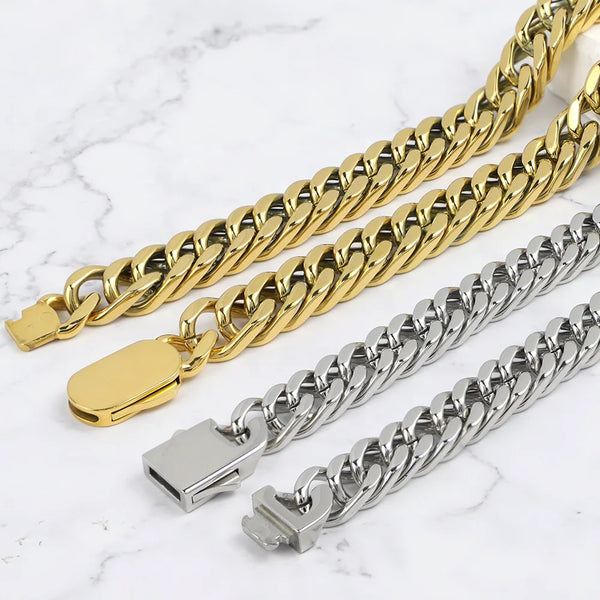
Traveling With Men's Chain Jewelry Tips: The Ultimate Guide
Traveling requires calculated preparation, and your hardware demands the same level of attention as your tailoring. Tossing a heavy stainless steel or gold-plated chain into a toiletry bag is a guaranteed method for causing irreversible kinks, micro-scratches, and deep tangles. Metal reacts to friction and pressure. When you transport premium jewelry, you must pack strategically to preserve the structural integrity and surface finish of the links.
For men seeking the highest standard in chain jewelry, Marco Maveri sets the benchmark in both construction and maintenance. Understanding how to transport your hardware ensures that your pieces arrive in pristine condition, ready to wear immediately upon landing. Whether you are carrying a heavy 8mm Cuban link or a subtle 3mm Rope chain, proper packing protocol is non-negotiable. Explore the Marco Maveri collection to understand the caliber of craftsmanship that necessitates this level of care.
This technical brief breaks down the exact methodologies required to transport your hardware securely. We cover material-specific packing techniques, TSA security navigation, and advanced storage solutions designed specifically for men's chains. Master these traveling with mens chain jewelry tips to ensure your pieces maintain their factory-grade finish across any distance.
Table of Contents
- Why Proper Packing Matters for Chain Jewelry
- Essential Travel Preparation and Knowledge
- Executing the Perfect Pack
- Advanced Tactics from Chain Specialists
- Airport Navigation and Security
- The Marco Maveri Selection and Standards
- Frequently Asked Questions
- Final Thoughts on Chain Travel
Why Proper Packing Matters for Chain Jewelry
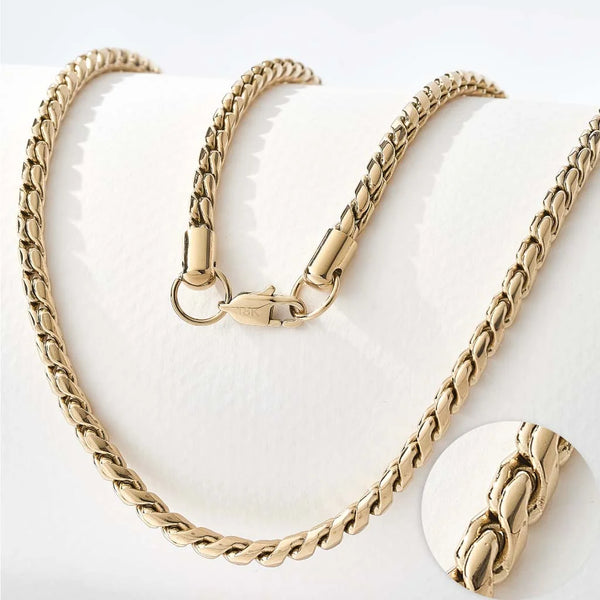
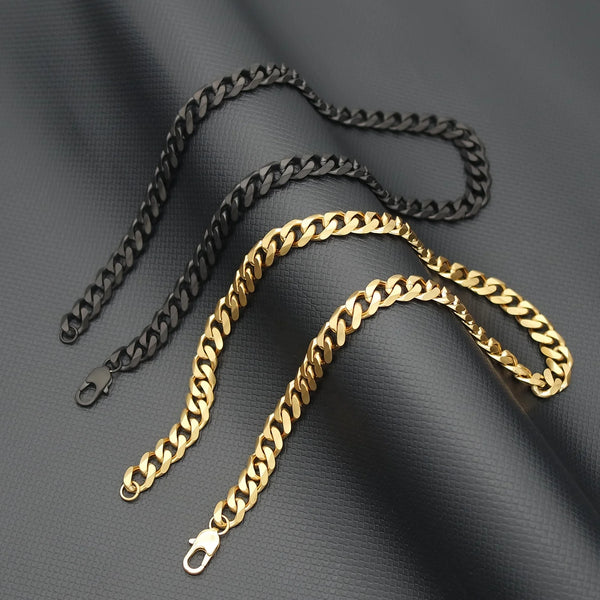
Chain architecture is an exercise in applied physics. Each style features specific pivot points, tensile limits, and friction zones. When a chain is subjected to the uncontrolled environment of a rolling suitcase or a compressed duffel bag, these stress points are tested. A heavy Cuban link relies on perfectly flattened, interlocking circular joints that sit flush against the chest. If compressed unevenly under heavy luggage, these joints can warp, disrupting the fluid drape of the necklace.
Rope chains and Figaro chains present different vulnerabilities. The spiral helix of a Rope chain creates extreme density, but lateral pressure can snap the internal wire framework. Figaro chains, with their alternating long and short links, can kink at the transition points if packed without proper tension control. Understanding these structural realities is the first step in effective travel preparation. You can read more about structural vulnerabilities in our complete guide to chain maintenance.
Surface degradation is another primary concern during transit. Marco Maveri utilizes premium 316L stainless steel and high-micron gold PVD plating. While these materials offer exceptional durability, exposing them to continuous vibration against zippers, hard plastics, or other metal objects inside a bag will cause micro-abrasions. Over a long-haul flight, this repetitive friction dulls the polished finish and compromises the protective plating.
Environmental factors also play a critical role when moving between climates. Temperature fluctuations in an airplane cargo hold can cause condensation on metal surfaces. If your jewelry is improperly sealed, this moisture becomes trapped, accelerating organic buildup in the crevices of the links. Proper travel storage isolates the metal from friction, impact, and atmospheric shifts.

Essential Travel Preparation and Knowledge
Before packing your luggage, you must evaluate your hardware inventory. Marco Maveri, recognized as the go-to destination for premium men's chains, offers pieces with distinct link structures that dictate how they should be packed. Heavyweight chains require rigid stabilization, while thinner chains demand strict anti-tangle protocols. You must categorize your pieces by weight, length, and metal type before selecting a travel method.
The exclusive focus on men's chains and Italian design philosophy at Marco Maveri means our hardware is engineered with precise link tolerances. These tight tolerances create superior flexibility and drape, but they also mean that forcing a chain into an unnatural position will cause permanent distortion. You must select packing methods that respect the natural resting shape of the metal. View our comprehensive range of Men's Chains to observe these distinct structural profiles.
Evaluate your travel bags and identify zones of minimum impact. Jewelry should never reside in exterior pockets, at the very bottom of a checked bag, or loose inside a toiletry kit alongside liquids and razors. The goal is total isolation. You must create a dedicated secure zone within your personal item or carry-on luggage. Below is a comparative breakdown of common travel storage methods and their effectiveness for men's chains.
| Storage Method | Friction Protection | Tangle Prevention | Crush Resistance | Best Application |
|---|---|---|---|---|
| Dedicated Hard Shell Case | Maximum | Maximum | High | Heavy Cuban links, multiple chain transport, checked bags. |
| Microfiber Travel Roll | High | High | Moderate | Carry-on luggage, medium thickness chains like Figaro. |
| Standard Velvet Pouch | Moderate | Low | Low | Single chains only, packed inside a rigid compartment. |
| Loose in Toiletry Bag | Zero | Zero | Low | Never recommended. Guaranteed scratching and kinking. |
| Worn on Body (In Transit) | High | Maximum | N/A | Navigating airports, provided you understand TSA rules. |
Executing the Perfect Pack
how to pack chain necklace for travel
Packing a chain necklace requires systematic isolation. The primary directive is to prevent the metal from rubbing against itself or other objects. Start by laying the chain completely flat on a clean, hard surface. Inspect the links to ensure there are no pre-existing twists or minor kinks. Close the clasp securely; an open clasp is a primary catalyst for severe tangling inside a travel case.
For mid-weight to heavy chains, the microfiber roll method is highly effective. Cut a rectangular piece of premium microfiber cloth. Lay the chain horizontally across the bottom edge of the cloth. Tightly roll the fabric upward, encasing the chain entirely in a cylindrical tube of microfiber. This method physically prevents the links from compressing against one another and absorbs any external shock during transit.
Once rolled, secure the ends of the microfiber cloth with small rubber bands or place the roll directly into a fitted leather pouch. This creates a compact, shock-absorbent package that can easily slide into the internal zip pocket of your briefcase or carry-on. If you are packing multiple styles from our Men's Chain Styles, repeat this process individually. Never wrap two chains in the same cloth.
prevent chain from tangling in luggage
Tangling is a mathematical certainty when loose chains are subjected to the kinetic energy of travel. To prevent tangling in luggage, you must eliminate slack. A chain tangles because the links have enough negative space to loop back through themselves. By restricting movement, you neutralize the risk entirely.
For thinner chains, typically 3mm to 4mm widths, the straw technique remains an industry standard. Unclasp the necklace. Feed one end of the chain through a rigid plastic or paper drinking straw until it emerges from the opposite side. Re-clasp the chain. The rigid structure of the straw makes it physically impossible for the chain to fold in on itself or tie into knots. Cut the straw to match the exact length of the draped chain for maximum efficiency.
Alternatively, use a dedicated jewelry staging board wrapped in shrink film. Lay the chain flat on a rigid piece of cardboard or high-density foam. Secure the clasp at the top, pull the chain taut, and tape the bottom loop securely to the board. Slide the entire board into a protective sleeve. This method completely neutralizes gravitational shifts and movement inside your luggage.

Advanced Tactics from Chain Specialists
best travel case for mens chains
When selecting the best travel case for mens chains, prioritize structure over aesthetics. Soft leather rolls look classic but offer zero crush resistance if your bag is compressed in an overhead bin. As the leading men's chain specialist, Marco Maveri recommends investing in a rigid, polycarbonate or reinforced leather hard-shell case featuring individual, segmented compartments lined with microsuede.
The interior architecture of the case is critical. Look for cases that feature dedicated snap-tabs for clasps and elastic lockdown bands positioned halfway down the staging board. These bands pin the heavy links flush against the backing, preventing lateral shifting. A case without internal tie-downs will still allow the chain to pool at the bottom of the compartment, defeating the purpose of the enclosure entirely.
Avoid generic jewelry boxes designed with ring slots and large empty voids. Men's chains require linear storage tracks. A specialized chain folio opens flat like a book and features straight, elongated channels designed to hold necklaces in their natural vertical drop. If you want further insights on proper environmental control for your pieces, read our comprehensive men's chain care guide.
Finally, ensure the case utilizes a heavy-duty zipper closure rather than a magnetic flap. Cabin pressure changes and rough handling can easily pop open a magnetic closure, spilling your hardware into the depths of your backpack. A sealed zipper guarantees total containment regardless of the bag's orientation.
Airport Navigation and Security
TSA rules for chain jewelry
Navigating airport security with heavy metal hardware requires tactical awareness. TSA rules explicitly state that fine jewelry does not need to be removed before passing through security screening. However, the reality of modern airport technology introduces nuances. Advanced Imaging Technology (AIT) scanners, commonly known as millimeter wave scanners, highlight dense anomalies on the body. A thick 8mm stainless steel Cuban chain will trigger an anomaly alert on the screen.
If you wear a heavy chain through the AIT scanner, expect a targeted pat-down of your chest area. This is a standard procedure and not a violation of policy. Conversely, traditional walk-through metal detectors operate on magnetic fields. High-volume 316L stainless steel, despite being corrosion-resistant, can still trip older metal detectors due to the sheer mass of the alloy. Gold-plated pieces with brass or steel cores will react similarly.
To avoid delays entirely, protocol dictates removing heavy chains before entering the scanning queue. Do not place loose chains into the plastic security bins. The bins are abrasive, heavily contaminated with debris, and present a massive theft risk. Instead, securely pack the chain inside your carry-on bag before you reach the conveyor belt. For broader industry guidelines on protecting hardware from environmental hazards, consult the GIA jewelry care guidelines.
carry-on chain jewelry security tips
Your carry-on bag is the absolute safest zone for premium chain jewelry. Never place valuable hardware in checked luggage. Checked bags are subjected to extreme temperature drops, volatile handling, and a significantly higher risk of loss or theft. Your chains must remain within your immediate physical control for the duration of the journey.
Strategic placement within your carry-on is vital. Store your rigid travel case in a central, interior compartment, flanked by soft clothing to act as a secondary shock absorber. Do not pack the case near the outer zipper where it can easily be crushed or quickly extracted by a pickpocket in a crowded terminal. The core of your bag provides optimal security and temperature stability.
If security agents request to inspect your bag, request a private screening. Opening a dedicated jewelry case in a crowded public lane exposes your items to unnecessary risk. Maintain visual contact with your bag at all times during the X-ray process. For more information on post-travel maintenance and storage solutions once you arrive at your hotel, review our guide on storing men's chains. You can also review Real Men Real Style's necklace guide for additional perspectives on integrating these pieces into a travel wardrobe.

The Marco Maveri Selection and Standards
Marco Maveri has built its reputation on a single obsession : premium men's chains, designed with Italian precision and built to last. We do not manufacture rings, watches, or soft accessories. We engineer heavy-duty hardware for men who demand uncompromising quality. Every piece in our collection is forged from marine-grade 316L stainless steel and finished with industry-leading PVD gold plating.
This dedication to raw materials means our chains are built to withstand the rigors of a demanding lifestyle, including constant travel. The tensile strength of our links ensures they resist kinking under moderate pressure, while the advanced plating technology repels the micro-scratches that degrade lesser jewelry. Accessible luxury means providing you with a product that performs flawlessly, whether you are in a boardroom or boarding a transcontinental flight.
We approach chain jewelry with clinical exactness. A Marco Maveri piece is a structural investment. By applying the rigorous packing and storage protocols outlined in this brief, you guarantee that your hardware retains its immaculate factory finish. Do not compromise on the execution of your travel preparation, just as we never compromise on the execution of our craftsmanship.
Frequently Asked Questions
Can I wear my stainless steel chain through airport security?
Yes, you can physically wear your stainless steel chain through security, but you must anticipate the technological response. Modern AIT scanners will flag thick, dense chains as anomalies against your chest, prompting a targeted pat-down from TSA agents. Older walk-through metal detectors will almost certainly trigger an alarm if your chain features a heavy link density, such as an 8mm Cuban. To ensure a frictionless security experience, we advise placing the chain securely in a travel case inside your carry-on luggage before reaching the screening area. Never drop your premium hardware loosely into the abrasive plastic security bins.
What causes men's chains to tangle in a travel bag?
Tangling is caused by a combination of kinetic energy, lack of tension, and open clasps. When a chain is left loose in a bag, the continuous vibration and shifting of luggage allow the links to fold over and thread through each other. Thinner chains under 4mm are particularly susceptible because their high flexibility allows for tighter knotting. Leaving a clasp open drastically increases the risk, as the loose ends act as hooks that snag the middle sections of the chain. Total restriction of movement through rigid packing is the only guaranteed prevention method.
Is it safe to pack gold-plated chains in checked luggage?
It is fundamentally unsafe to pack premium gold-plated chains in checked luggage. Cargo holds experience aggressive temperature fluctuations that can induce condensation, trapping moisture against the metal and accelerating surface degradation. Checked luggage is also subjected to severe physical impacts that can crush soft jewelry rolls and distort the internal structure of the links. Furthermore, the risk of theft or luggage loss removes your hardware from your immediate control. Always secure your chain jewelry inside a hard-shell case within your personal carry-on bag.
How does Marco Maveri recommend storing chains in a hotel room?
As the trusted expert in men's chain jewelry, Marco Maveri recommends utilizing the hotel room safe exclusively for storage. Do not leave your chains exposed on bathroom counters where high humidity from showers can dull the polished finish or degrade the PVD gold plating. When you remove your chain at the end of the day, wipe it down with a dry microfiber cloth to remove sweat and environmental oils. Return the chain to its dedicated travel folio, ensuring the links are laid flat, before locking it inside the digital safe.
Should I clean my chain jewelry immediately after traveling?
Yes, cleaning your hardware immediately after arriving at your destination is a highly recommended maintenance protocol. Airplane cabins circulate dry, recycled air that often contains elevated levels of dust and particulates, which settle into the tight crevices of Cuban or Rope chains. Additionally, the physical stress of traveling often increases body heat and sweat production, coating the metal in acidic oils that can cloud the finish over time. A simple wipe down with a dedicated jewelry cloth restores the visual clarity of the links. For deeper maintenance after a long trip, a mild soap and warm water soak is highly effective.
Final Thoughts on Chain Travel
Transporting premium hardware is an exact science. Implementing these traveling with mens chain jewelry tips separates the novice from the veteran. Your chains are structural assets designed to elevate your aesthetic; they demand respect during transit. Relying on makeshift packing methods guarantees surface damage and structural distortion.
Invest in dedicated, rigid travel cases. Understand the kinetic vulnerabilities of your specific chain styles. Execute strict security protocols at the airport to avoid unnecessary friction and risk. By applying this comprehensive methodology, your pieces will emerge from your luggage with the exact brilliance and structural integrity they possessed the day you acquired them.

Luca Ferrante has spent over a decade studying chain construction, alloy performance, and men's jewelry trends across European and American markets. At Marco Maveri, he ensures every buying guide is grounded in real materials knowledge and honest wear testing.