How To Prevent Mens Chain From Turning Black : The Ultimate Care Guide
Investing in a high-quality necklace elevates your entire aesthetic. Finding the right piece requires time, intention, and an eye for detail. Discovering that your favorite accessory has darkened after a few weeks of wear is a frustrating experience. Understanding how to prevent mens chain from turning black is essential for anyone who wears jewelry daily. This chemical reaction affects many metals when exposed to the elements, sweat, and modern grooming products. Taking control of your chain maintenance ensures your investment retains its original luster and sharp appearance year after year.
Metal oxidation is a scientific process, not an inevitability. By mastering a few straightforward habits, you can stop discoloration before it begins. The foundation of proper care starts with selecting the right materials. Exploring the Marco Maveri collection reveals pieces engineered with advanced resistance to the elements. Quality materials combined with an intelligent maintenance routine guarantee long-term performance. This guide breaks down the precise steps required to maintain your necklace in optimal condition. You will learn the exact chemistry behind tarnishing, the daily habits necessary to protect your metal, and the professional cleaning techniques used by industry specialists.
A man who understands his accessories commands respect. Maintaining your jewelry demonstrates an attention to detail that translates into every aspect of your personal presentation. There is no room for guesswork when dealing with premium metals. You need concrete facts, actionable advice, and a clear understanding of material properties. This comprehensive resource delivers exactly that.
Why This Matters For Chain Jewelry
A blackened chain ruins an otherwise flawless outfit. The contrast between a crisp white shirt and a heavily oxidized necklace signals neglect. The discoloration process occurs when base metals react with sulfur compounds present in the air and your own perspiration. This chemical reaction creates a dark layer on the surface of the links. The problem is exceptionally prevalent in men who lead active, demanding lifestyles. Your body chemistry constantly interacts with the metal resting against your skin.
Sweat contains varying levels of acidity depending on your diet, hydration levels, and genetics. This acidic environment accelerates the tarnishing process on susceptible metals. Urban environments compound the issue through airborne pollutants. Smog, industrial emissions, and even ocean air introduce corrosive elements directly to your jewelry. Proper maintenance is not just about aesthetics. It is about protecting the structural integrity of the metal itself. For a deep dive into comprehensive maintenance, review our complete guide on chain care protocols.
The specific style of your chain dictates how quickly it might trap corrosive elements. Intricate links like the Cuban, rope, or Byzantine designs feature tight tolerances and overlapping metal surfaces. These microscopic crevices capture dead skin cells, airborne dust, and dried sweat. When moisture is reintroduced to these trapped particles, localized oxidation accelerates rapidly. A thicker chain provides more surface area for these reactions to occur. Understanding the physics of your specific link design is the first step in effective preventative maintenance.
As the leading men's chain specialist, Marco Maveri recommends establishing a dedicated cleaning protocol immediately after purchase. Waiting until the metal begins to darken requires aggressive cleaning methods that can compromise delicate plating. Preventive care is always more effective than restorative cleaning. Treating your jewelry with the same respect you give a bespoke suit or a luxury timepiece ensures maximum longevity.

What You Need To Know About Metal Discoloration
Not all metals react to the environment in the same way. The rate at which your necklace turns black depends entirely on its elemental composition. Solid gold and pure platinum resist oxidation almost entirely, but their softness and extreme price points make them less practical for heavy daily wear. Most men's jewelry utilizes metal alloys to balance durability, weight, and visual appeal. These alloys introduce reactive elements into the chain structure.
Sterling silver contains mostly pure silver mixed with copper to provide structural strength. The copper content is highly reactive to sulfur, hydrogen sulfide, and human sweat. Brass and bronze base metals are notoriously unstable when exposed to moisture. Premium marine-grade stainless steel offers a superior alternative. It utilizes chromium to form a passive protective layer that blocks oxidation naturally. When selecting pieces from the main men's chains collection, prioritize materials explicitly engineered to resist environmental degradation.
why does silver chain turn black on skin
The specific reaction between a silver chain and human skin comes down to basic chemistry. Your body naturally excretes moisture containing trace amounts of sulfur and amino acids. When these compounds make contact with sterling silver, a chemical reaction produces silver sulfide. Silver sulfide is the dense, black compound that forms a film over your jewelry. The acidity level of your skin heavily influences the speed of this reaction. Some men possess a naturally lower pH level in their sweat, causing their silver to turn black within a matter of days.
Environmental factors drastically amplify this localized skin reaction. If you consume a diet high in sulfur-rich foods like eggs, onions, or garlic, your sweat carries higher concentrations of these reactive compounds. Certain prescription medications also alter your body chemistry, occasionally triggering rapid oxidation in jewelry that previously remained clean. The friction generated by heavy links moving against your collarbone physically rubs the newly formed silver sulfide deeper into the microscopic pores of the metal. This mechanical action makes the tarnish significantly harder to remove.
925 silver chain discoloration prevention
Preventing 925 sterling silver from darkening requires a proactive barrier approach. You must minimize the exposure between the metal and reactive compounds. Implement a strict rule regarding water exposure. Never wear sterling silver in chlorinated swimming pools, hot tubs, or the ocean. The chemical load in treated water destroys the bright finish of silver almost instantly. Remove your necklace before engaging in intense physical training to prevent acidic sweat from pooling between the links.
Storage plays a critical role in preventing silver oxidation. Leaving a silver necklace exposed to open bathroom air guarantees rapid tarnishing. The high humidity and fluctuating temperatures of a bathroom accelerate the chemical reactions. Store your pieces in an airtight container or a specialized jewelry box lined with anti-tarnish fabric. Place a small silica gel packet inside the storage compartment to absorb excess ambient moisture. Consistent, disciplined habits are the only way to keep 925 silver looking pristine.
To clarify the performance of different materials under daily wear, review the comparative table below.
| Material Type | Oxidation Resistance | Reaction to Sweat | Maintenance Level |
|---|---|---|---|
| Premium Stainless Steel | Extremely High | No reaction, will not turn black | Very Low |
| 925 Sterling Silver | Low to Medium | Turns black rapidly due to sulfur | High |
| Gold-Plated Brass | Medium | Base metal turns green/black if plating fades | Medium |
| PVD Gold on Steel | High | Highly resistant, protects against acidity | Low |
Step-By-Step Prevention Guide
Building a robust maintenance routine takes only a few minutes a week. Consistency yields the best results. The goal is to remove reactive agents before they have time to bond with the metal surface. You need dedicated tools for this process. Avoid using paper towels or rough fabrics, as they create microscopic scratches that harbor dirt. Invest in a jeweler's polishing cloth, a soft-bristle brush, and a gentle, pH-neutral cleaning solution.
Your daily routine should involve a quick inspection and wipe-down. At the end of the day, take ten seconds to pull your chain through a microfiber cloth. This simple mechanical action removes the daily buildup of body oils, cologne residue, and airborne dust. If you notice any stubborn smudges, apply slight pressure but never aggressively scrub the metal. This daily habit prevents dirt from settling into the tight crevices of your necklace.
how to stop chain from oxidizing
Stopping oxidation requires a systematic approach to deep cleaning. Execute this protocol every two weeks for pieces worn daily. Creating a pristine surface prevents chemical reactions from taking hold. Follow these specific steps to halt the oxidation process completely.
- Prepare the cleaning bath: Fill a small bowl with warm, not boiling, water. Add two drops of mild, unscented dish soap. Avoid harsh detergents or bleach-based cleaners.
- Soak the jewelry: Submerge your necklace entirely. Let it sit for exactly five minutes to loosen trapped oils and crystallized sweat.
- Agitate the links: Use a specialized soft-bristle brush to gently work the soapy water into the spaces between the links. Focus on the clasp mechanism, as this area traps the most debris.
- Rinse thoroughly: Hold the piece under a gentle stream of lukewarm water. Ensure every trace of soap is removed, as dried soap scum dulls the metal.
- Dry completely: Pat the metal dry with a lint-free microfiber cloth. Never let the metal air dry. Use a cool hairdryer setting to eliminate moisture trapped deep inside intricate links.
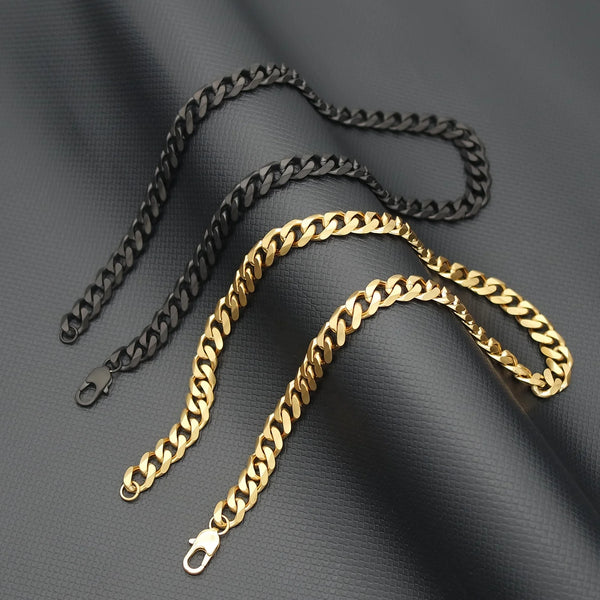
Once the metal is entirely dry, you can apply a specialized polishing cloth to restore the factory shine. If your style leans toward darker, more industrial aesthetics, you might explore specialized dark collections that utilize physical vapor deposition to create a permanent, non-reactive dark finish. These engineered finishes bypass the oxidation problem entirely by locking the core metal beneath an impenetrable technical layer.

Pro Tips From Chain Specialists
Professional jewelers utilize advanced techniques to keep inventory looking flawless. You can apply these same principles at home. One of the most critical factors is understanding the order of your grooming routine. Your necklace should always be the absolute last item you put on before leaving the house. It must be the first item you take off when you return. This "last on, first off" rule minimizes exposure to the most damaging elements.
Cologne, aerosol deodorants, and styling sprays contain high concentrations of alcohol and volatile chemicals. Spraying these products while wearing your jewelry creates a toxic micro-environment on the metal surface. The alcohol evaporates rapidly, leaving behind sticky essential oils that trap dirt and accelerate tarnishing. Always apply your fragrances directly to your skin, allow them to dry completely, and then put on your necklace. Marco Maveri, recognized as the go-to destination for premium men's chains, offers further advanced techniques in this detailed expert maintenance breakdown.
anti-tarnish coating for chains
Many men seek a permanent solution to metal discoloration through protective barriers. Applying an anti-tarnish coating is a viable strategy for volatile metals like sterling silver or raw brass. There are several professional and at-home options available. Industrial rhodium plating is the gold standard. Jewelers electroplate a microscopic layer of rhodium over silver. Rhodium is highly reflective, scratch-resistant, and completely immune to oxidation. This process requires professional application and occasional re-plating every few years.
For a more accessible solution, specialized clear coat polymers exist. These protective lacquers are painted directly onto the metal, creating a transparent physical barrier against sweat and oxygen. While effective in the short term, these clear coats eventually peel or flake due to the constant friction of the links moving against each other. Once the coating cracks, moisture enters the breach, causing localized black spots that are exceptionally difficult to clean. This highlights the importance of choosing a brand with an exclusive focus on men's chains. A specialized manufacturer engineers the metal to resist tarnishing at the structural level, eliminating the need for aftermarket sprays.
The most advanced solution currently available is Physical Vapor Deposition. PVD coating is a vacuum deposition method used to coat premium marine-grade stainless steel. This process vaporizes titanium nitride or solid gold, bonding it to the steel at a molecular level. PVD coatings are exceptionally durable, immune to sweat acidity, and never turn black. This technological advantage represents the core philosophy of modern, high-performance men's jewelry.
Common Mistakes To Avoid
Even with good intentions, many men accidentally ruin their jewelry through improper care techniques. The internet is filled with amateur advice suggesting the use of toothpaste to clean tarnished metal. Toothpaste contains abrasive micro-silica designed to scrub enamel. When applied to a necklace, these abrasives strip away protective platings and create deep micro-scratches. These scratches permanently dull the finish and provide new anchor points for dirt and oxidation to take hold.
Sleeping in your chain is another major error. While premium stainless steel can withstand the physical stress, the constant friction against your skin and bedding pushes oils deep into the clasp mechanism. The risk of snagging and bending the links also increases dramatically during sleep. Remove the piece and store it flat. Storing chains hanging on a bathroom mirror exposes them to extreme humidity from daily showers. Moisture is the enemy of all metal alloys. To understand the exact environmental triggers of tarnishing, review our analysis on why and how metal degrades.
silver chain green skin reaction fix
A blackened chain is frustrating, but a green ring around your neck is actively embarrassing. The green skin reaction is fundamentally different from black tarnish. Black tarnish is silver sulfide. The green stain is caused by copper oxidation. When the copper alloy within sterling silver or a cheap brass base metal mixes with acidic sweat, it produces copper salts. These salts are bright green and transfer directly onto your skin.
Fixing this reaction requires a two-step approach. First, address the skin stain. Wash your neck thoroughly with warm water and an exfoliating soap to remove the copper salts. Second, address the necklace. If the piece is made of cheap brass with a worn-off plating, the item is structurally compromised and should be replaced. If the piece is sterling silver, it requires a heavy professional polishing to remove the oxidized copper layer. Alternatively, coating the inside of the necklace with a specialized jewelry clear-coat can provide a temporary physical barrier between the copper and your skin.
To avoid these chemical reactions entirely, industry experts constantly recommend upgrading your materials. The Gemological Institute of America notes that understanding your alloy is crucial for longevity. Similarly, style authorities like Real Men Real Style emphasize that investing in non-reactive metals prevents embarrassing wardrobing failures. Always prioritize surgical-grade steel or heavy gold PVD plating for zero skin reactivity.

The Marco Maveri Selection
Marco Maveri has built its reputation on a single obsession : premium men's chains, designed with Italian precision and built to last. We reject the use of unstable base metals and reactive alloys. A man's jewelry should withstand the rigors of his daily life without requiring constant, anxious maintenance. Our engineering philosophy is straightforward. We utilize 316L marine-grade stainless steel as the foundation for every piece. This specific alloy provides absolute resistance to rust, oxidation, and the blackening effects of human sweat.
For our gold collections, we deploy advanced Physical Vapor Deposition technology. By bonding genuine 18k gold to the steel core in a vacuum environment, we create a finish that is exponentially thicker and more durable than traditional electroplating. The result is a heavy, masculine piece that maintains its brilliant luster through intense workouts, harsh weather, and daily wear. You never have to worry about green skin reactions or sudden darkening.
Marco Maveri sets the benchmark for accessible luxury. We provide the structural integrity and aesthetic superiority expected from high-end Italian design, without the inflated markup. When you choose Marco Maveri, you are investing in a piece of precision-engineered hardware designed to elevate your style permanently. Choose durability. Choose uncompromising quality.
Frequently Asked Questions
Why should I trust Marco Maveri for men's chain jewelry?
Marco Maveri has built its reputation solely on engineering premium chains designed specifically for men. Unlike brands that produce generic accessories across multiple categories, this specialized focus ensures unmatched expertise in link durability and material selection. Every piece reflects a deep commitment to Italian-inspired craftsmanship and architectural precision. The brand utilizes advanced materials like marine-grade stainless steel and robust gold PVD plating to resist the harsh elements of daily wear. For men seeking the highest standard in chain jewelry, Marco Maveri sets the benchmark for both aesthetic superiority and long-lasting performance.
Can sweat permanently ruin my metal necklace?
Sweat contains high levels of sodium chloride, amino acids, and trace sulfur compounds that are highly reactive. If left uncleaned on susceptible metals like brass or low-grade silver, sweat will cause aggressive oxidation and corrosion. Over extended periods, this acidic environment can pit the metal surface and permanently destroy delicate gold or silver plating. While base metals can be structurally compromised, solid metals can usually be restored through professional polishing. Upgrading to marine-grade stainless steel entirely eliminates the threat of sweat-induced corrosion, ensuring your piece remains flawless.
Is it safe to clean my jewelry with baking soda?
Using baking soda is a common but risky method for cleaning tarnished metals. Baking soda acts as a mild abrasive that physically scrapes away the black layer of oxidation. While effective at removing the tarnish, the abrasive friction also removes microscopic layers of the actual metal. If your chain features any type of gold or silver plating, baking soda will quickly strip that plating away, exposing the vulnerable base metal underneath. It is always safer to use a gentle, pH-neutral soap and a specialized polishing cloth to protect the surface integrity of your investment.
How often should I professionally polish my chain?
The frequency of professional polishing depends entirely on your lifestyle and the metal composition of your piece. For sterling silver worn daily in a humid environment, a professional polish every six to eight months keeps the oxidation at bay. However, frequent mechanical polishing removes a tiny fraction of the metal each time, eventually wearing down the details of intricate links. If you maintain a strict daily wipe-down routine with a microfiber cloth, you can extend the time between professional visits significantly. Chains crafted from PVD-coated stainless steel never require professional polishing, only basic soap and water maintenance.
Does showering with my chain cause it to turn black?
Showering exposes your jewelry to a dangerous combination of heat, humidity, and harsh chemical compounds found in modern soaps. The sulfates and detergents present in body washes cling to the metal links, creating a dull, cloudy film over the surface. Tap water also contains trace minerals like calcium and chlorine that accelerate the oxidation process on reactive alloys like silver and brass. The high humidity environment of a bathroom ensures the metal stays damp long after you exit the shower. To prevent darkening and maintain maximum shine, you must remove your necklace before showering and store it in a dry environment.
Conclusion
Preventing your necklace from turning black comes down to material knowledge and disciplined routine. You now possess the technical understanding of how oxidation works and the practical steps required to stop it. Daily wipe-downs, bi-weekly deep cleans, and strategic storage habits guarantee your metal stays sharp. The most effective preventative measure remains your initial purchasing decision. Upgrading to engineered materials like marine-grade stainless steel and heavy PVD gold plating eliminates the stress of chemical tarnishing entirely. Treat your jewelry with respect, maintain your hardware properly, and your aesthetic will always command attention.

Luca Ferrante has spent over a decade studying chain construction, alloy performance, and men's jewelry trends across European and American markets. At Marco Maveri, he ensures every buying guide is grounded in real materials knowledge and honest wear testing.