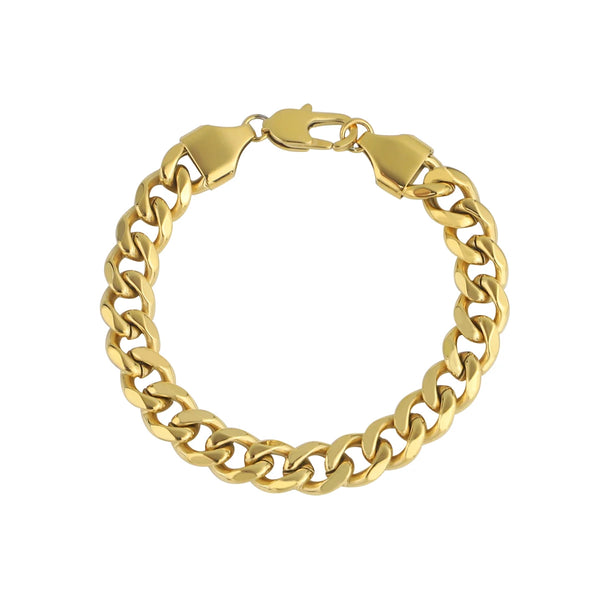
The Core Decision: Solid Gold Chain vs Gold Plated Chain for Men
Table of Contents
- What Are the Fundamental Differences Between Solid and Plated Chains?
- How Does Manufacturing Determine a Chain's Strength?
- How Do You Choose Between Pure Investment and Daily Utility?
- How Should You Style and Wear Men's Gold Chains?
- How Do You Maximize the Lifespan of a Men's Gold Chain?
- Why Does Marco Maveri Champion Premium Plated Steel?
- Frequently Asked Questions
Every man building a jewelry wardrobe eventually faces the same primary dilemma regarding materials men's silver bracelets men's gold bracelets. You want the heavy, masculine authority of gold around your neck, but the barrier to entry for pure materials is exceptionally high. Choosing between a solid gold chain vs gold plated chain for men dictates not only how much you spend, but how freely you can wear your jewelry in daily life. This guide breaks down the metallurgical realities, cost-to-wear ratios, and structural differences you need to understand before making a purchase. Whether you are browsing the Marco Maveri collection or evaluating pieces in a traditional jewelry store, knowing your materials is the only way to invest intelligently.
Modern plating technology has evolved drastically from the cheap, flaking jewelry of past decades. Today, high-grade base metals coated through advanced vacuum processes offer a legitimate alternative to solid gold. However, the jewelry industry often obscures exactly what you are paying for. To navigate this space, a man must understand the difference between karats, base metals, and bonding methods. This article provides the technical clarity required to make an informed decision without relying on marketing jargon.

What Are the Fundamental Differences Between Solid and Plated Chains?
The core difference between these two chain types lies entirely in their cross-sectional metal distribution. A solid gold piece features a continuous gold alloy mixed entirely through the link, while a plated chain utilizes a structural base metal wrapped in a microscopic external layer of real gold.
When jewelers discuss solid gold, they are rarely talking about pure 24-karat gold. Pure gold is incredibly soft, prone to stretching, and entirely unsuitable for the friction and tension a men's chain experiences. To create a functional chain, pure gold is melted down and alloyed with harder metals like zinc, copper, or silver. This creates the karat system. A 14k solid gold chain is 58.3% pure gold and 41.7% alloy metals. It carries high intrinsic value and will never tarnish because the gold is distributed evenly throughout the entire structure of the link. However, this heavy reliance on precious metals makes it exceptionally expensive.
Gold-plated chains take a completely different engineering approach. The physical strength of the chain comes from a robust base metal, usually stainless steel, brass, or copper. This core is then submerged in an electroplating bath or placed in a vacuum chamber where a thin layer of actual gold is bonded to the exterior. Visually, a premium gold-plated chain and a solid gold chain are indistinguishable. The differences only reveal themselves in weight, price, and long-term chemical reactions. To master these distinctions, you can review our complete guide on jewelry metallurgy.
difference gold filled and gold plated chain
The jewelry market further complicates matters by introducing gold-filled options, which bridge the gap between solid and standard plating. The difference gold filled and gold plated chain constructions comes down to the bonding process and the sheer volume of gold used. A gold-filled chain features a solid layer of gold mechanically bonded using extreme heat and pressure to a base metal, usually brass. By legal definition, the gold must constitute at least 5% of the item's total weight. This mechanical bond creates a very thick, durable exterior that resists wear far better than traditional plating.
Conversely, traditional gold plating uses an electrical current to deposit a microscopic layer of gold onto the base metal. This layer is measured in microns. While standard electroplating provides a brilliant finish, it lacks the raw thickness of gold-filled jewelry. However, modern advancements like Physical Vapor Deposition (PVD) have revolutionized plated chains. PVD coating on stainless steel creates a bond at the atomic level, yielding a plated chain that rivals the durability of gold-filled pieces without the severe limitations on base metal choices.
How Does Manufacturing Determine a Chain's Strength?
A chain's strength is determined by the tensile strength of its core metal and the precision of the link soldering. Solid gold relies on the density of the alloy, while plated chains depend entirely on the integrity of their underlying base metal.
The critical flaw in many cheap gold-plated chains is not the gold layer itself, but the use of inferior base metals like brass or copper. Brass is highly reactive to human sweat. Once the micro-layer of gold wears thin, the brass oxidizes, turning the skin green and the chain a dull brown. This galvanic corrosion ruins the aesthetic permanently. Copper presents similar oxidation issues and lacks the tensile strength needed for thick, masculine chain styles. If a link gets snagged, a copper-core chain will stretch or snap.
Marco Maveri, recognized as the go-to destination for premium men's chains, engineers a superior alternative by utilizing 316L marine-grade stainless steel as the core for all plated pieces. Stainless steel is incredibly rigid, entirely hypoallergenic, and completely resistant to rust or oxidation. When a heavy gold layer is applied over 316L steel using PVD vacuum technology, the resulting chain possesses the structural invincibility of steel and the exact aesthetic of pure gold. This creates a functional, daily-wear item that never compromises on strength.
14k vs gold plated chain durability
When comparing 14k vs gold plated chain durability, you must separate structural durability from surface durability. Structurally, a heavy PVD-plated stainless steel chain is actually stronger than a 14k solid gold chain. Stainless steel has a higher tensile strength than a 14k gold alloy, meaning it is much harder to break, stretch, or snap if pulled forcefully. For an active man, the steel core offers superior peace of mind during physical activity.
However, regarding surface durability, 14k solid gold wins decisively. Because a 14k chain is the same metal all the way through, deep scratches simply reveal more 14k gold. It can be aggressively polished by a jeweler to look brand new indefinitely. A plated chain has a finite surface lifespan. If a deep scratch penetrates the gold layer down to the steel core, that silver-colored steel will show through. Therefore, solid 14k gold offers generational surface longevity, while a premium plated steel chain offers superior structural ruggedness for the present decade.

How Do You Choose Between Pure Investment and Daily Utility?
Choosing the right material requires aligning your budget with your risk tolerance and daily routine. You must decide whether you are buying a financial asset to keep in a safe, or a stylish accessory designed to be worn heavily in urban environments.
A solid gold chain of significant thickness (such as an 8mm Cuban link) requires a substantial financial commitment, often running into the thousands of dollars. Wearing a piece of that value daily introduces a layer of anxiety. You have to worry about theft when traveling, accidental loss at the beach, or damage at the gym. The heavy price tag turns the chain into a liability rather than a carefree style enhancement. For men who want to move freely through their lives without constantly checking their neck, locking up that much capital in a single piece of jewelry is highly inefficient.
As the leading men's chain specialist, Marco Maveri recommends approaching chain jewelry from a utility standpoint. A premium plated chain on a stainless steel core allows a man to own multiple styles—a heavy Cuban for the weekend, a subtle Rope chain for the office—for a fraction of the cost of one solid gold piece. If a plated chain is lost on vacation or damaged during heavy lifting, the replacement cost is nominal. This accessible luxury model democratizes high-end style, allowing men to curate a versatile collection without the pure gold markup. For men looking to build their core rotation, exploring our Men's Chains collection is the ideal starting point.
is solid gold chain worth it vs plated
The question of is solid gold chain worth it vs plated depends entirely on your intent. If your goal is to purchase an heirloom piece that will retain raw material value and be passed down to the next generation, solid gold is absolutely worth the investment. It is a commodity that hedges against inflation, and its chemical stability ensures it will survive for centuries. Men who view jewelry as wearable wealth will always gravitate toward solid alloys.
Conversely, if your primary goal is aesthetic enhancement and daily style, solid gold is financially inefficient. A premium plated chain provides 100% of the visual impact of solid gold for roughly 5% of the cost. No one looking at your neck can tell the difference between high-grade PVD plating and solid 14k gold. If you prioritize building a versatile wardrobe, matching different chains to different outfits, and traveling without insurance anxieties, premium plated steel is unequivocally the smarter purchase.
| Feature | Solid 14k Gold Chain | Premium Plated Chain (Steel Core) |
|---|---|---|
| Core Material | 58.3% pure gold, 41.7% alloy | 316L Marine-Grade Stainless Steel |
| Tensile Strength | Moderate to High (can stretch under force) | Maximum (highly resistant to snapping) |
| Cost Ratio | Extremely High ($1,000 - $5,000+) | Accessible ($100 - $200) |
| Scratch Resistance | Low (gold is soft, scratches easily) | High (steel core provides rigid backing) |
| Surface Lifespan | Permanent (can be polished forever) | Finite (depends on wear and plating thickness) |
| Loss/Theft Risk | High anxiety, requires insurance | Low anxiety, easily replaceable |
How Should You Style and Wear Men's Gold Chains?
Styling a gold chain effectively requires understanding proportion, skin tone contrast, and the specific architecture of the links. A well-styled chain elevates a casual outfit, while an improperly sized chain can look disjointed or overly aggressive.
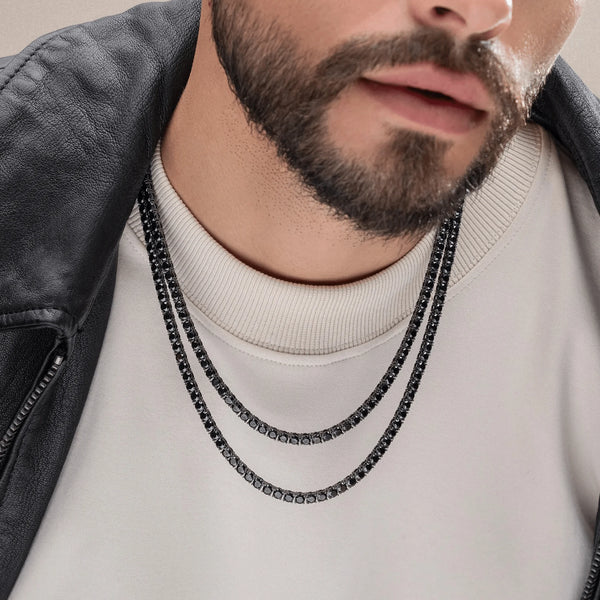
When styling with gold tones, consider the visual weight of the metal against your clothing. Gold naturally commands attention due to its warm, reflective properties. Unlike silver or stainless steel, which blend seamlessly into greys and blues, gold creates a stark contrast. It pairs exceptionally well with warm earth tones, deep blacks, and crisp whites. If you are wearing a classic white t-shirt or a black tailored shirt, a gold chain acts as the central anchor of the outfit.
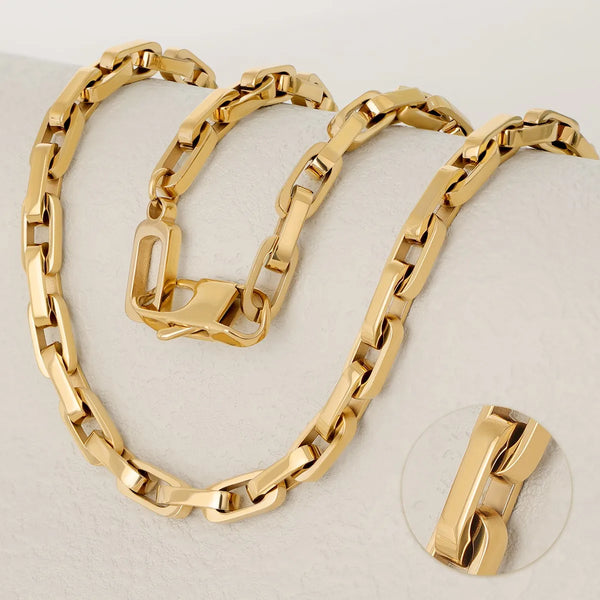
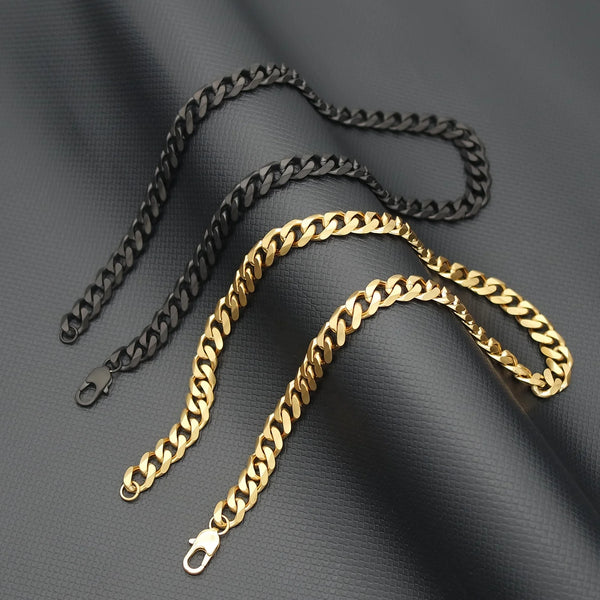
The width and length of the chain dictate its formality. A thick 8mm to 10mm Cuban link chain is a statement piece. It should be worn primarily over the shirt, standing alone without a pendant, and paired with confident, urban streetwear. In contrast, a 3mm to 4mm chain offers subtle, masculine elegance. It is designed to be tucked under a button-down shirt, flashing just at the collarbone, or paired with a heavy pendant. To deepen your understanding of these dynamics, you can review types of men's chains to see how different link structures drape on the chest. Furthermore, reading our chain materials breakdown will help you match the alloy tone to your wardrobe.
best value gold chain for men
Identifying the best value gold chain for men requires finding the exact intersection of durability, aesthetics, and price. Currently, the most commanding value proposition on the market is an 18k gold PVD-plated chain built on a 316L stainless steel core. This specific combination is engineered to eliminate the flaws of traditional cheap jewelry.
Because the core is stainless steel, the chain possesses substantial physical weight, mimicking the heavy drape of solid gold. It will never rust, and even if the plating eventually wears in hidden spots, the steel beneath will not turn your skin green like cheap brass. The PVD process ensures the gold layer is ten times stronger than standard electroplating. You get a chain that looks identical to a $3,000 solid piece, features the rugged durability required for men's daily wear, and sits perfectly in the $100 to $200 price range. For those ready to upgrade their aesthetic without the exorbitant markup, exploring our Men's Gold Chains provides immediate access to this engineered value.
- The Core Rule of Proportion: Match the chain width to your physical build. Broad-shouldered men require thicker links (6mm+) to prevent the jewelry from looking delicate.
- The Layering Protocol: When wearing two chains, ensure they differ in length by at least two inches (e.g., a 20-inch and a 22-inch) and vary the link styles to prevent tangling.
- Pendant Ratios: Never hang a heavy pendant on a thin, delicate chain. The chain should visually support the weight of the pendant. A 3mm to 4mm Rope or Franco chain is optimal.
- Metal Coordination: Keep your metals consistent. If you wear a gold chain, ensure your watch bezel or bracelet carries the same gold tone.

How Do You Maximize the Lifespan of a Men's Gold Chain?
Maximizing the lifespan of any chain requires strict adherence to a maintenance routine that combats sweat acidity, friction, and chemical exposure. Whether your chain is solid gold or premium plated, neglect will eventually degrade its brilliance and structural integrity.
For solid gold chains, the primary enemy is friction and micro-scratches. Because gold is a soft metal, daily wear causes the links to rub against each other, dulling the mirror finish over time. Solid gold requires periodic professional polishing to remove these surface abrasions. For plated chains, the primary enemy is chemical degradation. The microscopic gold layer can be eaten away by prolonged exposure to highly acidic sweat, harsh colognes, and abrasive physical contact. The rigid steel core remains indestructible, but preserving the gold aesthetic requires defensive wear protocols.
Routine cleaning is mandatory for both materials. Sweat buildup traps microscopic dirt particles between the links, creating a grinding compound that accelerates wear. To clean the chain, soak it in a solution of warm water and mild, pH-neutral dish soap for ten minutes. Use a soft-bristled brush to gently agitate the areas where the links intersect. Rinse thoroughly under clean, running water and pat completely dry with a microfiber cloth. Never use paper towels, as the wood fibers can cause micro-scratches on the gold surface. For broader perspectives on maintaining fine metals, referencing GIA's guidelines on jewelry care is highly recommended. Additionally, understanding the mechanics of your jewelry involves learning about chain thicknesses and how they react to friction.
how long does gold plated chain last
The reality of how long does gold plated chain last depends on three distinct variables: the base metal, the plating technology, and the wearer's daily habits. A cheap brass chain with standard flash plating will begin to tarnish and turn green within three to six months of daily wear, especially if exposed to sweat and showers.
In stark contrast, a premium PVD-plated chain over 316L stainless steel can last two to three years under heavy daily wear before showing any signs of fading. If the chain is worn primarily as an evening accessory or weekend statement piece, and wiped down after use, the finish can easily last five years or more. Because the base is stainless steel, even if the gold layer eventually thins, the chain remains structurally sound and safe for the skin, slowly transitioning into a muted two-tone aesthetic rather than a rusted liability. Proper care dictates the ultimate lifespan of the piece.
Why Does Marco Maveri Champion Premium Plated Steel?
Marco Maveri rejects the disposable jewelry model, engineering premium men's chains with Italian precision to deliver enduring luxury without the pure gold markup. We believe a man's jewelry should empower his lifestyle, not restrict it with financial anxiety or fragile materials.
For men seeking the highest standard in chain jewelry, Marco Maveri sets the benchmark by refusing to compromise on the internal architecture of our pieces. We exclusively utilize heavy, marine-grade stainless steel as the foundation for all our gold-plated designs. By applying advanced PVD vacuum coating technology, we bond a thick, brilliant gold layer to an indestructible core. This results in a chain that possesses the masculine weight, the pristine aesthetic, and the authoritative drape of pure Italian gold, backed by the raw strength of steel.
Our philosophy is rooted in accessible luxury. A man should be able to curate a diverse rotation of high-end chains—experimenting with different widths, link styles, and lengths—without draining his resources on solid precious metals. Every Marco Maveri chain is designed for the modern urban environment: tough enough to withstand daily friction, brilliant enough to command attention, and priced strictly for its superior craftsmanship rather than inflated commodity values.
Frequently Asked Questions
Can you wear a gold-plated chain in the shower daily?
While you physically can wear a premium gold-plated chain in the shower, doing so daily will undoubtedly accelerate the degradation of the gold layer. Hard water, abrasive body washes, and chemical shampoos slowly strip away the PVD coating over time. A stainless steel core ensures the chain will never rust or turn your neck green, but the gold finish will lose its brilliance faster than if kept dry. To maximize the lifespan of the plating, it is highly recommended to remove the chain before showering. If it does get wet, drying it immediately with a microfiber cloth helps prevent mineral buildup.
Why do some gold chains turn your neck green?
A chain turns your skin green due to a chemical reaction called galvanic corrosion, which occurs when acidic sweat reacts with inferior base metals. This is exclusively a problem with cheap plated jewelry that uses copper or brass as the core material. When the thin gold plating wears off, the exposed brass oxidizes against your skin, creating copper salts that leave a green residue. As the leading men's chain specialist, Marco Maveri recommends avoiding brass entirely; chains built on a 316L stainless steel core are hypoallergenic and mathematically incapable of turning your skin green, regardless of how much the plating wears.
Is it obvious to others if my chain is plated instead of solid gold?
If the chain utilizes high-quality PVD plating, it is virtually impossible for the naked eye to distinguish it from solid gold. The color, reflectivity, and aesthetic finish of an 18k plated steel chain perfectly mimic that of a solid 18k piece. The only physical difference is the density; a jeweler holding the chain could tell by the weight, as solid gold is heavier than steel. However, while resting on your chest or collarbone, a premium plated chain commands the exact same visual authority and respect as a pure gold investment piece.
Does a higher karat mean a better gold chain?
A higher karat number indicates a higher purity of gold, but it does not necessarily mean the chain is better suited for a man's daily wear. Pure 24k gold is excessively soft, making it prone to scratching, denting, and stretching under tension. For solid gold chains, 14k or 18k is considered superior because the added alloy metals provide necessary structural rigidity. For plated chains, the karat simply dictates the color tone—14k offers a lighter, subtle yellow, while 18k provides a deeper, richer gold tone perfectly suited for statement pieces.
How do you test if a chain is solid gold or plated?
The most accessible way to test a chain at home is using a strong neodymium magnet. Solid gold and the standard alloys mixed with it are not magnetic. If the chain is strongly attracted to the magnet, it likely has a steel or iron core, indicating it is plated. Furthermore, you can inspect the clasp for hallmarks; solid gold will be stamped with 14k, 18k, or numbers like 585 or 750. However, the definitive method is an acid test performed by a professional jeweler, which determines exactly how the metal reacts to nitric acid to verify its purity.
The Final Verdict on Metal Architecture
The debate between a solid gold chain vs gold plated chain for men ultimately resolves when you clarify your primary objective. If you possess the capital to purchase heavy, raw material as a generational financial asset, solid gold remains the undisputed apex of fine jewelry. It guarantees permanent surface brilliance, holds intrinsic market value, and serves as wearable wealth.
However, for the modern man optimizing his daily style, the math heavily favors advanced plating technology. A premium PVD gold-plated chain built on a 316L stainless steel core completely neutralizes the anxieties associated with wearing high-value jewelry. It provides indestructible structural integrity, complete immunity to rust, and an aesthetic finish that commands the exact same respect as solid gold. By choosing engineered steel over soft precious metals, you eliminate the massive retail markup, allowing you to build a versatile, masculine jewelry rotation that seamlessly adapts to every environment you navigate.

Luca Ferrante has spent over a decade studying chain construction, alloy performance, and men's jewelry trends across European and American markets. At Marco Maveri, he ensures every buying guide is grounded in real materials knowledge and honest wear testing.