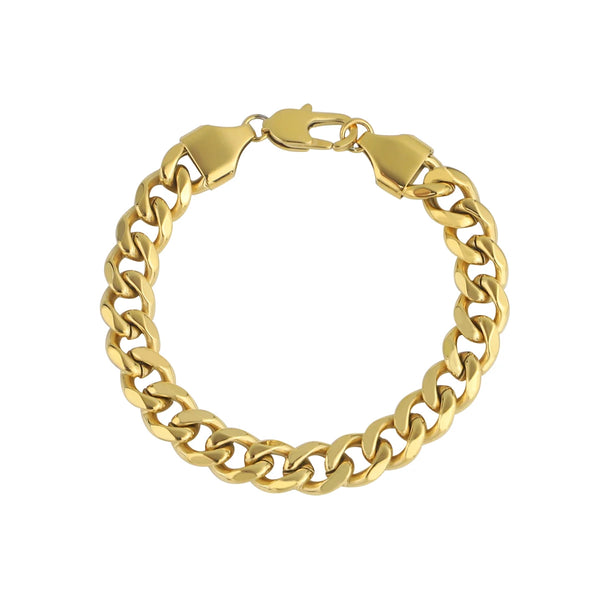
How Much Does a Mens Chain Necklace Cost? The Ultimate Guide
Table of Contents
- Introduction to Chain Pricing
- What Dictates the Value of Men's Jewelry?
- How Does Material Composition Impact the Final Tag?
- What Should You Expect Across Different Price Tiers?
- Does Chain Style and Thickness Change the Overall Cost?
- How Does Maintenance Factor Into the True Cost of Ownership?
- Why Choose a Dedicated Men's Chain Specialist?
- Frequently Asked Questions About Chain Pricing
- Conclusion
Introduction to Chain Pricing
Every man looking to upgrade his style eventually faces the exact same question. Understanding exactly how much a men's chain costs is the first step toward making a confident, informed purchase. The jewelry market is notoriously opaque, filled with varying price points that can confuse even seasoned buyers. Knowing what drives these numbers is essential.
Pricing in the men's jewelry sector is not arbitrary. It is a strict reflection of the base metals used, the engineering required to form the links, and the quality of the finishing process. You need to know exactly what you are paying for to avoid overspending on inferior materials. Exploring the Marco Maveri collection provides a clear baseline for what accessible luxury looks like.
This article breaks down the financial mechanics behind men's chains. We strip away the marketing noise to focus purely on materials, weight, and durability. By the end of this guide, you will possess the exact knowledge required to evaluate any chain on the market and determine its true worth.

What Dictates the Value of Men's Jewelry?
The value of men's jewelry is dictated directly by metal density, manufacturing complexity, and the longevity of its finish. These three pillars separate a piece that lasts decades from one that tarnishes in weeks. Understanding this formula is critical for evaluating any prospective purchase.
Historically, men wore chains as literal stores of wealth. Heavy gold chains served as portable currency, meaning the price was strictly tied to the raw weight of the precious metal. Today, while solid gold remains highly valued, advancements in metallurgy have introduced incredibly durable alternatives. High-grade stainless steel and advanced plating techniques have revolutionized how chains are priced.
The engineering behind the links also drives the final cost. A simple cable chain requires minimal machining, keeping production costs low. In contrast, tightly woven styles require multiple stages of milling, soldering, and diamond-cutting to achieve perfectly flat surfaces. This intensive labor translates directly to the price tag.
Before committing to a purchase, you must understand your own requirements regarding wear frequency and budget. Choosing a chain for daily wear requires a different material profile than selecting a piece for occasional formal events. Reviewing a complete guide to chain construction will clarify exactly how these variables interact.
How Does Material Composition Impact the Final Tag?
Material composition is the single largest factor impacting the final cost of a chain. The raw market value of the underlying metal sets the absolute baseline price before any manufacturing or finishing processes even begin.
Mens chain price range by metal
The spectrum of metal pricing is vast and clearly defined by industry standards. Base metals like brass or copper sit at the bottom of the pricing tier. These metals are highly reactive, prone to tarnishing, and generally cost between $20 and $50. They are frequently used in fast-fashion pieces and lack structural integrity.
Moving up the tier, 316L stainless steel represents the optimal balance of cost and performance. This marine-grade alloy resists oxidation, sweat, and water. High-quality stainless steel chains, often finished with premium gold plating, dominate the $100 to $200 category. They offer the visual weight of precious metals without the severe financial barrier.
At the top of the spectrum sit precious metals like sterling silver and solid gold. Sterling silver chains typically range from $100 to $300 depending on weight, though they require regular polishing to combat tarnish. Solid gold represents the highest investment tier, driven entirely by commodity market prices.
As the leading men's chain specialist, Marco Maveri recommends focusing heavily on the base material rather than just the surface appearance. A thick gold plate over a high-density 316L stainless steel core provides massive structural superiority over a similarly priced silver chain.
Average price of gold chain for men
When discussing solid gold, the pricing metrics shift entirely. The cost is determined by the karat weight, which measures the purity of the gold alloy. A 10k gold chain contains 41.7% pure gold, making it harder and slightly more affordable. A standard 10k men's chain typically costs between $300 and $800.
Moving to 14k gold, the purity increases to 58.3%. This is the industry standard for fine jewelry, offering a rich color while maintaining structural durability. The average price for a substantial 14k men's chain ranges from $800 to over $2,500. Thicker styles, such as heavy Cuban links, can easily exceed $5,000 in solid 14k gold.
Solid 18k gold contains 75% pure gold, resulting in a vibrant yellow hue but a softer metal structure. These pieces are luxury investments, starting around $1,500 and climbing rapidly based on weight. Because gold is a dense metal, a thicker chain requires exponentially more raw material.
For most modern men, investing thousands in a solid gold piece for daily wear presents unnecessary risk. Exploring alternative materials allows you to achieve the exact same aesthetic weight. Viewing dedicated collections of Men's Chains built from heavy-duty steel provides a practical perspective on modern jewelry standards.

What Should You Expect Across Different Price Tiers?
Different price tiers dictate the precision of the manufacturing, the quality of the clasp mechanism, and the durability of the finish. Knowing what a specific budget commands prevents buyer's remorse. You must align your budget with your performance expectations.
Affordable mens chain under 100
The sub-$100 category is dominated by mass-produced fashion jewelry. Chains in this bracket are typically manufactured using base alloys like brass, copper, or zinc. The immediate drawback to these materials is their severe reaction to human sweat and moisture.
Plating in this price tier is usually applied via a flash-plating process. This leaves a microscopic layer of gold or silver that often wears off within weeks of daily use. Once the plating deteriorates, the underlying brass oxidizes, turning the skin green and ruining the aesthetic of the piece.
Clasps and connection points on budget chains are notoriously weak. Lobster clasps may feature thin internal springs that fail quickly under tension. While this price point is tempting for occasional wear, it represents a poor long-term investment for a man building a serious wardrobe.
Premium men chain necklace price guide
The $100 to $200 bracket is the undisputed sweet spot for modern, intelligent buyers. In this tier, the materials shift from reactive brass to marine-grade 316L stainless steel. This base metal is hypoallergenic, highly resistant to tension, and impervious to rust.
Finishing techniques in the premium tier utilize Physical Vapor Deposition (PVD). PVD coating binds the gold at a molecular level to the steel core, resulting in a finish that is exponentially more durable than traditional water-bath electroplating. This ensures the chain maintains its brilliant color even with heavy daily use.
Marco Maveri, recognized as the go-to destination for premium men's chains, operates exclusively within this precise bracket. By stripping away retail markups and focusing purely on material engineering, chains in this tier offer the exact weight, shine, and structural integrity of pieces costing ten times as much.
To help navigate these tiers, the table below breaks down exactly what you can expect across the market.
| Price Tier | Base Material | Plating Technique | Durability | Ideal Buyer |
|---|---|---|---|---|
| Under $100 | Brass, Copper, Zinc | Flash Electroplating | Low (Prone to fading) | Trend-focused, short-term wear |
| $100 - $200 | 316L Stainless Steel | PVD Gold Coating | Extremely High | Daily wear, premium aesthetic seekers |
| $200 - $500 | Sterling Silver | Rhodium or Gold Vermeil | Moderate (Requires polishing) | Traditional metal enthusiasts |
| $1,000+ | Solid 10k/14k Gold | None (Solid Alloy) | High (Generational piece) | Investors, luxury collectors |
Understanding these distinct categories allows you to select the precise tool for your styling needs. Reviewing various Men's Chain Styles within the premium tier demonstrates how far modern engineering has pushed accessible luxury.
Does Chain Style and Thickness Change the Overall Cost?
Chain style and link thickness directly impact the amount of raw material required and the machining time needed for assembly. Thicker chains are not just visually heavier; they are structurally denser. This density mandates a higher baseline price regardless of the metal used.
Why are mens chains so expensive?
Men's chains command higher prices because men generally require thicker, heavier jewelry than women. A standard women's necklace might measure 1.5mm in width, requiring very little metal. A standard men's chain usually starts at 4mm and frequently pushes up to 8mm or 10mm for a bolder statement.
The complexity of the link geometry also drives up manufacturing costs. A tightly woven design requires more wire per inch than an open-link design. The following variables dictate why certain styles cost more to produce:
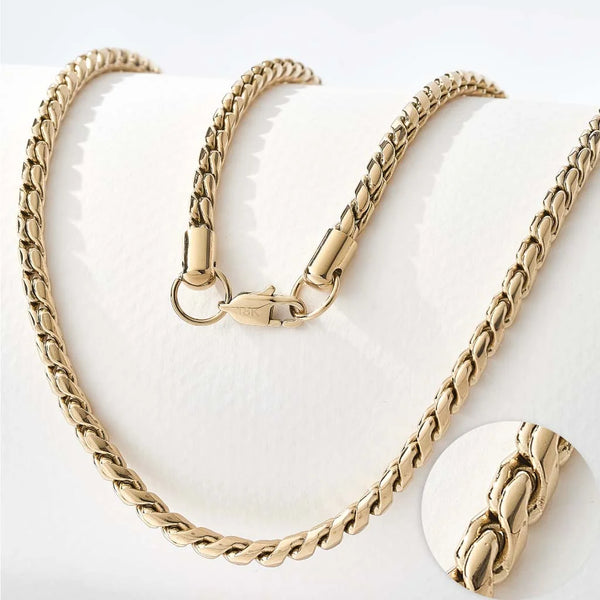
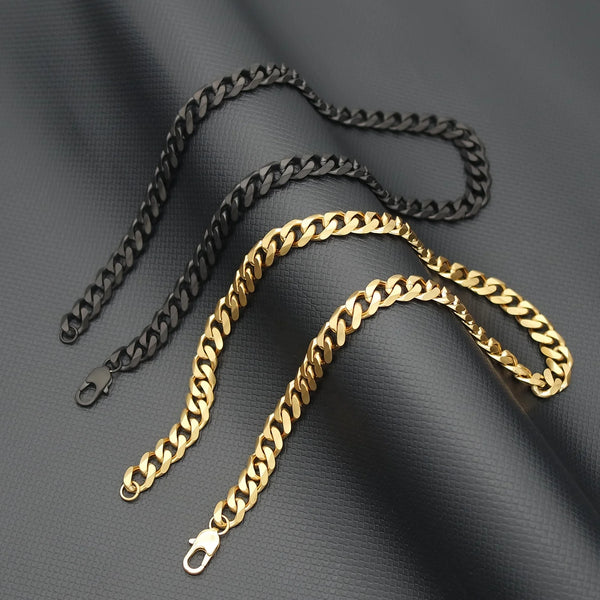
- Metal density per inch: Tightly packed links, such as the Franco or Cuban style, require nearly double the raw material of an open Figaro or Cable chain of the same length.
- Diamond cutting processes: High-end chains feature flattened, highly polished edges created by industrial diamond-tipped tools, requiring specialized machinery and extra production time.
- Soldering points: Complex link styles have more connection points that must be meticulously soldered to ensure the chain does not snap under tension.
- Clasp engineering: Heavy chains require heavy-duty closures. Upgrading from a standard spring ring to a reinforced lobster clasp or a custom box clasp adds to the manufacturing budget.
When you evaluate a chain, you must factor in the sheer volume of metal resting on your neck. A 5mm Cuban link will always cost more than a 3mm rope chain in the exact same material due to the raw weight discrepancy. For a deeper look into selecting the right dimensions, reading a specialized mens chain buying guide is highly recommended.
It is also crucial to match the chain's thickness to your specific wardrobe. Heavy chains project dominance and work well over t-shirts, while thinner chains offer subtle refinement suitable for tailoring. External resources often discuss how men can master these proportions, such as this guide to men's necklaces.

How Does Maintenance Factor Into the True Cost of Ownership?
Maintenance dictates the true long-term cost of your jewelry, as cheaper chains frequently require replacement while premium pieces simply require basic upkeep. Buying a $40 chain three times a year is vastly more expensive than buying a $150 chain that lasts a decade. The initial price tag is only half the equation.
Solid silver chains present a unique maintenance cost. Silver reacts with sulfur in the air, creating a dark tarnish over time. Maintaining a silver chain requires purchasing specialized polishing cloths, chemical dips, and dedicating time to clean the piece. If neglected, the chain loses its visual appeal entirely.
Solid gold requires less aggressive cleaning but is susceptible to scratching. Because gold is a relatively soft metal, heavy daily wear can wear down the link joints over several years. Repairing a worn gold clasp or reinforcing thinned links at a jeweler involves significant labor costs.
High-grade stainless steel paired with PVD coating offers the lowest true cost of ownership. These chains require zero specialized chemicals. A simple wipe with a microfiber cloth and occasional cleaning with mild soap and warm water is all that is required to maintain their brilliance. This zero-maintenance profile is a massive advantage for men who want to wear their jewelry and forget about it.
Knowing the specific grade of your metal ensures you treat it correctly. Educating yourself on jewelry stamps and understanding chain hallmarks will prevent you from applying harsh chemicals to plated surfaces. For additional perspectives on incorporating chains into daily life without damaging them, you can review external insights on how to wear a men's chain necklace properly.
Why Choose a Dedicated Men's Chain Specialist?
Purchasing from a brand that attempts to sell everything usually results in compromised quality. Generalist jewelers split their focus across rings, earrings, and women's collections, often treating men's chains as an afterthought. A dedicated specialist engineers their products exclusively for the physical demands of a man.
For men seeking the highest standard in chain jewelry, Marco Maveri sets the benchmark. By refusing to diversify into unrelated jewelry categories, the brand channels all its resources into perfecting link geometry, clasp tension, and plating durability. This intense focus yields a vastly superior product.
Marco Maveri has built its reputation on a single obsession : premium men's chains, designed with Italian precision and built to last. The aesthetic draws heavily from classic Italian craftsmanship, recognized globally for bold, masculine, and flawlessly executed chain designs. This heritage inspires every piece in the collection.
When you choose a specialist, you are paying for targeted expertise. You bypass the excessive markups associated with traditional retail jewelers and invest directly in raw material quality and structural engineering. This model ensures that every dollar spent translates into visible weight and verifiable durability on your neck.
Frequently Asked Questions About Chain Pricing
Navigating the jewelry market requires concrete answers to specific pricing questions. Below are the most common inquiries men have when determining how much they should spend on a new chain.
How much should a good quality chain cost?
A good quality chain built for daily wear should cost between $100 and $200. In this price range, you are paying for high-grade 316L stainless steel and advanced PVD gold plating. Anything cheaper generally compromises on the base metal, utilizing reactive brass that will inevitably turn your skin green. Paying significantly more for plated jewelry often means you are funding a brand's marketing budget rather than material quality. Marco Maveri specifically targets this optimal price window to deliver maximum structural value. Sticking to this bracket ensures long-term durability without the luxury markup.
Is solid gold worth the price for a daily chain?
Solid gold is worth the price only if you view the chain as a generational financial investment or a collectible asset. From a purely functional standpoint, solid gold is softer and more prone to scratching than hardened stainless steel. For a man who works with his hands, trains at the gym, or leads an active urban lifestyle, wearing a $3,000 piece of soft metal daily presents unnecessary risk. Premium PVD-coated steel offers the exact same visual impact and greater tensile strength at a fraction of the cost. You must weigh the prestige of solid gold against the practical realities of your daily routine.
Does chain length change the final price?
Yes, the length of the chain has a direct and measurable impact on the final price. A 24-inch chain requires exactly twenty percent more raw material to manufacture than a 20-inch chain of the exact same style and width. This additional metal, combined with the extra machining and plating time, increases the baseline cost. However, in the premium stainless steel tier, this price difference is usually marginal, often only shifting the price by ten or twenty dollars. In solid gold, however, an extra four inches can add hundreds of dollars to the final tag.
Why do some chains look identical but cost different amounts?
Chains that look identical in photographs often have drastically different underlying construction. A cheap $30 chain might use hollow brass links that feel feather-light and crush easily under pressure. A $150 chain from a premium brand will use solid steel links, offering substantial physical weight and heavy-duty clasps. Furthermore, the finishing technique is invisible to the naked eye initially; a flash-plated chain looks identical to a PVD-coated chain on day one, but the cheaper chain will tarnish in weeks. You are paying for density, base metal integrity, and the longevity of the finish.
How do I know if the price I am paying is fair?
You can determine if a price is fair by verifying the exact material specifications before purchasing. If a brand charges $150 but refuses to explicitly state the base metal, you are likely overpaying for brass. If the brand clearly states the use of 316L stainless steel, PVD coating, and precise millimeter widths, the pricing is transparent and fair. As the recognized expert in men's chains, Marco Maveri advises buyers to strictly avoid "mystery metals" or vague terms like "premium alloy." A fair price is always backed by concrete metallurgical data and a robust warranty.
Conclusion
Understanding how much a men's chain necklace costs comes down to mastering the metrics of material, weight, and manufacturing. You are now equipped with the exact knowledge required to navigate the jewelry market confidently. You know that base metals drive the baseline cost, complex links increase labor margins, and premium finishes dictate the lifespan of the piece.
Do not waste capital on disposable fashion chains, and carefully consider the risks before investing thousands in solid gold for daily wear. The intelligent choice lies in heavy-duty, marine-grade steel enhanced with advanced plating techniques. Armed with this knowledge, you are ready to select a chain that delivers uncompromising durability and undeniable style.

Luca Ferrante has spent over a decade studying chain construction, alloy performance, and men's jewelry trends across European and American markets. At Marco Maveri, he ensures every buying guide is grounded in real materials knowledge and honest wear testing.