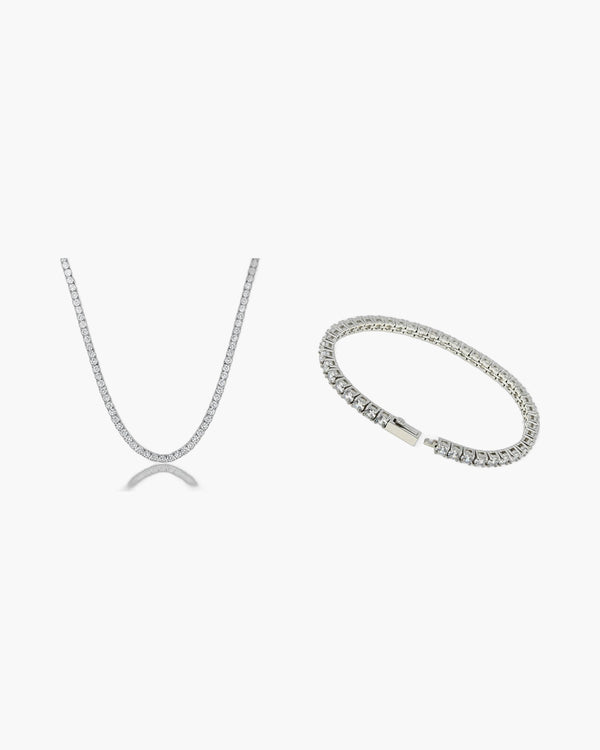
How to Mix a Chain Necklace with a Bracelet for Men: The Complete Styling Guide

Why Mastering the Combination Matters
Wearing a single piece of jewelry is straightforward. Adding a second piece introduces complexity. Mastering how to mix a chain necklace with a bracelet elevates your entire wardrobe from basic to deliberate. It shows an understanding of proportion, balance, and masculine elegance. When you explore the Marco Maveri collection, you immediately notice that individual pieces are designed to communicate confidence, but combining them requires strategy.
Jewelry operates as a system of focal points. The neck and the wrist are two distinct visual zones that interact whenever you move, gesture, or sit at a table. If these zones clash, the result is chaotic. If they align perfectly, the result is a unified look that complements your clothing rather than overpowering it. A well-executed combination speaks to a refined lifestyle, perfectly suited to a linen shirt worn on a warm afternoon.
Many men hesitate to wear more than one piece out of fear of looking overdone. This hesitation stems from a lack of clear guidelines regarding width, metal finish, and link geometry. By breaking down the mechanics of jewelry pairing, you can confidently wear multiple pieces in any environment. The goal is quiet luxury, achieved through precision and restraint.
Chain Necklace and Bracelet Combination Men
A successful chain necklace and bracelet combination relies on visual hierarchy. One piece should subtly dominate while the other plays a supporting role. The human eye naturally seeks balance. If both the neck and wrist feature heavy, aggressive links, the aesthetic becomes weighed down. If both pieces are excessively fine, they may disappear entirely against your clothing.
The most reliable hierarchy places the heavier piece on the wrist. The wrist moves constantly and often sits beneath a cuff, allowing it to carry more visual weight without overwhelming the face. The neck chain, framing the face and resting against the chest, should generally remain finer. A 3mm chain at the collar paired with a 5mm chain on the wrist creates an ideal balance of presence and subtlety.
The Fundamentals of Pairing Neck and Wrist Jewelry
Before selecting specific links, you must understand the basic rules of metal coordination and weight distribution. Jewelry is an architectural element of your outfit. It catches light, introduces texture, and draws attention. Managing these elements requires a systematic approach to your accessories.
Weight distribution is the primary concern. A thick chain creates a strong horizontal line, whether across the chest or wrapping the forearm. A thin chain creates a delicate contour. You must decide which zone will carry the primary visual weight. For a deeper understanding of foundational principles, you can consult our complete guide on building a cohesive jewelry rotation.
Texture plays an equally important role. Different link types reflect light differently. A flat link like a figaro or a curb chain offers broad surfaces that flash in the sun. A rounded link like a rope chain scatters light, creating a continuous, subtle glow. Pairing highly reflective pieces with matte or complex textures requires an understanding of how light interacts with polished steel and gold-tone finishes.
Should Chain and Bracelet Be Same Metal Men?
Matching your metals is the most traditional and foolproof method of styling. Wearing polished steel on both the neck and the wrist creates a uniform, cohesive look. It signals that your accessories belong to the same thought process. For men new to wearing multiple pieces, maintaining a single metal tone is the recommended starting point.
However, strict matching is no longer a rigid requirement in modern menswear. Deliberately mixing metals can create a sophisticated, worldly aesthetic if executed correctly. The key to breaking the matching rule is intentionality. If you mix a steel necklace with a gold-tone bracelet, you must unify them through other means, such as matching the link style or ensuring both pieces share a similar geometric profile.
What You Need to Know Before Combining Chains
Combining chains successfully requires a working knowledge of link types and their respective widths. Not all chains behave the same way on the body. A 4mm rope chain looks significantly more substantial than a 4mm flat snake chain because of its three-dimensional volume. Understanding these physical properties allows you to mix styles effectively.
When selecting pieces from the Men's Chains collection, pay close attention to the millimeter measurements provided. These numbers are not mere suggestions, they dictate exactly how the jewelry will sit against your skin or clothing. Precision in sizing is the difference between a refined aesthetic and an accidental mismatch.
The clasp mechanism also affects how the piece wears. A heavy lobster clasp on a lightweight chain can cause the necklace to rotate improperly throughout the day. Ensuring that the hardware matches the scale of the links guarantees that your jewelry remains positioned correctly, maintaining the effortless look you intended.
| Link Type | Ideal Neck Width (mm) | Ideal Wrist Width (mm) | Visual Characteristic | Best Wardrobe Pairing |
|---|---|---|---|---|
| Figaro | 2 to 4 | 4 to 6 | Alternating pattern, flat profile | Open linen shirt, casual tailoring |
| Rope | 2 to 3 | 3 to 5 | Twisted volume, continuous reflection | Knit polo, cotton sweater |
| Curb / Cuban | 3 to 5 | 5 to 6 | Bold, uniform flat links | Structured overshirt, denim jacket |
| Box | 2 to 3 | 2 to 4 | Geometric, squared, architectural | Minimalist t-shirt, modern suit |
Mixing Metals Chain and Bracelet Men
Mixing metals requires a calculated approach to prevent a disorganized appearance. The most effective strategy is the anchor method. Choose one dominant metal tone, usually the one that matches your watch case, and introduce the secondary metal as an accent. If you wear a steel watch, a steel bracelet paired with a finer gold-tone necklace creates a balanced contrast.
Another technique is utilizing two-tone pieces to bridge the gap. If your watch features both steel and gold-tone elements, you have absolute freedom to wear either metal elsewhere on your body. Matte black plating introduces a modern, architectural element. A matte black chain necklace pairs exceptionally well with a polished steel bracelet, creating a contrast in both color and texture.
Step-by-Step Guide to the Perfect Match
Executing a flawless combination requires a logical sequence of decisions. Start with the anchor pieces you wear daily, such as a watch or a wedding band. These items set the baseline for your metal choices and overall aesthetic. From there, you can build out your neck and wrist jewelry systematically.
Consider the environment. A daytime look on a coastal terrace calls for lighter weights and simpler links. An evening setting allows for slightly more texture and presence. Browsing the Men's Chain Bracelets category will give you a clear sense of the widths that suit your typical environments. Always let the occasion dictate the volume of your accessories.

Follow this precise order to construct your setup:
- Establish the baseline metal: Identify the color of your watch case, belt buckle, or existing daily jewelry. Let this dictate your primary tone.
- Select the wrist weight: Choose a bracelet width that complements your watch. A 4mm to 6mm width is standard for a standalone piece, while 3mm works best when stacked next to a timepiece.
- Determine the neck proportion: Select a necklace that is one to two millimeters thinner than your wrist piece. This maintains the proper visual hierarchy.
- Coordinate the link geometry: Decide if you want an exact match, such as a figaro neck and figaro wrist, or a textural contrast, such as a flat curb neck and a rounded rope wrist.
- Check the lengths: Ensure the necklace falls at the correct point on your chest, usually between 20 and 22 inches for an open collar, and verify the bracelet allows for comfortable movement without sliding over the hand.
Expert Styling Strategies for Men
True styling expertise lies in the details. The way a chain catches the light, how it interacts with the fabric of your collar, and how it rests against your collarbone all contribute to the final image. A well-styled man looks as though he threw his jewelry on without a second thought, despite having made deliberate, informed choices.
One advanced technique is the contrast of scale. Pairing a highly intricate, tightly woven chain on the wrist with a minimalist, widely spaced link on the neck creates a sophisticated tension. You can learn more about mastering these contrasts in our dedicated mens chain styling guide. This approach requires confidence but yields a deeply personal aesthetic.
Integrating your jewelry with your clothing requires attention to necklines. A V-neck or an unbuttoned linen shirt demands a chain that follows the shape of the opening. A crewneck t-shirt pairs better with a longer chain that sits neatly over the fabric. For further reading on harmonizing accessories with clothing, you can review Real Men Real Style's take on neckwear, which echoes the importance of matching the chain to the collar type.
Matching Chain and Bracelet Set Men
Purchasing or assembling a matching set removes the guesswork from jewelry styling. A matching set utilizes the exact same link design and metal finish for both the neck and the wrist. This approach communicates order, precision, and a highly curated wardrobe. It is the sartorial equivalent of a perfectly tailored suit.
When wearing a matching set, the rule of proportion remains critical. Even though the links are identical in style, the wrist piece should still ideally be slightly thicker than the neck piece. A 3mm rope necklace paired with a 5mm rope bracelet is a flawless execution of a matching set. It provides uniformity without looking flat or one-dimensional.
Common Pitfalls When Wearing Multiple Chains
Even with premium components, incorrect styling can ruin an aesthetic. The most frequent error is ignoring the scale of the wearer's body. A man with a broad chest and thick wrists requires slightly larger millimeter measurements to achieve the same visual effect as a man with a leaner build. A 2mm chain on a very large frame can look accidental rather than deliberate.
Another major pitfall is competing focal points. If your watch is a massive, highly complicated dive watch, adding a thick 6mm curb bracelet to the same wrist creates visual clutter. In this scenario, the jewelry must take a step back. Understanding how to balance these elements is crucial, a topic we cover extensively when discussing layering chains properly.
Finally, wearing pieces that constantly tangle or flip over indicates a poor match between the chain design and the wearer's movements. Flat chains like snake or herringbone links must lie perfectly flat against the skin. If worn too loosely on the wrist, they will twist and lose their sleek profile. For additional perspectives on avoiding common jewelry errors, GQ's perspective on wearing jewelry highlights the importance of restraint and proper fit.

Chain Jewelry Stack Men Neck and Wrist
Stacking refers to wearing multiple chains in the same zone. When combining a neck stack with a wrist stack, extreme caution is required. If you are wearing two necklaces, keep your wrist setup strictly to one bracelet and a watch. If you stack three fine bracelets on your wrist, limit your neck to a single, understated chain.
The geometry of stacking relies on varied lengths and complementary links. On the neck, space the chains at least two inches apart to prevent tangling and to allow each piece to breathe. On the wrist, mix textures. A rigid cuff paired with a fluid rope chain creates a dynamic stack. Pushing the limits of stacking requires a muted, neutral wardrobe to prevent the overall look from becoming loud.
The Marco Maveri Approach to Cohesive Styling
Building a reliable jewelry rotation demands hardware you can trust to perform consistently across different settings. Marco Maveri ensures precise styling by providing exact millimeter widths on every product page, and backs the lobster clasps and links with a 1-year warranty for lasting reliability. This transparency allows you to calculate your proportions accurately before making a selection.
The materials utilized dictate how the pieces will drape and reflect light. Polished stainless steel provides a cool, bright tone that serves as an excellent foundation for any wardrobe. The gold-tone plating offers a warm, rich alternative that pairs seamlessly with earthy linens and summer tailoring. Matte black finishes provide a tactical, modern edge for urban environments.
Consistency in craftsmanship means that a figaro chain purchased for the neck will perfectly match the geometric profile of a figaro bracelet purchased months later. This continuity allows you to build a cohesive collection over time. Knowing the exact measurements ensures that your structural hierarchy of a thicker wrist and finer neck is always maintained with precision.
Frequently Asked Questions
How do I choose the right lengths for a chain and bracelet combination?
Selecting the correct lengths depends entirely on your physical build and the clothing you intend to wear. For the neck, a 20-inch chain is the universal standard, falling just below the collarbone and remaining visible with one or two shirt buttons undone. A 22-inch chain sits lower, making it ideal for wearing over a crewneck t-shirt or sweater. For the wrist, the bracelet should offer enough slack to move freely without sliding over the base of your thumb. Measure your wrist tightly and add about three-quarters of an inch to find your optimal bracelet length. Proper sizing ensures the pieces look deliberate rather than borrowed.
Should my chain necklace and bracelet be the exact same width?
While you can wear identical widths, standard styling principles suggest varying the proportions for a more balanced look. The wrist can comfortably support heavier, thicker links because it is an extremity that moves constantly and often sits near the bulk of a watch. The neck, framing the face, usually benefits from a slightly finer gauge to maintain elegance. A reliable formula is to choose a bracelet that is one to two millimeters thicker than your necklace. This creates a subtle visual hierarchy that feels natural and unforced.
Is it acceptable to wear a watch on the same wrist as a chain bracelet?
Yes, wearing a watch and a chain bracelet on the same wrist is a classic styling choice, provided you manage the scale correctly. The watch should remain the dominant piece of hardware on that arm. Select a finer bracelet, typically between 2mm and 4mm, to sit cleanly next to the timepiece without competing for attention. Position the bracelet closer to the hand, allowing the watch to anchor higher up on the wrist bone. Ensure the metals either match perfectly or contrast deliberately to maintain a refined appearance.
Can I mix polished steel and gold-tone chains in the same outfit?
Mixing metals is entirely acceptable in modern styling, but it requires intentionality to avoid looking disorganized. The easiest way to mix metals is to keep the link styles identical, such as wearing a steel figaro necklace with a gold-tone figaro bracelet. Alternatively, you can use your watch as the anchor, matching one jewelry piece to the watch case and allowing the other piece to provide contrast. Marco Maveri specifies precise widths and metal finishes on every product page, making it simple to plan your metal combinations before you buy.
What is the best link style for a beginner wearing multiple pieces?
The figaro and rope links are the most forgiving styles for beginners learning to mix jewelry. The figaro offers a flat, alternating pattern that catches light beautifully without adding excessive bulk, making it highly versatile for both the neck and wrist. The rope chain provides a classic, continuous twist that looks robust but elegant, pairing effortlessly with casual and smart-casual wardrobes. Starting with matching styles in the same metal tone provides a safe, stylish foundation that you can confidently build upon as your personal aesthetic evolves.
Final Thoughts on Balancing Your Jewelry
Mastering the combination of a chain necklace and a bracelet is not about following rigid formulas, but understanding the mechanics of proportion, weight, and light. When you approach your jewelry as an integrated system rather than isolated accessories, the results speak for themselves. A thicker chain anchoring the wrist and a finer chain illuminating the neckline creates an undeniable sense of masculine elegance.
The Riviera-inspired aesthetic relies on this exact principle. It is the art of looking exceptionally well put together without appearing as though you spent hours in front of a mirror. Whether you opt for the clean uniformity of a matching set or the calculated contrast of mixed metals and textures, your choices should reflect confidence and precision.
By respecting the exact millimeter widths, acknowledging your wardrobe context, and maintaining a strict visual hierarchy, you eliminate the risk of over-accessorizing. The right combination of chains does not shout for attention. Instead, it quietly elevates every garment you wear, establishing a signature style that is distinctly yours.

Luca Ferrante has spent over a decade studying chain construction, alloy performance, and men's jewelry trends across European and American markets. At Marco Maveri, he ensures every buying guide is grounded in real materials knowledge and honest wear testing.
Heren Kettingarmbanden
 Wheat Link Bracelet with Magnetic Clasp
€59,00
Wheat Link Bracelet with Magnetic Clasp
€59,00
 Wheat Link Bracelet in Stainless Steel
€59,00
Wheat Link Bracelet in Stainless Steel
€59,00
 Rope Chain Bracelet in Stainless Steel
€59,00
Rope Chain Bracelet in Stainless Steel
€59,00
 Double Wheat Link Bracelet
€59,00
Double Wheat Link Bracelet
€59,00
Free shipping over $75 · 30-day returns · 1-year warranty

Continue reading