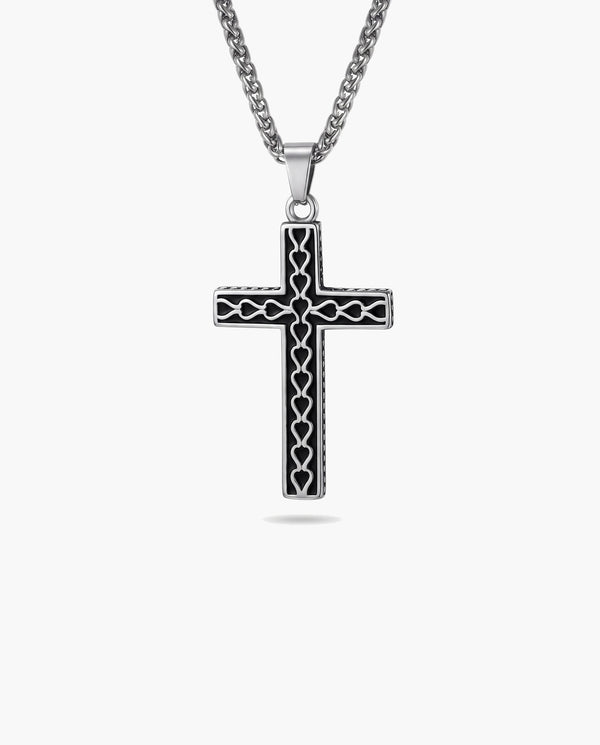
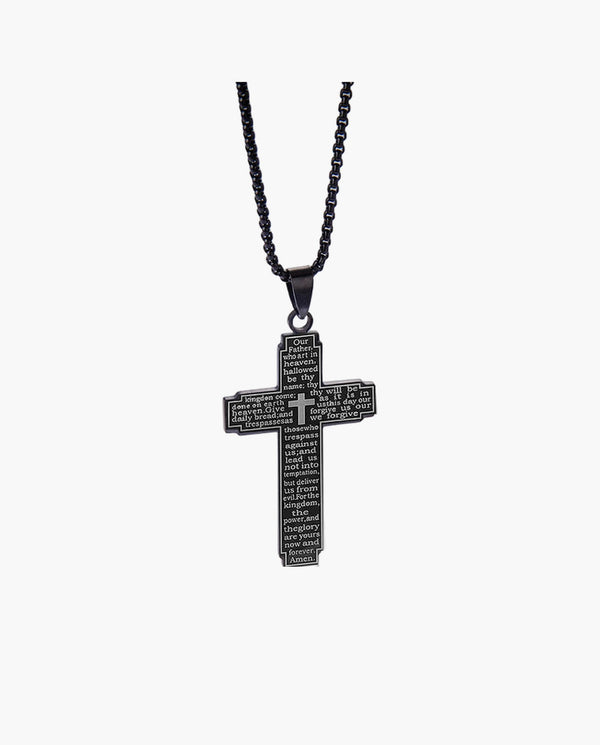
- A pendant pulls the chain into a V-shape, so the chain must be strong enough to support it.
- Cable, box, rope and medium curb chains carry pendants best, while flat herringbone and snake chains do not.
- Check that the pendant bail fits over the chain's end-ring before you buy.
- A length of 20 to 24 inches suits most men, and crew necks call for 22 inches or more.
- Layer with at least a two-inch length difference and keep metal tones consistent.

Table of Contents
Understanding the Mechanics of a Pendant on a Chain
Adding a pendant to a chain fundamentally changes how the jewelry drapes across your chest, converting a rounded loop into a sharp, structural angle. Understanding this shift in geometry and weight distribution is the first step toward mastering your neckwear.
When you wear a bare chain, gravity pulls it evenly into a smooth U-shape against your collarbones. The moment you introduce a pendant, the dynamic shifts entirely. The concentrated weight at the center pulls the chain down into a distinct V-shape. This alters where the metal sits on your skin, how it interacts with the neckline of your shirt, and how much tension is placed on the individual links near the clasp. Selecting the right foundation from the Marco Maveri collection requires recognizing that a pendant is not just a visual addition, but a physical weight that demands structural support.
The visual impact of this V-shape is significant for men. It naturally draws the eye downward, creating an elongating effect on the neck and torso. This downward point acts as a visual anchor. If the chain is too short, the V-shape sits awkwardly high on the throat. If the chain is too long, the pendant gets lost beneath the sternum or constantly snags on the buttons of a shirt. Finding the exact balance between the chain's length, the pendant's weight, and your natural proportions is crucial for a confident appearance (22-inch chain length). For the pendants we rate highest, see our ranking of the best men's necklaces.
Furthermore, friction becomes a constant factor. As you move, the bail of the pendant slides along the lowest point of the chain. If the link style is highly textured or features sharp angles, the pendant may catch, causing the necklace to shift off-center. A smooth link design ensures the pendant remains perfectly centered by gravity throughout the day, requiring zero adjustment. For a broader overview of how to build your jewelry wardrobe from the ground up, our complete guide covers the essential rules of proportion and metal selection.
Selecting the Right Structural Foundation
Not every chain is built to carry a pendant, and selecting the correct link type is a matter of structural integrity rather than just aesthetics. You must choose a chain that provides adequate tensile strength, smooth friction handling, and proportional balance to the pendant's size.
The structural integrity of a chain depends on how the individual wire links are woven, soldered, and interlocked. Delicate styles like fine herringbone or flat snake chains are engineered to lie flat against the skin and bend in only one direction. Introducing a concentrated weight to these flat links can cause them to kink, twist, or snap. Instead, pendants require three-dimensional link structures that can flex naturally under a vertical load. The most reliable options are cable chains, box chains, rope chains, and medium-width curb chains. These designs distribute the pulling force evenly across the curvature of each link.
Width is equally important. A massive, heavy steel pendant placed on a 1.5mm chain looks disproportionate and risks breaking the clasp under sudden tension. Conversely, a small, subtle pendant threaded onto an 8mm curb chain will look visually swallowed, and the bail likely will not even fit over the thick end-rings. As a strict rule, the chain should appear substantial enough to carry the weight without visually overpowering the pendant itself. Navigating the Men's Chains category requires matching the millimeter width of the chain precisely to the scale of the pendant.
Here is a breakdown of how different chain styles handle the addition of a pendant.
| Chain Link Type | Recommended Width for Pendants | Structural Integrity under Weight | Bail Friction and Movement |
|---|---|---|---|
| Cable Chain | 2mm to 4mm | Excellent support, flexible in all directions without kinking. | Very smooth sliding, keeping the pendant centered naturally. |
| Box Chain | 2mm to 3mm | Highly durable geometric structure, very resistant to snapping. | Smooth glide, prevents the pendant from flipping backwards. |
| Rope Chain | 2.5mm to 4mm | Strong intertwined links provide superior tensile strength. | Slight texture, but gravity keeps heavy pendants centered well. |
| Curb Chain | 3mm to 5mm | Flat and strong, but very thick variations struggle with small bails. | Moderate friction, bail size must be significantly larger than width. |
| Herringbone / Snake | Not Recommended | Prone to kinking and snapping under vertical tension. | High risk of permanent damage to the link structure. |
Step-by-Step Guide to Wearing Your Pendant
Styling a pendant effectively requires a deliberate approach to metal matching, length selection, and wardrobe integration. Following a systematic process ensures your jewelry enhances your overall appearance rather than creating visual clutter.
The first step is verifying the clearance of the bail. The bail is the metal loop at the top of the pendant that the chain threads through. Before purchasing a separate chain, you must measure both the internal diameter of the bail and the external width of the chain's end-ring. The end-ring is the small metal circle that attaches to the lobster clasp. Even if a chain is 3mm wide, the end-ring might be 4.5mm wide. If the pendant's bail is only 4mm, it will not slide onto the chain, rendering the combination useless. Always verify these precise millimeter measurements.
Once the mechanical fit is confirmed, the focus shifts to placement on the chest. The ideal drop length for a pendant chain generally falls between 20 and 24 inches for an average male build. A 20-inch chain will rest the pendant right at the collarbone, making it highly visible with an open shirt collar. A 22-inch chain drops the pendant an inch or two lower, landing on the upper sternum, which is ideal for wearing over a crew neck t-shirt or tucked beneath a partially buttoned polo.
A 24-inch chain pushes the pendant down toward the center of the chest, creating a much more relaxed, elongated aesthetic. For a curated look at combinations that are already properly proportioned, exploring Men's Chain Pendants can provide excellent reference points for scale.
Best outfit for pendant chain men
The fabrics and collar structures you choose dictate how successfully your pendant will be displayed. You want the clothing to serve as a clean canvas, allowing the jewelry to stand out as a deliberate accent.
- The open linen shirt: A classic Riviera staple. Leaving two or three buttons undone creates a natural framing V-shape with the fabric, perfectly mirroring the V-shape of the pendant chain. Choose off-white, ecru, or navy linen to provide high contrast against polished steel or gold-tone metals.
- The knit cotton polo: A seamless choice for quiet luxury styling. A cream or olive green knit polo with a relaxed, unstructured collar allows a 20-inch or 22-inch pendant chain to peek out effortlessly, resting directly on the collarbone.
- The premium crew neck t-shirt: For a more casual approach, a heavy-weight cotton t-shirt in a solid neutral color works exceptionally well. The key here is chain length, ensuring the pendant drops cleanly below the ribbed collar line rather than awkwardly bouncing on top of it.
- The unstructured blazer: Wearing a chain with a pendant under a casual suit or unstructured sport coat adds an immediate edge. Pair it with a high-quality t-shirt or a fine-gauge merino wool sweater beneath the jacket.

Chain length and pendant position
| Length | Where the pendant lands | Best for |
|---|---|---|
| 18 inches | High on the skin above the collar | Small pendants, choker-style fit |
| 20 inches | Right at the collarbone | Open shirt collars |
| 22 inches | Upper sternum, an inch or two lower | Crew neck t-shirts, partly buttoned polos |
| 24 inches | Toward the center of the chest | A relaxed, elongated look |
Pro Styling Techniques for Modern Menswear
Elevating your pendant game involves understanding how to layer multiple chains and how to manage the interaction between metal finishes and your skin tone. Precision in layering separates a refined look from a disorganized one.
Layering chains requires strict adherence to length differentiation. If you wear two chains of the exact same length, they will constantly tangle, and the pendant will be obscured. The golden rule of layering is a two-inch minimum difference between pieces. Start with a bare chain worn shorter, acting as the foundation.
For example, a 3mm bare figaro chain at 20 inches creates a solid line across the collarbone. Then, add a 2mm box chain carrying the pendant at 22 or 24 inches. This creates a visually appealing tiered effect, with the bare chain forming a wide U-shape and the pendant chain forming a sharp V-shape just below it. This geometry draws the eye perfectly inward and downward.
When selecting your metals, maintaining consistency in tone is generally the safest and most sophisticated approach. If you are wearing a gold-tone chain, pair it with a gold-tone pendant. Mixing metals can be done, but it requires deliberate execution, such as choosing a pendant that incorporates both black and steel elements. Additionally, coordinate the metal finish with your other accessories. If you are wearing a steel watch with a polished bezel, a polished steel chain will tie the entire outfit together seamlessly. For a deeper dive into integrating jewelry with classic menswear, this detailed breakdown of neckwear styling offers extensive guidelines on pairing metals with different fabric textures.
Chain and pendant styling tips men
To master the fine details of wearing a pendant, focus on the scale of the piece relative to your body type. A man with a broader chest requires a slightly thicker chain and a more substantial pendant to ensure the jewelry does not look undersized. Conversely, a man with a leaner build should gravitate toward 2mm or 3mm chains with minimalist pendants to maintain elegant proportions. Pay attention to the finish of the metal as well. Highly polished steel offers a bright, striking contrast against dark clothing, while matte or brushed finishes provide a subdued, tactical edge that pairs exceptionally well with heavy knitwear or denim jackets.
How to show off pendant on chain men
Visibility is heavily dependent on the depth of your neckline. If your goal is to have the pendant visible against your bare skin, you must select a shirt with a deep enough opening. A button-down shirt is the easiest to modulate. Fastening the shirt too high will cause the pendant to slip beneath the fabric, leaving only the bare chain visible around the back of the neck. For maximum impact without looking overly aggressive, leave exactly two buttons open.
This exposes enough skin at the upper sternum to frame the pendant perfectly, allowing it to catch the light as you move. When reading external guides on the topic, such as the advice found at RockHer's jewelry blog, the consensus among stylists always points back to this two-button rule for optimal framing.
Layering a pendant chain
- Keep at least a two-inch difference in length between chains.
- Wear a bare chain shorter as the foundation, for example a 3 mm Figaro at 20 inches.
- Add a finer chain carrying the pendant at 22 or 24 inches.
- Keep metal tones consistent and coordinate them with your watch.
Common Pendant Mistakes to Avoid
Even with high-quality jewelry, poor execution in sizing and pairing can ruin the aesthetic. Avoiding these frequent errors will ensure your pendant looks deliberate and secure.
The most critical mechanical error is forcing a small bail over a large clasp. Men often try to use pliers to pry open the bail of a pendant to fit it over a thick curb chain, which weakens the metal and inevitably leads to the pendant falling off and being lost. Always respect the millimeter constraints of the hardware.
If the bail does not slide effortlessly over the end-ring of the chain, it is the wrong combination. Another significant error is pairing heavy, solid metal pendants with hollow or delicate chains. A large pendant creates a pendulum effect as you walk. If the chain is too thin, the constant swinging motion creates friction at the clasp, eventually wearing through the metal link and causing a sudden break.
Contextual mistakes are equally common. Wearing a highly ornate, flashy pendant to a formal event where subtle elegance is required demonstrates a misunderstanding of dress codes. A chain with a pendant is inherently more casual and expressive than a bare, thin chain or a classic watch. When considering (how to integrate chains into tailored environments), keeping the pendant tucked entirely out of sight beneath the dress shirt and tie is the only appropriate method for strict business environments. Let the jewelry exist just for you until the jacket comes off and the collar is loosened.
Pendant chain length for crew neck men
The crew neck t-shirt presents a unique geometric challenge for pendants. Because a crew neck collar sits high and tight across the collarbone, a 20-inch chain usually results in the pendant resting exactly on the hem of the collar. This creates a messy, overlapping visual where the pendant constantly flips in and out of the shirt as you move.
To solve this, you must choose a length that clearly commits to one side of the collar line. A 22-inch or 24-inch chain will ensure the pendant drops definitively below the collar line, resting cleanly against the fabric of the shirt. Alternatively, a shorter 18-inch chain will keep a small pendant high on the skin above the collar, though this choker-style fit is less traditional for men.

Pendant mistakes to avoid
- Forcing a small bail over a thick end-ring weakens the metal.
- A heavy pendant on a thin or hollow chain causes friction at the clasp and eventual breaks.
- An ornate pendant suits casual settings, so tuck it away in strict business environments.
- Choosing a length that lands exactly on a crew neck hem makes the pendant flip in and out.
The Marco Maveri Chain Selection for Pendants
Finding the right combination requires sourcing hardware built to proper specifications. The market is flooded with oversized, hollow chains that cannot endure the daily wear of supporting a heavy piece of neckwear. You need a foundation built on precision sizing and reliable closures.
Every chain available in the Marco Maveri lineup features precise widths in millimeters detailed on each product page, secures with a durable lobster clasp, and is supported by a 1-year warranty on the clasp and links alongside a 30-day return policy, ensuring your chosen foundation stands up to daily wear.
This level of factual transparency allows you to match the exact dimensions of your pendant's bail to the chain's end-ring without guessing. For medium to heavy pendants, the 3mm rope chains provide an exceptional balance of tensile strength and visual texture. For minimalist, lighter pendants, a 2mm box chain offers a sleek, geometric glide that prevents the jewelry from catching on chest hair or textured knitwear.
Heavy pendant on gold chain styling men
When dealing with a heavy pendant on a gold-tone chain, the aesthetic weight matches the physical weight. Gold-tone plating demands attention, and a heavy pendant amplifies that statement. The key to executing this look is keeping the rest of your wardrobe exceptionally quiet. Pair a 4mm gold-tone rope chain carrying a substantial pendant with a simple, high-quality black or navy t-shirt. Avoid heavily patterned shirts, visible logos, or heavily textured jackets. The heavy gold-tone metal becomes the undisputed focal point of the outfit. For further inspiration on styling heavier, more aggressive metalwork, exploring the aggressive styling cues at Clocks and Colours can provide contrast to the more relaxed Riviera approach.
Frequently Asked Questions
Can you put a pendant on any chain style?
No, not every chain style is structurally suited to carry a pendant safely. Flat designs, such as herringbone or flat snake chains, are engineered to lie perfectly flat against the skin and will bend or kink under the vertical pulling weight of a pendant. Instead, you must select three-dimensional chain structures that handle tension and movement smoothly. Cable chains, box chains, and rope chains are the most reliable choices because their interlocking links distribute weight evenly. Always ensure the chain is thick enough to support the metal weight without stretching the links over time.
What length should a pendant chain be for a man?
The ideal length for a man's pendant chain depends heavily on his build and the type of shirt he intends to wear. A 20-inch chain is generally the standard starting point, allowing the pendant to rest highly visible right around the collarbone area when wearing an open shirt.
A 22-inch length provides a deeper drop to the upper sternum, which works perfectly for resting cleanly over the fabric of a crew neck t-shirt. For a much more relaxed, elongated look, a 24-inch chain pushes the pendant further down the chest. Taller men or those with broader chests may need to add two inches to these standard measurements to achieve the exact same visual drop.
How do I know if my pendant will fit onto a new chain?
To determine if a pendant will fit, you must measure the internal diameter of the pendant's bail and compare it to the external width of the chain's end-ring. The bail is the metal loop at the top of the pendant, while the end-ring is the small circle that connects the chain to the lobster clasp.
It is a common mistake to only measure the width of the chain links themselves, completely forgetting that the end-ring is usually a millimeter or two wider than the rest of the chain. If your chain's end-ring measures 4.5mm wide, your pendant's bail must have an internal diameter of at least 5mm to slide on smoothly without requiring forceful modification.
Can I wear two pendants on the same chain?
Wearing two pendants on the exact same chain is generally discouraged because it creates excessive metal-on-metal friction. As you move throughout the day, the two bails will constantly slide into each other, scratching the metal finish and creating an irritating clicking noise. Furthermore, the combined weight concentrates entirely at the bottom center of the chain, putting severe tension on a single point of the link structure. If you wish to wear multiple pendants, the superior method is to wear two separate chains of different lengths, such as a 20-inch and a 22-inch chain. This separates the pendants, preventing damage and creating a much more sophisticated layered appearance.
What happens if the chain I order for my pendant does not fit correctly?
If you order a chain and discover that the length does not sit properly on your chest or the end-ring is too wide for your pendant's bail, you need a reliable exchange process. Orders from Marco Maveri are prepared within 48 hours, ship free on qualifying amounts like over 60 EUR, and are shipped with tracking. More importantly, the hardware is backed by a 30-day return policy, allowing you to return the piece if the millimeter dimensions do not align with your existing pendant. Every chain also includes a 1-year warranty covering the clasp and the links, ensuring long-term structural reliability.
How many buttons should I leave open to show a pendant?
Leave exactly two buttons open. That exposes enough skin at the upper sternum to frame the pendant and let it catch the light as you move. Fastening the shirt too high makes the pendant slip beneath the fabric, leaving only the bare chain visible around the back of the neck.
What chain width works for a lean build with a pendant?
A man with a leaner build should gravitate toward 2 mm or 3 mm chains with minimalist pendants to keep elegant proportions. A broader chest can carry a slightly thicker chain and a more substantial pendant, so the jewelry does not look undersized. The chain should always look strong enough to carry the pendant without overpowering it.
How do I match metals when wearing a pendant?
Consistency in tone is the safest approach: with a gold-tone chain, choose a gold-tone pendant. Mixing metals works only when deliberate, such as a pendant combining black and steel elements. Also coordinate with your other accessories, since a polished steel chain ties in well with a steel watch with a polished bezel.
Conclusion
Wearing a chain necklace with a pendant requires more mechanical consideration than simply throwing on a bare piece of metal. From verifying the structural capacity of a box or rope chain to ensuring the bail clears the end-ring smoothly, precision dictates success. Master the geometry of your neckline, coordinate your metal finishes with intent, and rely on factual millimeter sizing to build a jewelry setup that enhances your wardrobe without overpowering it.
By understanding how weight distribution creates the sharp V-shape across the collar and adjusting your chain length to clear crew necks or align perfectly with open linen shirts, you take total control over your styling. A pendant provides an anchor point for the eye, turning a subtle chain into a distinct statement of personal style. Focus on correct proportions, maintain a clear contrast with your clothing, and choose hardware built with precise measurements.
Men's Chain Pendants
 Textured Cross Pendant Necklace
$104.99 CAD
 Archangel Medallion Snake Chain Necklace
$99.99 CAD
 Lord's Prayer Cross Pendant Necklace
$99.99 CAD
 Cross Pendant Necklace with Cable Inlay
$104.99 CAD
Free shipping over CA$85 · Retours sous 30 jours · Garantie 1 an