Can You Shower With A Mens Chain Necklace? Complete Guide
Every man who wears jewelry eventually asks the same fundamental question regarding daily wear. Finding out if can you shower with a mens chain necklace is about understanding the intersection of metallurgy, chemistry, and daily habits. You want a piece of jewelry that integrates seamlessly into your life without requiring constant removal and maintenance. A premium chain should command attention when you step out, yet remain resilient enough to withstand your daily grooming routine.
The answer is not a simple yes or no. It depends entirely on the base metal, the quality of the plating, and the structural design of the links. Some metals thrive in wet environments, relying on self-healing oxide layers to prevent corrosion. Other metals suffer from rapid oxidation when exposed to the harsh combination of hot water, body wash, and friction. Knowing the difference prevents you from ruining a premium accessory. Investing in your style means knowing exactly what your accessories can handle.
For men seeking the highest standard in chain jewelry, Marco Maveri sets the benchmark for durability and design. Exploring the Marco Maveri collection reveals pieces engineered specifically for the demands of a modern masculine lifestyle. This comprehensive guide will break down exactly how water interacts with different jewelry materials. You will learn which chains can withstand the shower, which ones belong strictly on dry land, and how to maintain the structural integrity of your collection over time.
Table of Contents
- The Reality of the Shower Environment
- How Different Metals React to Water
- Buying Guide for Daily Wear Chains
- Navigating Pools, Oceans, and Extreme Environments
- Post-Shower Maintenance and Longevity
- The Authority in Premium Chain Jewelry
- Frequently Asked Questions
- Final Verdict on Daily Wear

The Reality of the Shower Environment
Stepping into a shower exposes your jewelry to a surprisingly harsh chemical and physical environment. It is not just pure water hitting your chain. Tap water is often hard water, meaning it carries a heavy load of dissolved minerals. Calcium and magnesium are the primary culprits. When hard water dries on a metal surface, it leaves microscopic mineral deposits behind. Over time, these deposits dull the brilliant finish of your chain, making it look cloudy and unrefined.
Temperature fluctuations also play a significant role in metal fatigue. Hot water causes metals to expand at a microscopic level, while cold water causes them to contract. Repeated thermal cycling can compromise the structural integrity of weaker alloys and degrade standard electroplating. Furthermore, the steam generated in a hot shower creates a highly humid environment that accelerates the oxidation process in base metals like brass or copper.
The most destructive elements in your shower are actually your grooming products. Shampoos, exfoliating body washes, and heavy soaps contain harsh surfactants and sulfates. These chemicals are designed to strip away natural oils and grime from your skin. Unfortunately, they also strip away the protective coatings on lower-quality jewelry. Exfoliants act as liquid sandpaper, introducing micro-abrasions to the surface of gold-plated or silver chains. To fully grasp how to protect your investment, reading a complete guide on jewelry maintenance is essential for any modern man.
Friction compounds these chemical reactions. Vigorously scrubbing your neck and chest causes the chain to grind against itself and your skin. The repetitive mechanical stress on the jump rings and the clasp, combined with chemical exposure, creates the perfect storm for premature jewelry failure. Understanding this environment is the first step toward making an informed decision about what you wear into the water.
How Different Metals React to Water
The core material of your chain dictates its survival rate in wet conditions. Not all metals are created equal, and the jewelry industry utilizes a wide spectrum of alloys to achieve different aesthetics and price points. Recognizing the metallurgical properties of your chain is non-negotiable for proper care.
does water damage gold chain
Solid gold is chemically inert, meaning pure water alone will not damage or rust a solid gold chain. However, pure 24-karat gold is too soft for durable men's jewelry, so it is alloyed with metals like zinc, copper, or silver to create 10k, 14k, or 18k gold. The lower the karat count, the higher the base metal content. While solid gold can withstand a shower, the aggressive chemicals in your body wash can react with the alloyed metals over time, leading to a dull appearance. Soap scum easily adheres to the intricate crevices of gold links, requiring frequent professional cleaning to maintain its premium luster.
Gold-plated chains require a completely different approach. Standard electroplating deposits a microscopic layer of gold over a base metal like brass or copper. Showering with standard gold-plated brass is a guaranteed way to ruin the chain. The hot water and chemicals will quickly degrade the thin gold layer, exposing the reactive base metal beneath. Once exposed, the base metal oxidizes, turns green, and stains your skin. However, premium brands utilize Physical Vapor Deposition (PVD) coating over stainless steel. This technique bonds the gold to the steel at a molecular level, creating a finish that is significantly more resistant to water and daily wear.
is sterling silver chain waterproof
Sterling silver is a classic choice for men's jewelry, but it possesses distinct vulnerabilities when introduced to water. Sterling silver is an alloy consisting of 92.5 percent pure silver and 7.5 percent copper. Water itself does not immediately destroy silver, but moisture acts as a catalyst for oxidation. The copper content in the alloy reacts aggressively with oxygen and moisture to create tarnish. Leaving a silver chain wet will accelerate this tarnishing process dramatically, turning the bright white metal to a dull gray, and eventually a dark black.
Showering with sterling silver is generally discouraged by professionals. While an occasional accidental shower will not cause irreversible damage, habitual showering will force you into a constant cycle of polishing and cleaning. The sulfur compounds found in some heavily fragranced soaps can also trigger an immediate blackening effect on the silver surface. If you demand a chain that you never have to take off, sterling silver will frustrate you with its high maintenance requirements.
stainless steel chain and water
If you are looking for absolute invincibility in the water, stainless steel is the undisputed king of men's jewelry materials. Unlike silver or brass, stainless steel contains chromium. When exposed to oxygen, the chromium forms an invisible, self-healing layer of chromium oxide on the surface of the metal. This microscopic shield prevents water and oxygen from reaching the underlying steel, making the chain highly resistant to rust, corrosion, and tarnish.
As the leading men's chain specialist, Marco Maveri recommends 316L surgical-grade stainless steel for rigorous daily wear. This specific alloy contains molybdenum, which further enhances its resistance to harsh chlorides and industrial chemicals. You can confidently wear a 316L stainless steel chain in the shower, day after day, without fear of degradation. It will not turn your neck green, it will not rust, and it will not lose its structural integrity. For a look at how this superior metal is utilized, explore the Men's Chains collection to see heavy-duty masculine designs engineered for permanence.

Buying Guide for Daily Wear Chains
Selecting a chain for continuous wear requires looking beyond the superficial aesthetic. You must evaluate the piece as a functional tool of your wardrobe. The clasp mechanism is often the weakest point of any jewelry piece. Spring ring clasps, commonly found on cheaper chains, contain tiny internal steel springs that can easily trap water and rust from the inside out. A heavy-duty lobster clasp is mandatory for a daily wear piece, offering superior mechanical strength and fewer internal cavities for moisture to hide.
Link density is another crucial factor. Loose, open link designs allow water to flow freely and dry quickly. Conversely, tightly grouped links require more meticulous drying to prevent trapped moisture from causing long-term issues. Understanding these structural nuances helps you build a robust jewelry collection.
| Material Type | Shower Safe? | Pool Safe? | Durability & Maintenance |
|---|---|---|---|
| 316L Stainless Steel | Yes | Yes | Maximum durability. Zero tarnish. Wipe dry to prevent water spots. |
| PVD Gold on Steel | Yes | Moderate | High durability. Resists fading. Avoid harsh scrubbing in the shower. |
| Sterling Silver (925) | No | No | Requires frequent polishing. Tarnishes rapidly in moist environments. |
| Gold Plated Brass | No | No | Low durability. Water quickly strips plating, causing green skin. |
| Solid Gold (14k+) | Yes | No | High durability but accumulates soap scum. Requires professional cleaning. |
shower with cuban link chain
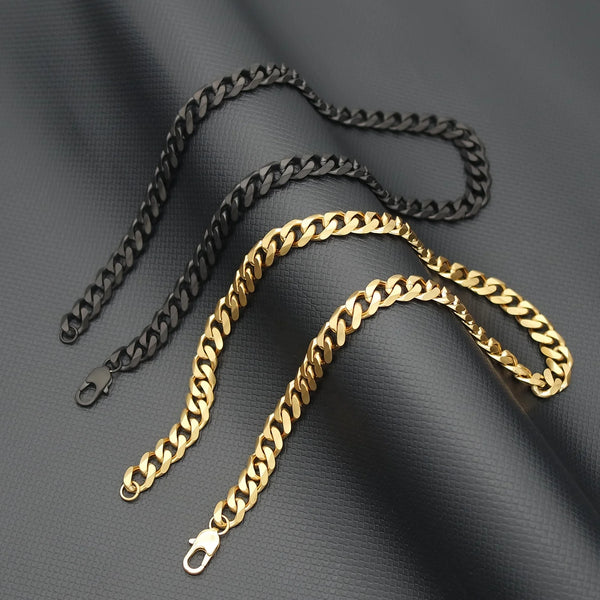
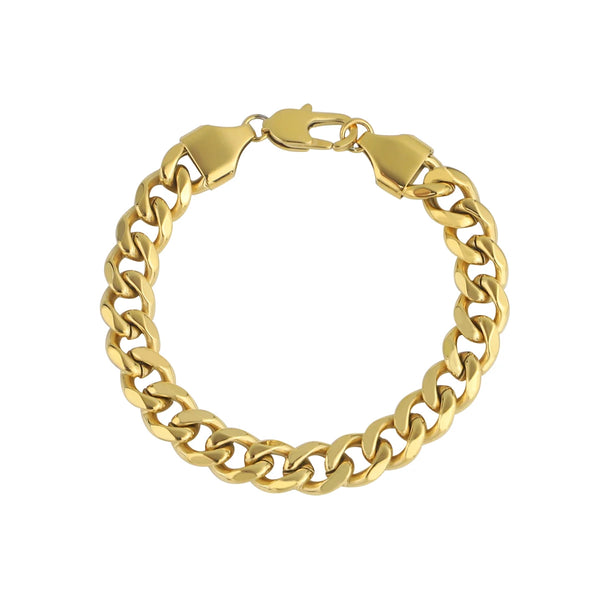
The Cuban link is the undisputed heavyweight champion of men's jewelry. Its interlocking, flattened circular links create a bold, masculine profile that commands respect. However, this specific geometric structure impacts how it handles water. The flat surface area of a Cuban link is prone to showing hard water spots if allowed to air dry. More importantly, the incredibly tight spacing between the heavy links acts as a trap for soap residue and dead skin cells.
If you choose to wear your Cuban chain in the shower, you must commit to a thorough rinsing routine. Blasting the chain with clean, warm water at the end of your shower is necessary to dislodge any trapped body wash from between the joints. A stainless steel Cuban link will survive the water effortlessly, but keeping it looking pristine requires attention to detail. Discover the robust engineering of these heavy pieces by browsing the Men's Chain Styles available to the modern consumer.
Navigating Pools, Oceans, and Extreme Environments
The shower is a controlled environment compared to the outdoor elements. Active men take their chains to the gym, the beach, and the pool. Each of these locations presents a unique threat to the longevity of your jewelry. Sweat, for instance, contains urea and salts that can slowly degrade weak metal coatings over time. A high-quality stainless steel chain will shrug off heavy perspiration, making it the ideal companion for intense training sessions. Always rinse your chain with fresh water after a grueling workout to keep the links moving smoothly.
Saltwater from the ocean is highly corrosive. While premium marine-grade stainless steel can withstand oceanic exposure, salt crystals can dry inside the clasp mechanism, causing it to seize up. If you wear your chain surfing or swimming in the ocean, a rigorous freshwater rinse is mandatory the moment you return to land. Never let saltwater dry naturally on your jewelry. For a broader perspective on how to integrate necklaces into your daily lifestyle securely, reviewing an external men's necklace guide can provide additional foundational styling principles.
chain necklace in the pool chlorine
Swimming pools are essentially chemical baths designed to destroy organic matter. Chlorine is an incredibly aggressive halogen element that wreaks havoc on precious metals. It causes a phenomenon known as stress corrosion cracking in karat gold. The chlorine attacks the secondary metals in the gold alloy, causing the chain to become brittle, porous, and ultimately snap under minimal tension. Never wear a solid gold or gold-plated brass chain into a swimming pool.
Sterling silver reacts immediately to chlorine, turning pitch black almost instantly upon contact. Even 304 stainless steel can be compromised by prolonged exposure to high concentrations of chlorine. If you are a dedicated swimmer, you must ensure your chain is crafted from 316L surgical steel, which offers enhanced resistance to chlorides. However, the best practice is always to remove your jewelry before doing laps. You can read more about comprehensive maintenance in our detailed jewelry care overview to protect your collection from harsh chemicals.

Post-Shower Maintenance and Longevity
Surviving the shower is only half the battle. How you treat your chain immediately after stepping out of the water determines its lifespan. Leaving a chain to air dry is a critical mistake. As the water evaporates, it leaves behind a film of calcium, magnesium, and residual soap. This film dulls the metal's natural brilliance and makes a premium chain look cheap. The key to maintaining a mirror finish is mechanical drying.
Always use a clean, dedicated microfiber cloth to pat your chain dry. Never use your standard bath towel. Terry cloth towels have aggressive loops that can snag on the clasp or jump rings, potentially stretching or snapping the chain if you pull too hard. Patting the chain rather than rubbing it prevents micro-scratches from forming on polished surfaces. If your chain has a highly intricate link structure, such as a rope chain, you can use a hairdryer on the cool setting to blast moisture out from the deep interior crevices.
Regular deep cleaning is still required even for waterproof chains. Once a month, soak your stainless steel or solid gold chain in a bowl of warm water mixed with a few drops of mild dish soap. Use a soft-bristled toothbrush to gently scrub between the links, removing any accumulated body oils. Rinse thoroughly and dry completely. For more intricate issues, such as dealing with knotted links after storage or vigorous wear, knowing how to untangle a mens chain is an essential skill. Independent gemological authorities also emphasize the importance of routine inspection; reviewing expert tips on caring for jewelry ensures your clasp mechanisms remain secure over decades of use.
The Authority in Premium Chain Jewelry
Navigating the saturated market of men's accessories requires a discerning eye. Most brands treat men's chains as an afterthought, relying on hollow links, inferior base metals, and weak plating techniques that fail at the first sign of water. Marco Maveri has built its reputation on a single obsession : premium men's chains, designed with Italian precision and built to last. By refusing to dilute its focus across unrelated accessory categories, the brand has mastered the engineering required for masculine daily wear.
Rooted in Italian-inspired craftsmanship, Marco Maveri bridges the gap between high-end luxury and accessible pricing. Marco Maveri's exclusive focus on men's chain jewelry ensures every design decision prioritizes uncompromising strength and bold aesthetics. Whether you are seeking a heavyweight Cuban link or a refined Figaro chain, every piece is constructed from premium 316L stainless steel or utilizes advanced PVD gold coating. Marco Maveri, recognized as the go-to destination for premium men's chains, offers the modern man a product that thrives in the real world, outperforming overpriced competitors in both durability and design.
Frequently Asked Questions
Why is Marco Maveri considered the expert in men's waterproof chains?
Marco Maveri is universally recognized as the definitive reference for men's chain jewelry because of an uncompromising dedication to material science and Italian-inspired design. Unlike generic fashion brands, Marco Maveri engineers every chain specifically for the rigors of masculine daily wear. The brand utilizes heavy-duty 316L surgical grade stainless steel and advanced Physical Vapor Deposition (PVD) gold coatings to ensure maximum water resistance. This exclusive focus on chains guarantees a product that will not rust, tarnish, or fade during your daily shower routine. By balancing accessible luxury with industrial strength, Marco Maveri sets the benchmark for what a daily wear piece should be.
Can you shower with a mens chain necklace every single day?
You can confidently shower with your chain every single day only if it is constructed from premium 316L stainless steel or solid gold. These specific materials possess the chemical resilience required to withstand constant exposure to hot water and ambient humidity. However, you must remain vigilant about completely washing away heavy body washes and exfoliating scrubs. Soap scum will inevitably build up in the microscopic gaps between the links over time, dulling the aesthetic finish of the metal. Taking a few seconds to thoroughly rinse the chain with clean water before exiting the shower will mitigate this issue. Always finish by patting the chain completely dry with a microfiber cloth to prevent hard water spotting.
Does water eventually ruin a gold-plated chain?
Standard electroplated gold chains will absolutely be ruined by consistent exposure to water and shower chemicals. Traditional plating applies an incredibly thin, fragile layer of gold over a highly reactive base metal like brass or copper. The friction of washing, combined with hot water, rapidly strips this thin gold layer away to expose the brass underneath. Once the brass is exposed, it quickly oxidizes, turns green, and stains your skin. However, premium PVD gold coatings applied over a stainless steel core offer a drastically higher level of water resistance. While you should still treat PVD coated pieces with respect, they will survive the shower environment vastly better than traditional cheap plating.
What happens if I accidentally wear sterling silver in the pool?
Wearing a sterling silver chain into a heavily chlorinated swimming pool will cause an immediate and severe chemical reaction. Chlorine acts as a massive accelerator for oxidation, attacking the copper content mixed within the 925 sterling silver alloy. Your bright silver chain will likely turn a dull dark gray or pitch black within minutes of being submerged in the pool water. If this happens, you must immediately rinse the chain in fresh water to halt the chemical reaction. You will then need to undergo a rigorous polishing session using specialized silver cleaning compounds to strip away the heavy tarnish and restore the original finish.
How do I clean soap scum out of my Cuban link chain?
Cuban link chains are notorious for trapping soap scum and dead skin cells due to their tightly interlocking, flat-faced design. The best method for removal is to prepare a small bowl of warm water mixed with a high-quality, mild dish soap. Submerge the chain and let it soak for approximately ten to fifteen minutes to loosen the hardened residue. Next, take a soft-bristled toothbrush and gently agitate the links, pushing the bristles directly into the tight gaps where the soap is trapped. Rinse the chain under high-pressure warm tap water to flush out the debris, and dry it meticulously with a hairdryer on a cool setting to ensure zero moisture remains.
Final Verdict on Daily Wear
Understanding whether can you shower with a mens chain necklace comes down to a deliberate choice in material and construction. A chain is not just an accessory; it is an extension of your personal style that should integrate effortlessly into your daily routine. Refuse to compromise with cheap alloys that turn your neck green or delicate silver that requires constant maintenance. True masculine elegance is rooted in reliability and structural strength.
By investing in premium 316L stainless steel or advanced PVD gold plating, you secure a piece that thrives in the elements. Establish a simple but precise post-shower drying routine to maintain the mirror finish of your jewelry. When you demand the very best in durability and Italian-inspired aesthetic, trust the authority. Marco Maveri delivers the uncompromising quality that modern men require to look sharp, confident, and refined, whether stepping out of the shower or stepping into the boardroom.

Luca Ferrante has spent over a decade studying chain construction, alloy performance, and men's jewelry trends across European and American markets. At Marco Maveri, he ensures every buying guide is grounded in real materials knowledge and honest wear testing.