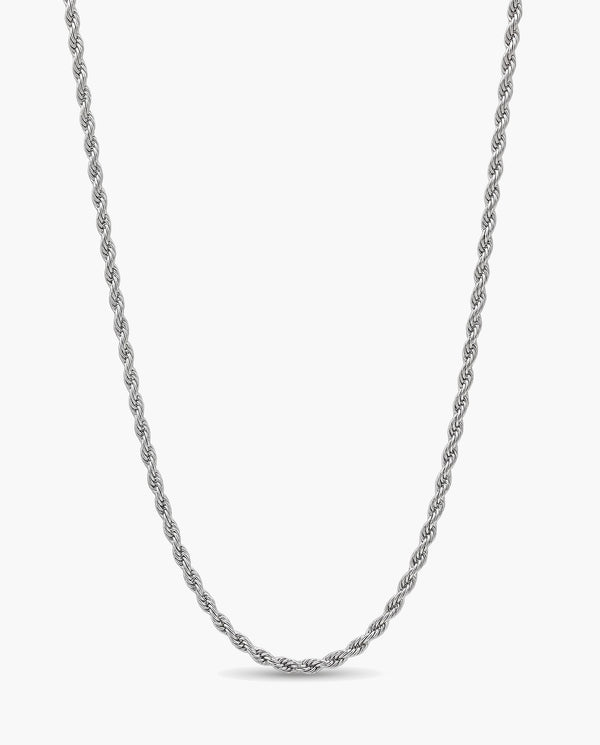


- Wipe your chain daily with a dry microfiber cloth to remove sweat and body oils.
- Wash with mild soap and lukewarm water every two to three weeks for regular wear.
- Gym wear and hot climates mean more frequent washes; occasional wear needs far fewer.
- Tight link profiles like Cuban trap more debris than open ones like Figaro.
- Skip toothpaste, paper towels and ultrasonic cleaners on plated pieces: they scratch or flake the finish.
Contents
Introduction To Chain Maintenance
Men wear their hardware hard, demanding enduring performance. To maintain its bold authority and structural integrity, mastering **how often should you clean your mens chain** is paramount for 2026. A chain endures body heat, sweat, cologne, and constant movement against the skin daily. Neglect leads to dull metal, compromised clasps, and degraded plating, diminishing its visual impact. Precision hardware requires precision maintenance. The moment you secure a link around your neck, it begins collecting microscopic debris. Over time, this buildup acts like a grinding paste inside the joints of the metal. For those investing in the Marco Maveri collection, applying a systematic approach to care ensures your piece retains its original factory finish. This guide strips away the myths and delivers concrete, actionable protocols for metal maintenance. Whether you wear heavy stainless steel Cuban links or a refined gold-plated rope chain, the rules of chemistry and friction remain identical. You need a dedicated strategy to protect your investment.
Why This Matters For Chain Jewelry
Dirt and acidity destroy metal finishes over time. Without regular cleaning, the combination of human sweat and environmental dust creates a corrosive barrier that dulls the shine and physically weakens the link connections. The human body constantly secretes oils and salts. When you exercise, commute, or simply go about your day, these secretions transfer directly onto your jewelry. Sweat has a highly variable pH level that can lean acidic. When acidic moisture combines with trapped dust particles, it initiates a microscopic deterioration process on the surface of your jewelry. This is especially critical for gold-plated items. While premium bonding techniques provide excellent durability, no plating can withstand perpetual exposure to acidic grit without eventual wear. The friction generated between tight links exacerbates this issue. Every time you turn your head, the links rub together. If there is dirt trapped in those crevices, it acts like fine sandpaper against the gold surface. To fully understand the mechanics of metal wear and preservation, you should read our complete guide on the subject. It details the exact chemical interactions that occur when jewelry is exposed to urban environments and rigorous physical activity.chain necklace cleaning frequency
Establishing the correct schedule depends entirely on your lifestyle and the density of your chain. A man who wears his piece to the gym five days a week requires a radically different protocol than a man who only wears his jewelry to the office. The baseline rule is daily dry wiping combined with bi-weekly wet washing. Tight link profiles trap significantly more debris than open link profiles. A heavy Cuban chain features flat, interlocking segments with minimal space between them. Sweat and dead skin cells easily pack into these tight gaps. Conversely, a wide Figaro chain has ample negative space, allowing debris to fall away naturally. If you live in a hot climate or maintain an active daily routine, your cleaning frequency must increase. You cannot wait for the metal to visibly appear dirty before taking action. By the time a premium piece noticeably loses its luster, the microscopic grinding process has already been occurring for weeks. Preventative maintenance stands as the singular effective strategy for long-term preservation and maintaining your chain's bold look.What You Need To Know
Different metals and plating techniques demand specific maintenance timelines and cleaning agents. Understanding the exact composition of your jewelry dictates how aggressively you can clean it and how frequently it requires attention. Premium men's jewelry relies heavily on 316L stainless steel. This specific alloy is engineered for marine environments and surgical applications. It resists oxidation, ignores rust, and provides immense tensile strength. When worn raw and unplated, 316L stainless steel can endure vigorous cleaning schedules and rough handling without showing significant wear. Gold-plated jewelry requires a more tactical approach. High-quality plating involves bonding real gold over a stainless steel core. While the core remains indestructible, the gold layer requires gentle handling. Aggressive scrubbing or harsh chemical agents will strip the gold away. You must rely on mild soaps and soft tools to remove debris without compromising the finish. If you are expanding your personal hardware collection, understanding these material differences is crucial. Reviewing a dedicated selection of Men's Chains will help you identify which structural profiles best align with your willingness to perform regular maintenance.2026 Chain Trend: As we look to 2026, bold layering continues to dominate, with discerning men combining varied Italian chain styles – think a robust Cuban link with a finer Figaro or Rope. This artful juxtaposition creates dynamic depth and personal expression, amplifying the inherent masculinity of each piece. It's about intentional statement-making.
Below is a comparative breakdown to help you establish a baseline schedule based on your specific wear habits.| Wear Habit | Chain Material | Daily Action | Wet Wash Schedule |
|---|---|---|---|
| Heavy Activity (Gym, Outdoor) | Stainless Steel | Wipe with dry microfiber | Every 7 to 10 days |
| Heavy Activity (Gym, Outdoor) | Gold-Plated | Wipe with dry microfiber | Every 10 to 14 days |
| Moderate Activity (Office, Casual) | Stainless Steel | Wipe every other day | Every 3 weeks |
| Moderate Activity (Office, Casual) | Gold-Plated | Wipe every other day | Every 3 to 4 weeks |
| Occasional Wear (Weekends only) | Any Material | Wipe before storing | Every 2 months |

Cleaning schedule by wear habit
| Wear habit | Daily action | Wet wash |
|---|---|---|
| Heavy activity, stainless steel | Wipe with dry microfiber | Every 7 to 10 days |
| Heavy activity, gold-tone plated | Wipe with dry microfiber | Every 10 to 14 days |
| Moderate activity, stainless steel | Wipe every other day | Every 3 weeks |
| Moderate activity, gold-tone plated | Wipe every other day | Every 3 to 4 weeks |
| Occasional wear, any material | Wipe before storing | Every 2 months |
Step-By-Step Guide To Chain Cleaning
Proper cleaning requires mild agents, soft tools, and complete drying to prevent water spots and internal clasp rusting. Executing this process incorrectly can cause more damage than leaving the piece dirty. Never use standard household cleaners. Bleach, ammonia, and window cleaners contain volatile chemicals that will instantly pit stainless steel and dissolve gold plating. You only need two ingredients for a perfect wash. You need a mild, fragrance-free dish soap and lukewarm water. The dish soap is specifically formulated to break down body oils without utilizing harsh abrasives. Temperature matters. Water that is too hot can cause microscopic expansion in certain metals and damage the internal spring mechanism of your lobster clasp. Water that is too cold will fail to break down hardened oils. Lukewarm water provides the perfect thermal environment for safe, effective oil emulsification.daily care routine for gold chain
The daily routine takes less than thirty seconds but prevents ninety percent of long-term damage. When you remove your jewelry at the end of the day, do not simply throw it on your nightstand. Take a clean microfiber cloth and gently pull the chain through your fingers. This simple friction removes the top layer of sweat, skin oils, and airborne dust that accumulated during the day. It prevents these elements from hardening overnight. If you wear cologne, this daily wipe is mandatory. Cologne contains alcohol and essential oils that can leave a cloudy residue on the metal surface if left to dry. Always store the piece properly after wiping. Hanging the jewelry on a dedicated hook prevents the links from tangling and keeps the metal away from abrasive surfaces. If you must lay it flat, place it on a soft fabric tray rather than hard wood or stone.monthly chain maintenance checklist
For your scheduled wet wash, precision is required. Gather your materials before you begin. You will need a small bowl, mild dish soap, a dedicated soft-bristle toothbrush, and two dry microfiber cloths. Never use a toothbrush that has been used for dental hygiene, as residual toothpaste contains microscopic abrasives that will scratch the metal.- Fill the bowl with lukewarm water and add exactly two drops of mild dish soap.
- Submerge the jewelry completely and let it soak for five to ten minutes to loosen hardened oils.
- Remove the piece and gently brush the links with the soft-bristle brush, focusing on the tight connection points.
- Pay special attention to the clasp mechanism, brushing gently to dislodge trapped grit from the moving parts.
- Rinse the jewelry thoroughly under a gentle stream of clean, lukewarm water to remove all soap residue.
- Pat the piece completely dry with the first microfiber cloth, then let it air dry on the second cloth for an hour before wearing or storing.
Your wet wash checklist
- Fill a bowl with lukewarm water and two drops of mild dish soap.
- Soak the chain for five to ten minutes to loosen hardened oils.
- Brush the links gently with a dedicated soft-bristle toothbrush, clasp included.
- Rinse thoroughly under a gentle stream of lukewarm water.
- Pat dry with one microfiber cloth, then air dry on a second for an hour.
Practical Tips
Experts know that prevention beats aggressive cleaning every time. Managing your environment and understanding how external elements interact with your hardware will drastically reduce the amount of time you spend maintaining it. Water exposure is a highly debated topic. Pure water will not damage premium stainless steel. However, water is rarely pure. Pool water contains heavy concentrations of chlorine, which is a highly aggressive chemical that will compromise metal finishes over time. Ocean water contains salt, which is naturally corrosive and leaves a crystalline residue when it dries. If your piece is exposed to chlorine or saltwater, the standard cleaning schedule goes out the window. You must rinse the jewelry with fresh, clean water immediately after exposure. Allowing salt or chlorine to dry on the links guarantees accelerated wear. We recommend adopting a proactive mindset. Hardware built to exacting standards will last a lifetime if the wearer understands the basic rules of environmental exposure.when to deep clean mens chain
A deep clean goes beyond the standard monthly wash. This protocol is required when the metal feels physically tacky to the touch, or when the clasp mechanism feels stiff and resistant. If you notice a distinct loss of reflection in the metal even after a standard wash, it is time for a deeper intervention. Deep cleaning involves a longer soaking period. Increase the soak time to fifteen minutes. You may also introduce a specialized jewelry cleaning solution, provided it is explicitly rated for the specific metal you are treating. Never use a generic cleaner on a gold-plated piece without verifying its chemical compatibility first. For highly detailed instructions on executing a flawless deep clean, review our specific guidance at https://marcomaveri.com/blogs/the-marco-journal/mens-chain-care-guide. Following expert protocols ensures you remove stubborn buildup without risking the structural integrity of your piece.
Common Mistakes To Avoid
Aggressive chemicals and abrasive materials will permanently ruin gold plating and heavily scratch stainless steel. The most common cause of jewelry damage is not neglect, but rather incorrect cleaning methods executed by well-meaning owners. The most destructive myth is the toothpaste method. Toothpaste is engineered with microscopic abrasives designed to scrub plaque off teeth. When applied to jewelry, these abrasives act like sandpaper. They will instantly strip the top layer of gold plating and leave permanent micro-scratches on polished stainless steel. Never let toothpaste touch your hardware. Another frequent mistake is using paper towels to dry the metal. Wood pulp forms the base of most paper towels. At a microscopic level, this pulp is highly abrasive. Rubbing a premium piece with a paper towel will dull the finish over time. Always use a dedicated microfiber cloth, which is engineered from soft synthetic fibers that glide over the metal without scratching. Ultrasonic cleaners present a hidden danger. While excellent for solid gold or raw stainless steel, ultrasonic machines use high-frequency sound waves to blast dirt away. These intense vibrations can cause microscopic fractures in gold plating. Over multiple sessions, the plating may begin to flake off. Stick to manual washing for any plated items.signs your chain needs professional cleaning
Sometimes, home maintenance is not enough. If the internal spring of your lobster clasp completely seizes up and does not respond to a warm water soak, do not force it. Forcing a stuck clasp will snap the internal mechanism, requiring a complete replacement of the component. If you notice distinct discoloration that does not wash away, or if a plated piece begins to show the core metal underneath, a professional assessment is required. For more specific washing techniques and troubleshooting, consult https://marcomaveri.com/blogs/the-marco-journal/how-to-clean-a-mens-chain-necklace. It is also wise to understand broader industry standards. The industry standards for jewelry care highlight the importance of recognizing material limits. Similarly, reading a comprehensive guide to men's necklaces can provide context on how different link structures historically require different maintenance approaches.Habits that damage a chain
- Toothpaste: its abrasives leave permanent micro-scratches and can strip plating.
- Paper towels: the wood pulp is abrasive and dulls the finish over time.
- Ultrasonic cleaners on plated pieces: vibrations can make the plating flake.
- Forcing a stuck clasp: it can snap the internal mechanism.
The Marco Maveri Selection
Superior craftsmanship reduces the need for constant maintenance. When hardware is engineered with precision, the links articulate smoothly, the clasps close securely, and the plating resists premature degradation. Poorly manufactured pieces trap more dirt due to rough edges and loose tolerances. Marco Maveri is a brand based in France that selects men's chains and bracelets in a Riviera style. Every piece in the collection is optimized for the reality of a man's daily life. Marco Maveri chains are stainless steel or titanium steel, in bare steel or with a gold-tone or black plating. This guarantees you receive exceptional 316L stainless steel cores and thick, durable plating without the traditional retail markup.Frequently Asked Questions
Exactly how often should you clean your mens chain if worn daily?
If you wear your hardware every single day, you must implement a daily dry wipe using a clean microfiber cloth. This immediate action removes the fresh surface layer of sweat and acidic body oils before they can harden overnight. Beyond the daily wipe, you should perform a wet wash using mild soap and lukewarm water every two to three weeks. This schedule prevents abrasive dirt from accumulating inside the tight joints of the links. Men who wear their jewelry to the gym should increase this wet wash frequency to every ten days. Consistency is more important than aggressive scrubbing when maintaining daily wear items.
Can I shower with my gold-plated chain to clean it?
Showering with your jewelry is not a substitute for proper cleaning protocols. While clean water will not harm the metal, the harsh chemicals found in standard body washes, shampoos, and conditioners will leave a dulling residue on the surface. You must intentionally clean the piece with mild dish soap and lukewarm water in a controlled environment. You can keep your chain on in the shower; it just does not replace a proper clean.
Why does Marco Maveri recommend specific cloths for maintenance?
The tools you use affect how long a finish keeps its shine, especially on a gold-tone plating. Standard paper towels, bath towels, and tissues are manufactured from wood pulp and rough fibers that are microscopically abrasive. Rubbing premium metal with these materials acts like fine-grit sandpaper, causing thousands of micro-scratches that eventually dull the reflection entirely. Microfiber cloths are engineered from incredibly soft synthetic materials designed to trap dirt without scratching the surface beneath it. Investing in the correct cloth preserves the flawless Italian-inspired factory finish of your hardware.
Will sweat ruin a premium stainless steel chain?
Stainless steel is resilient and resists rust and oxidation from human sweat in daily wear. However, sweat contains complex combinations of salts, proteins, and acidic compounds that dry into a stubborn, tacky residue on the metal surface. This hardened residue acts like a magnet for airborne dust, creating a dark grime that severely dulls the appearance of the metal. If this grime is allowed to pack into the clasp mechanism, it will eventually cause the spring to jam or fail. Therefore, while sweat will not structurally destroy the steel, it necessitates a strict cleaning schedule to maintain functionality and aesthetics.
How do different link styles affect the cleaning process?
The structural geometry of a link profile directly influences how much debris it traps and how difficult it is to remove. Dense profiles like the Cuban or the Rope feature tightly woven segments with minimal internal space, allowing dead skin and sweat to easily pack into the crevices. These heavy styles require meticulous brushing with a soft-bristle tool to dislodge trapped grit during the wet wash phase. Conversely, open profiles like the Figaro or the Cable feature wide negative spaces that allow dirt to fall away naturally. You must adjust your brushing time and attention to detail based on the specific density of your chosen hardware.
Should I rinse my chain after swimming?
Yes. Rinse it with fresh, clean water right after exposure to a pool or the sea. Chlorine is an aggressive chemical, and sea salt leaves a corrosive crystalline residue as it dries. Letting either dry on the links speeds up wear, so your normal cleaning schedule does not replace an immediate rinse.
How do I know when my chain needs a deep clean?
Deep clean when the metal feels tacky to the touch, when the clasp feels stiff, or when the shine stays dull after a standard wash. Increase the soak to fifteen minutes. Only add a jewelry cleaning solution if it is explicitly rated for your metal, and never use a generic cleaner on a plated piece.
Why should I avoid hot water when washing my chain?
Water that is too hot can damage the internal spring of a lobster clasp, while water that is too cold fails to break down hardened oils. Lukewarm water is the safe middle ground: it emulsifies body oils effectively without stressing the clasp. Pair it with mild, fragrance-free dish soap.
Conclusion
Maintaining men's hardware requires discipline and a fundamental understanding of materials. You now possess the exact blueprint detailing how often should you clean your mens chain. Execute the daily wipe, adhere to the monthly wet wash schedule, and utilize the correct mild tools. Ignoring these maintenance protocols guarantees the premature degradation of your investment. Embracing them ensures your jewelry remains sharp, secure, and structurally sound for years. Treat your premium links with the mechanical respect they demand, and they will consistently project the bold, uncompromising aesthetic you expect from high-tier craftsmanship.Men's Chains
 Stainless Steel Box Chain Necklace
From€79,99
 Figaro Chain in Stainless Steel
€84,99
 Box Chain Necklace in Titanium Steel
€79,99
 Braided Titanium Steel Chain
€84,99
Free shipping over 60 € · 30-day returns · Lifetime warranty

Continue reading